
Top Home-Based Business Ideas in Canada (And How to Get Started)
More Canadians than ever are turning their homes into business headquarters—and for good reason. Running a business from home offers unmatched flexibility, low overhead, and the ability to launch with limited capital. Whether you’re freelancing, baking, tutoring, or building a product line, home-based entrepreneurship has become a powerful way to take control of your income and work-life balance.
According to Statistics Canada, over 2.5 million Canadians were self-employed in 2023, and a large portion of that figure includes home-based businesses. While the autonomy of being your own boss is a major draw, navigating the steps—from permits to promotion—can be overwhelming.
This guide will walk you through everything you need to get your home-based business started, from choosing a profitable idea to understanding zoning laws, marketing, and funding.
Key Takeaways
- Canada offers hundreds of viable home business ideas—online, creative, service-based, and more.
- Regulatory steps like permits and business registration vary by province but are essential.
- Low startup costs make home businesses accessible—especially with good planning.
- Local funding, training, and online marketing tools can accelerate success.
Why Home-Based Businesses Are Booming in Canada
Driven by post-pandemic lifestyle changes, rapid digital transformation, and a growing desire for flexibility, home-based entrepreneurship is gaining serious momentum across Canada. As remote work became the norm—rising from just 7% in 2016 to over 20% of Canadians working from home in 2023—many took it a step further by launching their own businesses. With no need for costly retail space and the freedom to set their own schedules, home-based businesses offer both practical and personal advantages.
While starting a business still takes planning and persistence, today’s digital tools and government resources make it more manageable than ever before.

Top Home-Based Business Ideas in Canada
When it comes to starting a business from home, most Canadian entrepreneurs gravitate toward one of two paths: digital services you can offer entirely online, or hands-on, locally-focused businesses that draw on your skills. Whether you’re tech-savvy or creatively inclined, there’s a home-based business model that fits.
Online & Virtual Services
Digital services are among the easiest and most affordable home businesses to launch for Canadians. They require minimal overhead, can be done from anywhere with a reliable internet connection, and scale well as you grow your client base.
Virtual Assistant
Virtual assistants help businesses stay organized and efficient. With more small businesses outsourcing admin work, the demand continues to grow. You can offer scheduling, email management, customer service, or niche support like bookkeeping or marketing coordination. According to Ontario Business Central, entry-level VAs will start making anywhere from your provincial minimum wage – $25/hour, but as your experience increases, you can look to charge anywhere from $50/hour or more.
Why it’s appealing: Offers flexibility and the ability to specialize in administrative or industry-specific tasks.
Freelance Writing
Freelance writing is one of the most versatile home-based businesses you can launch in Canada. It offers complete control over your schedule and the freedom to work with a variety of clients—from blogs and startups to major corporations and government agencies. If you enjoy researching, storytelling, or simplifying complex topics, there’s likely a writing niche that fits your skills. Whether you’re writing speeches, technical manuals, or social media copy, the pay scale varies widely based on the format, industry, and your experience level.
Here’s a look at the average hourly rates across different types of freelance writing:
| Writing Type | Hourly Rate ($/hour) |
|---|---|
| Speech Writing | $60 to $130 |
| Teaching/Instruction | $25 to $80 |
| Online/Website Writing | $60 to $100 |
| Government Writing | $50 to $125 |
| Newsletters | $50 to $80 |
| Advertising Material | $75 to $150 |
| Advertorials | $40 to $100 |
| Corporate/Business Writing | $50 to $125 |
Reference: Canada Freelance Guild
Why it’s appealing: Great for strong communicators with subject-matter expertise who enjoy working independently.
Social Media Management
Many small businesses need help managing their social channels. If you’re creative and savvy with platforms like Instagram and TikTok, this is a scalable business with strong income potential. Freelancers in Canada typically charge between $25 to $100 per hour for social media management, with monthly packages ranging from $500 to $2,000, depending on the scope of services, according to data from Jeff Social. With more experience and higher-profile clients, there’s also potential to earn significantly more, especially if you offer strategy, paid ad management, or content production in addition to day-to-day posting.
Why it’s appealing: Fast-growing demand, creative flexibility, and potential for recurring clients.
Bookkeeping
Bookkeepers are always in demand. This business offers stable, repeat work and allows for remote client relationships once trust is built—ideal for those who are detail-oriented and comfortable with numbers. According to the Canadian Job Bank, bookkeepers in Canada typically charge between $18.46 and $42.05 per hour. This wide range reflects varying levels of experience, certification, and specialization, so if you build strong relationships and perhaps expand into additional services like financial reporting or bookkeeping software support, you can command higher rates and build a reliable, home-based bookkeeping business.
Why it’s appealing: Recession-resistant, reliable work with a path to certification.
Online Tutoring
Online tutoring lets educators and bilingual professionals share their expertise in subjects like math, science, ESL, or standardized test prep. It’s flexible and in high demand among parents and adult learners. According to Tutor Lyft, the starting rate for tutoring through an agency is typically around $45 per hour, but this can rise to $80 or more depending on the subject, tutor qualifications, and delivery method. One-on-one sessions and in-person formats generally cost more than group or online tutoring, making virtual tutoring a particularly attractive and accessible business model for home-based educators.
Why it’s appealing: Makes use of existing teaching skills and offers a meaningful way to help others.
Graphic designer
Running a graphic design business from home gives you the freedom to be creative while keeping startup costs low. Whether you focus on branding, logos, packaging, web graphics, or social media content, there’s no shortage of demand. Most designers work remotely with clients, using digital tools to collaborate and deliver polished, professional work. In Canada, freelance designers typically earn between $19 and $50 per hour, with higher rates for specialized or complex projects. Building a strong online portfolio and actively reaching out to clients are both essential to growing a successful design business.
Why it’s appealing: High demand across industries, flexible hours, scalable workload, and a great fit for creative professionals who want to work independently.
Creative & Specialized Services
These businesses are rooted in hands-on skills or local service needs. They may require more upfront investment or licensing, but can be incredibly rewarding and profitable, especially when tailored to your community’s demand.
Esthetician/Beauty Services
From lash extensions and brow waxing to facials and spray tanning, beauty services are consistently in demand—and can be successfully run from a well-equipped home studio. Certified estheticians often specialize in specific services, which helps keep overhead costs low while building a loyal, returning client base. In Canada, estheticians typically earn around $18–$29 per hour, though rates can vary significantly depending on the service. For example, full lash sets may range from $80–$200, while brow services generally start around $15–$25. Many beauty professionals operate by appointment only, offering greater flexibility and control over their schedules.
Why it’s appealing: Low startup costs, high potential for repeat business, and the ability to specialize and grow within a thriving self-care market.
Hair Stylist
Hair styling is one of the most resilient personal service businesses in Canada, thanks to consistent demand and loyal clientele. Independent stylists operating from a home studio can avoid the overhead costs of renting a chair or commercial space, keeping more of their earnings. Most Canadian hairstylists begin with an hourly wage of $18/hour and with time can make more than $30 per hour, depending on experience and services offered. Many also develop long-term relationships with clients, leading to steady repeat visits and a reliable stream of income.
Why it’s appealing: Steady demand, strong potential for client loyalty, and a creative career path with room to grow.
Photography
Running a photography business from a home studio offers creative freedom and the flexibility to specialize in areas like portraits, branding, product shoots, or family sessions. While working from home can save significantly on studio rent, it’s still important to budget for insurance, equipment, and online marketing. In Canada, beginner photographers typically earn between $25–$75 per hour, while experienced professionals can charge anywhere from $250–$500 per hour, depending on the shoot type and expertise. Many home-based photographers also boost income by offering packages and seasonal mini sessions, which help generate steady, repeat business.
Why it’s appealing: Flexible scheduling, creative expression, and the potential to grow through referrals and repeat clients.
Therapy
Licensed therapists and counsellors can operate a professional practice from a dedicated home office, provided they meet provincial regulations and privacy standards. With increased demand for mental health services in Canada, therapists can charge between $90–$250 per session. Offering virtual appointments also expands reach and accessibility, especially for clients in rural areas.
Why it’s appealing: Meaningful, purpose-driven work with the flexibility of remote or in-home appointments and consistent client demand.
Dog Grooming
A home-based dog grooming setup can be a rewarding business for animal lovers. With minimal space and a few specialized tools, groomers can provide services like haircuts, bathing, nail trimming, and de-shedding treatments right from home. In Canada, grooming fees typically range from $50 to $100+ per dog depending on the breed, size, and complexity of services. Many pet owners become repeat clients, booking regular appointments and helping to create a stable, predictable income stream.
Why it’s appealing: A niche with loyal customers, repeat business, and the ability to scale with recurring appointments.
Pet Sitting
For animal lovers, pet sitting is a rewarding and flexible business you can run from home or by visiting clients. Whether offering overnight stays or day care, pet sitting is always in demand, especially in urban areas. In Canada, rates typically range from $17.50 –$28 per hour, depending on services and location.
Why it’s appealing: Low overhead, flexible scheduling, and the chance to build a loyal base of furry clients and their owners.
Daycare/Childcare
If you love working with children, running a daycare from home can be both personally fulfilling and financially stable. It’s also a business that meets a major need in communities across Canada, where affordable childcare is in high demand.
There are two primary models: licensed and unlicensed home daycare. Most provinces allow unlicensed childcare providers to care for a small number of children (often 2–5, depending on the province) without needing a license. This option has lower startup costs and fewer regulatory hurdles, making it more accessible for those just starting out.
Licensed home daycares, on the other hand, must meet stricter requirements around space, safety standards, staffing ratios, and daily operations. While becoming licensed can make your daycare more attractive to families—especially since many provincial childcare subsidies only apply to regulated care—it often requires a greater upfront investment. In some cases, this might mean renovating or purchasing a home to meet compliance standards, bringing it closer in cost and complexity to a commercial daycare setup.
In Canada, childcare providers typically charge between $20 and $58 per day, though this varies by region, child age, and the services offered.
Personal Trainer (Home or Virtual)
With the growing demand for fitness at home, certified personal trainers can run sessions from a home gym or virtually via video. Specializing in areas like strength training, mobility, or weight loss can help carve out a niche. Hourly wages in Canada typically start around $18/hour and extend beyond $30/hour, depending on experience and session type.
Why it’s appealing: Low equipment investment, flexible schedule, and the ability to build strong client relationships.
Private Pilates or Yoga Instructor
Teaching private yoga or Pilates sessions from a home studio—or virtually—is a calming and fulfilling career path for wellness-focused entrepreneurs. Instructors often offer one-on-one programs or small group packages, with rates typically ranging from $20–$120 per session, depending on experience and format. While session fees vary, the average take-home wage for Canadian instructors falls between $17 and $32 per hour. There’s also room to grow by expanding into workshops, retreats, or corporate wellness offerings.
Why it’s appealing: Combines wellness with entrepreneurship, builds community, and allows for creative program design in your own space.
Sustainable Product Maker
Eco-conscious products like reusable bags, soy candles, beeswax wraps, or natural skincare are growing in popularity as more consumers seek sustainable alternatives to everyday items. If you’re crafty or already making these products as a hobby, turning your passion into a home-based business could be a natural next step. Profit margins in this space can vary widely depending on the type of product, material costs, and whether you sell directly to consumers or through retailers or online marketplaces. Handmade, small-batch goods with premium branding often command higher prices, while simpler or bulk items may rely on volume sales. Regardless, this niche allows for creativity, flexibility, and alignment with environmentally conscious values.
Why it’s appealing: Aligns with environmental values and allows for creative expression.
Profitable Mobile Business Ideas with a Home Base
Running a business from home doesn’t always mean staying home. Many Canadian entrepreneurs operate mobile businesses—where your home serves as your headquarters, but the work takes you out into the community. This model lets you keep overhead low, skip the storefront, and serve clients directly at their homes, job sites, or events. Whether you’re a creative professional, service provider, or consultant, there are countless ways to turn your skills into income with a flexible, home-based setup and a mobile service approach.
Home Cleaning
Home and office cleaning services are in steady demand, making this a reliable and scalable home-based business option. You can start solo with minimal equipment, then gradually expand by hiring staff or offering specialized services such as deep cleans, move-in/move-out packages, or post-renovation cleanup. One of the biggest advantages of this industry is flexibility—you set your hours, choose your clients, and determine your service area. Rates vary across the country, but here’s a general breakdown of average hourly cleaning rates by province:
| Province | Average Hourly Rate |
|---|---|
| Ontario | $25 – $35 |
| British Columbia | $20 – $30 |
| Alberta | $22 – $32 |
| Quebec | $18 – $28 |
| Nova Scotia | $20 – $30 |
Reference: No More Chores
Note: These rates are approximate and can vary based on factors such as property size, the number of rooms, and specific services provided. It’s always a good idea to check local rates to stay competitive.
Why it’s appealing: High demand, easy to start, and scalable with repeat clients.
Mobile Notary
Mobile notaries in Canada verify legal documents for individuals and businesses, often by travelling directly to clients’ homes or offices. Fees typically range from $50 to $199, including base travel costs and standard notarization charges. It’s a low-overhead, flexible business model ideal for those with a professional demeanour and attention to detail. To operate legally, you must be commissioned as a notary public or commissioner for oaths through your province or territory—requirements usually include being at least 18 years old, a Canadian citizen or permanent resident, and completing any necessary applications, training, or certifications.
Why it’s appealing: Professional, flexible, and needed across industries.
Personal Chef
If you love cooking, offering in-home meal prep or catering services is a fantastic business option. Busy families and individuals with dietary needs often seek out personal chefs, and the best part is, you don’t need formal culinary training to get started. Many chefs begin as passionate home cooks. The role offers flexibility, no late-night restaurant hours, and the chance to work closely with clients to create customized meals that fit their tastes and dietary needs. It’s a fulfilling business that blends creativity with personal connection.
Why it’s appealing: Great for food lovers who enjoy working one-on-one with clients and customizing meals.
Dog Walker
Dog walking is a simple, scalable business that combines exercise, fresh air, and reliable income. Popular in busy neighbourhoods and condo-dense cities, dog walkers can earn $15–$30 per walk (more for group outings or longer sessions). Apps like Rover or Pawshake can help you get started, but many successful walkers build direct relationships with clients.
Why it’s appealing: Great for active entrepreneurs, requires minimal startup costs, and offers consistent demand.
Event Planner
Whether it’s weddings, corporate functions, or milestone celebrations, event planning is an ideal business for detail-oriented, organized individuals. You can run most aspects of the business from home, managing timelines, vendor coordination, and budgets remotely. Canadian event planners typically charge between $25–$100+ per hour, depending on experience, or they may opt for a flat rate based on 10–15% of the total event budget. This flexible pricing structure allows planners to tailor services to a range of client needs while maintaining profitability.
Why it’s appealing: Offers creative freedom, the chance to work on exciting events, and high earning potential for experienced planners.
Property Manager
Managing rental properties on behalf of landlords—especially in vacation or long-term rental markets—can be a lucrative home-based business. Responsibilities may include tenant communication, maintenance coordination, and rent collection. In Canada, property managers can earn a flat fee or a percentage of monthly rental income (often 6–12%).
Why it’s appealing: Reliable monthly income, scalable with multiple properties, and ideal for those with admin or real estate experience.

Permits, Licenses & Business Structure: What You Need to Know
Before you mix your first batch of candles or log into your client dashboard, it’s important to ensure your business meets local regulations. Home-based businesses in Canada are subject to a range of requirements—some set federally, others provincially or municipally. Understanding these early can save you legal and financial headaches down the road.
Home-Based Business Permits & Licenses
Even a small, home-run operation needs to be properly licensed. Depending on your industry and location, this could include zoning permissions, health inspections, or operating licenses.
- Zoning: Your municipality may require a “home occupation” permit.
- Food/Childcare: Health inspections and safety standards may apply.
- Helpful Link: Ontario Ministry of Health Home-Based Food Business Guide
- National Info: Canada.ca Business Licensing
Check with your local municipality and province to determine what types of licenses or permits are required for your specific business type. Most home businesses need at least basic registration, and depending on what you offer—especially food, childcare, or personal services—you may need health inspections or special permissions to operate out of your home.
Choosing the Right Structure (Sole Proprietor vs Incorporation)
Your business structure affects everything from taxes and liability to how you register your business.
- Sole Proprietor: Easier and less expensive to set up; ideal for single-person businesses. Offers simplicity but no liability protection.
- Incorporation: Offers liability protection and potential tax advantages. It may involve more paperwork and ongoing compliance, but adds credibility and separates personal from business assets.
Tip: Check your province’s business registration page for detailed guidance on how to register and what’s required for each structure.
Costs, Profitability & Scaling Tips
Starting a business from home is often one of the most cost-effective ways to launch, particularly if you’re offering a digital or service-based solution. Many entrepreneurs can get started with relatively little investment, focusing instead on skills, time, and smart planning.
What to Expect
Startup Costs:
Home-based businesses typically require fewer resources than traditional brick-and-mortar ventures. Online services often have the lowest overhead, while creative or hands-on businesses may involve additional costs such as equipment, supplies, or regulatory compliance.
Time to Profit:
While some home-based businesses may start generating revenue early on, most small businesses take 2 to 3 years to become truly profitable. Long-term success often builds over time, with many businesses hitting their stride after 7 to 10 years. This timeline underscores the importance of patience and persistence in the early stages.
Risk Factors:
It’s important to be aware that around 20% of small businesses fail within their first year. Choosing a business model that aligns with your skills and lifestyle—and starting with a clear plan—can help you avoid common pitfalls.
Scaling Tips
- Reinvest early revenue into tools, automation, or marketing efforts to increase efficiency.
- Consider outsourcing or bringing in support (like a virtual assistant) as demand grows.
- Focus on customer feedback to evolve your offerings and stay competitive.
Some businesses—such as bookkeeping, freelance writing, or virtual assistance—can scale quickly with relatively low costs. Others, like product-based ventures or daycare services, may take longer to grow but can offer reliable, long-term returns once established.
Marketing Your Home-Based Business
Even with the best service or product, you’ll need a solid marketing plan to attract customers. Fortunately, there are several low-cost strategies that work well for home businesses.
Social Media Marketing
Use platforms like Instagram, Facebook, LinkedIn, and TikTok to promote your business visually, build trust, and connect with your audience. Tools like Canva or Later can help you design and schedule posts.
Local SEO (Search Engine Optimization)
Register your business with Google Business Profile to appear in local search results. Include keywords like “home-based bookkeeping in Toronto” or “custom candles in Vancouver” on your website to boost search visibility.
Community Boards & Groups
- Post on Facebook Marketplace and local buy/sell groups.
- Put up flyers in coffee shops or libraries.
- Join local entrepreneur groups or business associations.
Virtual Networking
Attend webinars, join Slack or Discord communities, and build referral partnerships with other small businesses.
Helpful Marketing Tools
No matter what kind of home-based business you run, smart marketing can make all the difference. Thankfully, you don’t need a big budget to promote your services effectively. There are plenty of free or low-cost tools available that can help you manage everything from design and email marketing to task planning and invoicing. Here are some of the most popular options to get you started:
- Canva – For creating marketing graphics.
- Mailchimp – For email campaigns.
- Google Business Profile – For local search visibility.
- Wave – For invoicing and financial tracking.
- Trello/Notion – For business planning and task management.
Resources & Support for Canadian Entrepreneurs
You don’t have to build your home business alone. Across Canada, entrepreneurs can tap into an impressive range of free and subsidized support programs—from funding to mentorship.
Government of Canada (Canada.ca)
The federal government offers a central hub of resources to help Canadians plan, register, and grow their businesses. Whether you’re searching for funding or just figuring out where to begin, Canada.ca is a great place to start.
- Business Benefits Finder
- Guides for business registration, taxes, and structure
- Federal funding and grants directory
Business Development Bank of Canada (BDC)
BDC is Canada’s only bank devoted exclusively to entrepreneurs. From financing to expert advice, it offers tools designed to help home-based and small business owners thrive at every stage of growth.
- Offers financing and small business loans
- Free business planning tools and calculators
- Online courses and advisory services
➡️ Explore BDC’s small business tools
Small Business Centres (By Province)
Across Canada, provincial and municipal governments run small business centres that offer free services tailored to local entrepreneurs. These centres provide everything from licensing support to one-on-one mentorship.
- Ontario’s Small Business Enterprise Centres (SBECs) offer free mentorship, workshops, and help with licensing.
- Similar services are available in provinces like B.C., Alberta, and Nova Scotia.
FedDev Ontario & Other Regional Development Agencies
Regional development agencies are focused on boosting local economies by supporting small business innovation and expansion. Whether you’re in Ontario, the Prairies, or the North, there’s likely a regional agency ready to help you grow.
- FedDev Ontario provides grants and regional economic development support.
- Regional agencies across Canada (e.g., PrairiesCan, ACOA, CanNor) provide funding and business growth services.
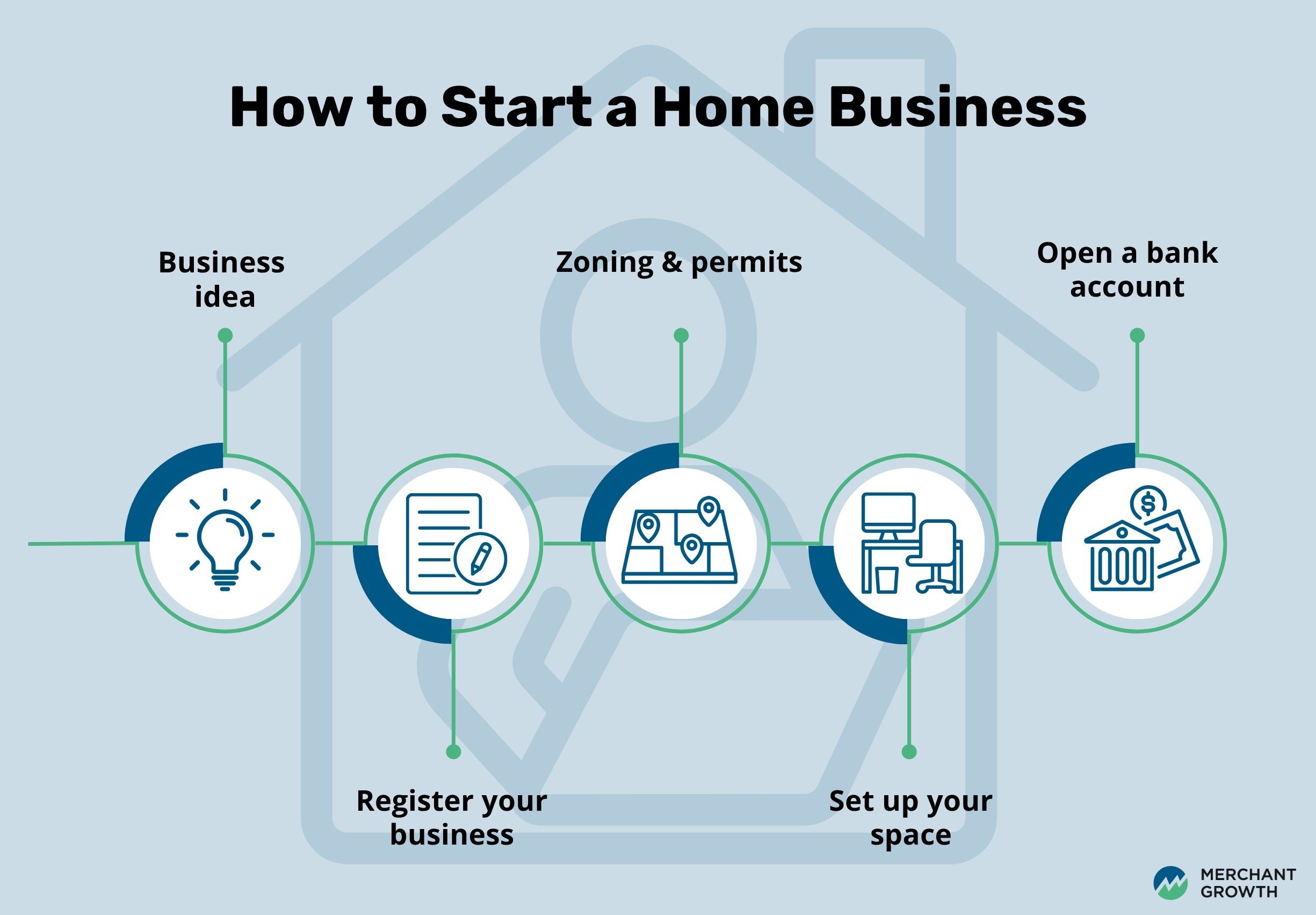
How to Start a Home-Based Business in Canada
Starting small is smart, but getting the foundations right is key. Here’s how to go from idea to launch.
1. Choose a Business Idea That Fits Your Lifestyle & Skills
Select something you enjoy and are skilled at. Consider your available time, home space, and startup budget. Start part-time if you’re unsure, and validate demand before investing heavily.
2. Register Your Business
Each province has its own registration portal. You’ll need to check name availability, decide on a legal structure, and file any required documents.
3. Check Local Zoning & Permit Requirements
Some municipalities limit certain business types (like daycare or food sales) from being run at home. You may need a “home occupation” permit or specific zoning approval.
4. Set Up Your Business Space
Designate a specific area of your home for your business. Whether it’s a home office, kitchen, or garage workshop, make sure it’s safe, productive, and aligned with legal requirements (especially for childcare or food services).
5. Open a Business Bank Account & Track Finances
Separate your business finances from personal funds from day one. Use simple accounting software (like Wave, FreshBooks, or QuickBooks) to stay organized and ready for tax time.
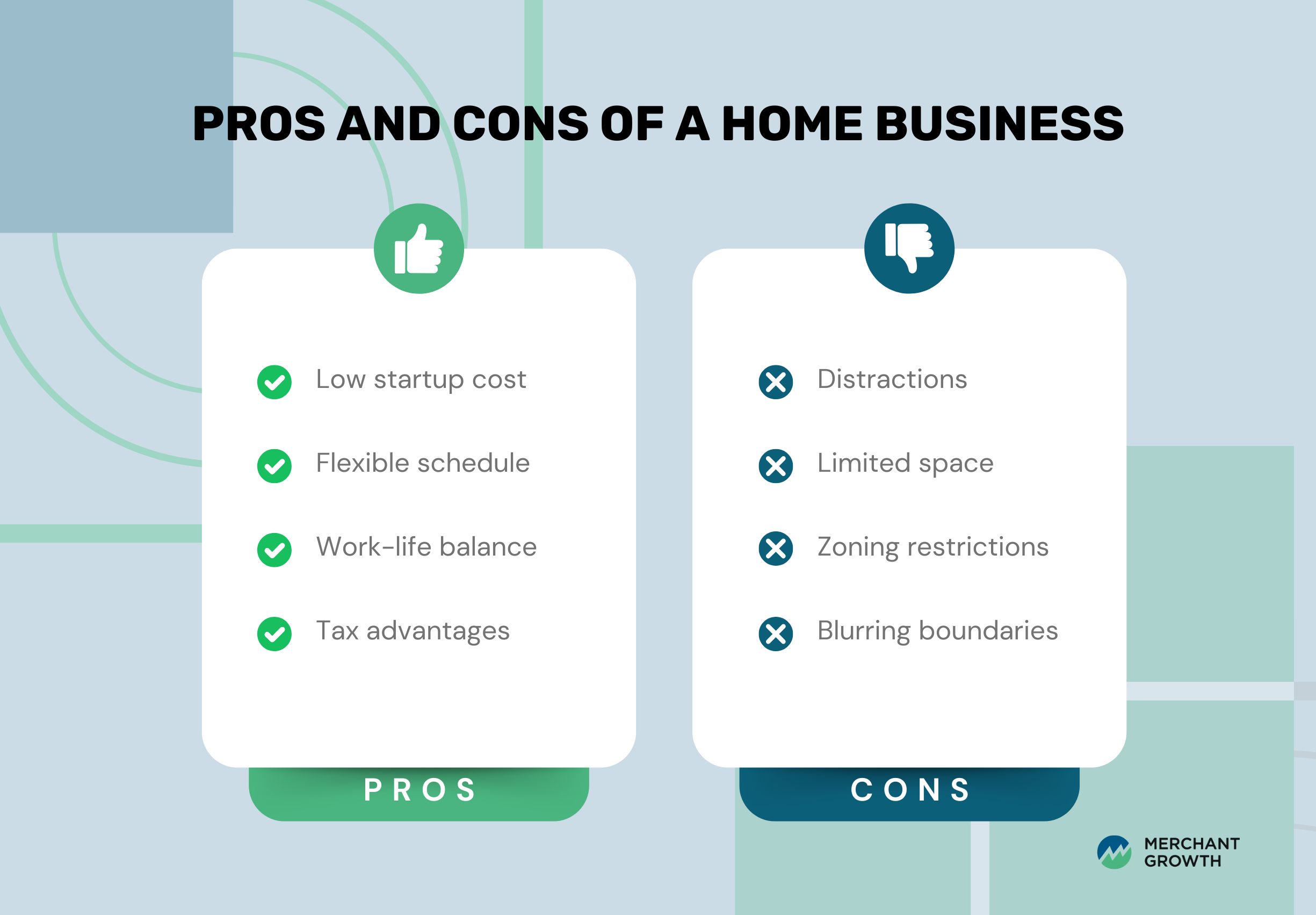
Pros and Cons of Starting a Home-Based Business
Running a business from home can offer significant rewards, but it also comes with its own set of challenges. Whether you’re considering the move or are already in the planning stages, it’s important to weigh both sides to determine if a home-based model fits your goals, lifestyle, and work environment.
| Pros | Cons |
|---|---|
| Low Startup Costs: Avoid expensive leases and overhead. | Distractions: Family or roommates can disrupt focus. |
| Flexible Schedule: Work around family, caregiving, or other responsibilities. | Limited Space: Physical storage and work areas may be constrained. |
| Work-Life Balance: No commute and more control over your environment. | Zoning Restrictions: Certain business types may not be allowed. |
| Tax Advantages: Home office deductions, business expenses, and equipment write-offs. | Blurring Boundaries: It’s easy to let work spill into personal time. |
From Home to Growth: How Financing Can Support Your Next Step
While many home-based businesses are intentionally lean at the start, growth often brings new opportunities—and new expenses. Expanding your operations, investing in better equipment, or even hiring support can require more cash than your business has on hand. That’s where strategic financing comes in.
Why Financing Matters for Home Businesses
Even the most profitable home-based businesses encounter moments when access to capital is crucial:
- Unexpected expenses can stall progress and delay growth plans.
- Equipment upgrades or staffing often require an upfront investment.
- Seasonal income fluctuations can make it difficult to manage cash flow year-round.
Working capital gives you the flexibility to take on opportunities without sacrificing stability or dipping into personal savings.
How Merchant Growth Can Help
Merchant Growth specializes in small business financing that’s built to scale with your needs. Whether you’re looking to smooth over seasonal dips or fund a big next step, we offer options that align with your goals:
- Term Financing: Ideal for one-time investments like purchasing equipment or launching a new product.
- Lines of Credit: A flexible way to manage cash flow, cover payroll, or invest in marketing.
Once your business generates consistent revenue, our financing solutions can help you grow confidently, on your terms.
Ready to grow your business from home and beyond? Explore our small business financing options.