How to Create a Business Invoice in Canada: A Guide for Small Business Owners
“Do I really need to send an invoice?”
It’s a question many Canadian small business owners, freelancers, and entrepreneurs ask—especially when they’re just starting out. But invoicing isn’t just a formality. It’s a vital part of running a professional business. Whether you’re managing a side hustle or scaling your operations, a well-crafted invoice does more than request payment—it supports your cash flow, builds client trust, and keeps you compliant with the CRA.
Yet, many entrepreneurs aren’t sure how to create one, or whether they even need a registered business to issue it. The good news? It’s easier than you think. This guide walks you through what a business invoice is, how to build one from scratch, the tools you can use, and how to stay compliant in Canada.
Key Takeaways
- A business invoice is a formal document requesting payment that includes key information like services, costs, and payment terms.
- You can issue invoices even if you’re not incorporated—but tax rules still apply.
- Good invoices are clear, consistent, and include all necessary identifiers for you and your clients.
- Free templates and invoicing tools can help you streamline the process and get paid faster.
- Invoices must be stored for at least 6 years under CRA rules.

What Is a Business Invoice?
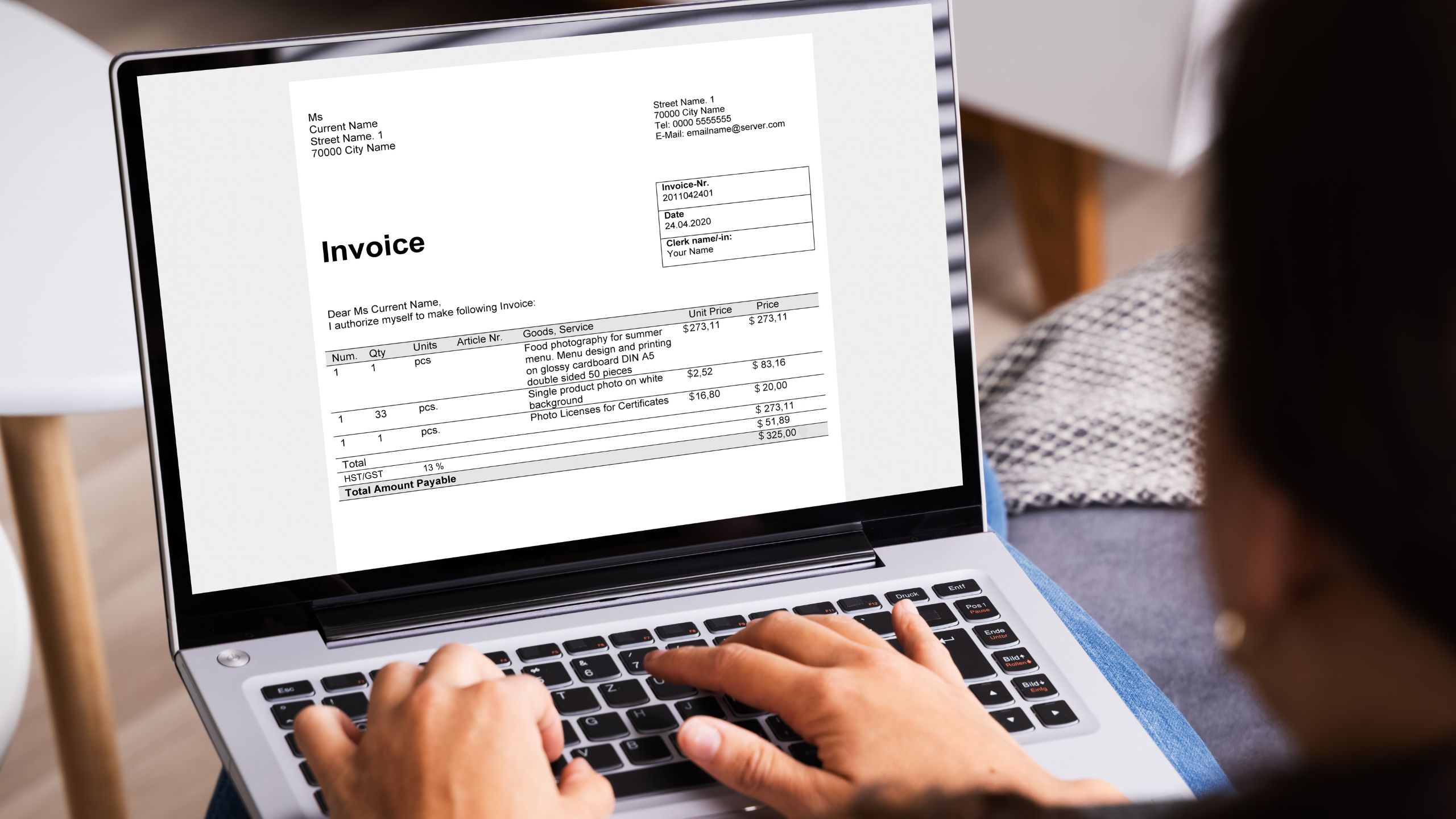
A business invoice is a formal document that requests payment for goods delivered, or services provided. It isn’t the same as a receipt (which confirms payment) or a quote (which outlines an estimate). Instead, it outlines the actual amount a client owes after a sale has been completed or a service has been performed. A well-crafted invoice also helps keep your records organized, making it easier to track outstanding payments and stay on top of your financial responsibilities.

Why Invoicing Matters for Small Business Owners
Invoicing isn’t just about getting paid—it’s about running a professional, credible business. A good invoice helps you:
- Track your income and expenses
- Manage your taxes with proper records
- Protect yourself in case of payment disputes
- Keep cash flow steady and predictable
Inconsistent or unclear invoicing often leads to delays, confusion, and missed payments. A little structure goes a long way.
Can You Send an Invoice Without a Registered Business?
Yes—many freelancers, sole proprietors, or part-time business owners can invoice clients without being formally incorporated. However, it’s important to:
- Use your legal name or registered trade name
- Clearly list your services and payment details
- Report your income properly to the CRA
- Include your GST/HST number if you’re registered for tax
You only need to register your business federally or provincially if your operations reach a certain revenue threshold or if you’re collecting sales tax.
What to Include in a Business Invoice
An invoice isn’t just a bill—it’s a reflection of your business. A clear, well-structured invoice helps you get paid faster, avoid misunderstandings, and stay on track with CRA requirements. From tax breakdowns to payment terms, every detail matters. Here’s what to include to make sure your invoice is both professional and effective.

1. Your Name or Business Name and Contact Information
Start strong by clearly stating who the invoice is coming from. If you’re a sole proprietor, include your full name; otherwise, use your registered business name. Add your phone number, email, and mailing address, and if you’ve got a CRA-issued business number (BN), be sure to include that too. It builds trust and keeps things professional.
2. Client’s Name and Billing Address
Make sure your client’s legal name and billing address are accurate. It helps avoid confusion on their end, especially if they’re reconciling with a purchase order or internal records.
3. Invoice Number and Issue Date
Give your invoice a unique number and date. Sequential numbering keeps your records neat, and the issue date sets the clock for your payment terms. It’s the little details that keep everything running smoothly.
4. Description of Goods or Services Provided
This is where clarity matters. Outline exactly what you delivered—whether it’s a set of design revisions or five boxes of inventory. Include hours, tasks, or milestones for services, and item names and quantities for products.
5. Unit Prices, Hours, or Quantities
Break it down for transparency. Instead of lump sums, show the math: “5 hours of consulting at $100/hour” or “10 units at $15 each.” It helps clients understand the value and reduces back-and-forth.
6. Subtotal, Applicable Taxes, and Total Amount Due
Start with your subtotal, then add the appropriate taxes:
- GST: 5% across Canada.
- HST: Combines GST and PST in provinces like Ontario (13%) and Nova Scotia (15%).
- PST/QST: Charged separately in places like BC, Saskatchewan, and Quebec.
Make sure the final total includes everything and is clearly labelled so there’s no guesswork.
7. Payment Terms
Start by listing the subtotal—this is the total cost of all goods or services before any taxes are added. It’s the sum of your line items (like hours worked or products sold).
Then, calculate and add the appropriate taxes:
- GST: 5% applied federally across Canada.
- HST: A combined tax (GST + PST) used in provinces like Ontario (13%) and Nova Scotia (15%).
- PST/QST: Separate provincial taxes charged in BC, Saskatchewan, and Quebec.
Make sure the final total (including taxes) is clearly displayed, so your client knows exactly what they owe—no surprises.
8. Preferred Payment Method
Make it as easy as possible for your clients to pay you—everyone appreciates a smooth process. E-transfers are a popular choice in Canada, but you can also offer options like:
- Bank transfers
- Cheques
- Credit cards
- PayPal
- Invoicing platforms like Wave or Square
Be sure to include any necessary account details or links so they don’t have to go searching. A little clarity here goes a long way in getting paid on time.

How to Create a Business Invoice (With and Without Software)
You don’t need to be an accountant—or even particularly tech-savvy—to create a professional invoice. Whether you prefer to do things manually or use software to streamline the process, there are plenty of tools out there to help Canadian small business owners get paid efficiently and look polished doing it.
DIY Tools:
If you’re sending just a handful of invoices each month, creating them manually can be a simple and cost-effective option. These tools give you full control over formatting and customization without requiring a subscription or app download.
Some easy-to-use options include:
Just make sure to save your invoices as PDFs and keep copies for your records.
Invoicing Software:
As your business grows—or if you want to save time and avoid calculation errors—it might be worth upgrading to invoicing software. These platforms can automate tax calculations, recurring invoices, payment reminders, and even integrate with accounting systems.
Popular invoicing platforms in Canada include:
Most offer free trials, so you can test a few before committing.

Download a Free Canadian Business Invoice Template
Need a quick, professional way to bill clients? Our free Merchant Growth invoice template for Word is built specifically for Canadian small businesses—CRA-compliant, easy to use, and fully customizable.
Your template includes:
- A section for your logo and business contact info
- GST/HST tax fields
- Editable line items and total calculations
- Clear space for payment due dates and instructions
Download your free invoice template and simplify your invoicing today ➡️ Download Here
Benefits of Using Invoice Templates and Tools
Templates and tools don’t just save you time—they create consistency. From automatically calculating taxes to keeping your branding sharp, they reduce the chance of errors and help you send polished, professional invoices every time. They also make life easier behind the scenes, with features that simplify follow-ups, track outstanding payments, and keep your records organized when tax season rolls around.
Helpful features to look for:
- Built-in GST/HST/PST fields
- Custom branding options
- Automatic reminders and invoice tracking
- Multiple payment method integrations
- Easy exports for accounting or CRA audits
The right invoicing tools make it easier to stay organized and maintain clear records—something that really matters when it comes to staying compliant with CRA requirements.
How Long to Keep Business Invoices in Canada
According to the CRA, Canadian businesses must keep all invoices and receipts for at least 6 years from the end of the tax year they relate to. Digital copies are acceptable—just make sure they’re backed up and clearly organized.
Tip: Name your files by year and invoice number (e.g., 2024_INV001) and store them in folders sorted by month or client.

Tips for Streamlining Invoicing
Invoicing can feel like one of those tasks you keep pushing down your to-do list—but it doesn’t have to be a source of stress. With a few small changes to how you manage and send invoices, you can reduce hassle, avoid awkward payment delays, and keep your finances in check with less effort.
Send Invoices Immediately After Completing Work
Get in the habit of invoicing right after a job is done. It’s a simple way to stay organized and set clear expectations with your clients while the work is still top of mind.
Automate Follow-Ups for Overdue Payments
No one enjoys chasing unpaid invoices. Automating your reminders helps you stay on top of collections without constant check-ins or uncomfortable conversations.
Offer Multiple Payment Methods
Give your clients choices—e-transfer, credit card, PayPal, or Stripe. It reduces friction and makes it easier for them to pay you promptly.
Use Recurring Invoices for Retainer Clients
Working with the same client each month? Recurring invoices mean less manual effort and fewer things slipping through the cracks.
Reconcile Your Invoices Monthly
Make it a habit to review your invoices and payments regularly. It helps catch any missing funds, ensures your records are accurate, and keeps you financially grounded.
Building good invoicing habits improves your financial clarity and strengthens client relationships.

How to Handle Overdue Payments Professionally
Even with great clients, late payments happen. Whether it’s an oversight or a cash flow issue on their end, it’s important to approach overdue invoices with professionalism and clarity. Here’s how to handle the situation without damaging the relationship:
1. Double-Check the Invoice Details
Before reaching out, review your invoice to ensure everything is correct—due date, amounts, contact info, and payment instructions. A quick check can prevent an awkward conversation if the error is on your end.
2. Send a Friendly Reminder
If the invoice is just a few days overdue, send a polite follow-up email. Keep it light but clear:
Subject: Friendly Reminder: Invoice #1023
Hi [Client Name], I hope all is well! Just a quick note that Invoice #1023 was due on [date]. Please let me know if you need me to resend it or if there are any questions. Thanks so much!
3. Follow Up More Firmly (If needed)
If there’s still no response, follow up again—this time with a more direct tone. Reattach the invoice and restate the payment terms and the new expected due date.
4. Offer Payment Options
Sometimes clients delay because they’re struggling with cash flow. Offering installment options or extended deadlines may help them settle the balance and preserve the working relationship.
5. Charge Late Fees (If You’ve Stated Them)
If your invoice terms included a late fee policy, now’s the time to apply it. Be transparent and fair and always reference the original agreement.
6. Know When to Escalate
If repeated attempts go unanswered, you may need to escalate—either by pausing services, involving a collections agency, or pursuing legal advice. Hopefully, it won’t come to this, but knowing your rights can help you feel more confident.
How Merchant Growth Can Help You Invest in the Right Tools
Need help affording the software or tools that streamline your invoicing and admin? Merchant Growth offers flexible term financing that can help you invest in your business infrastructure without putting pressure on your cash flow.
Whether you need funds to cover upfront costs, improve operations, or scale your services, our financing solutions are built with Canadian small businesses in mind.