

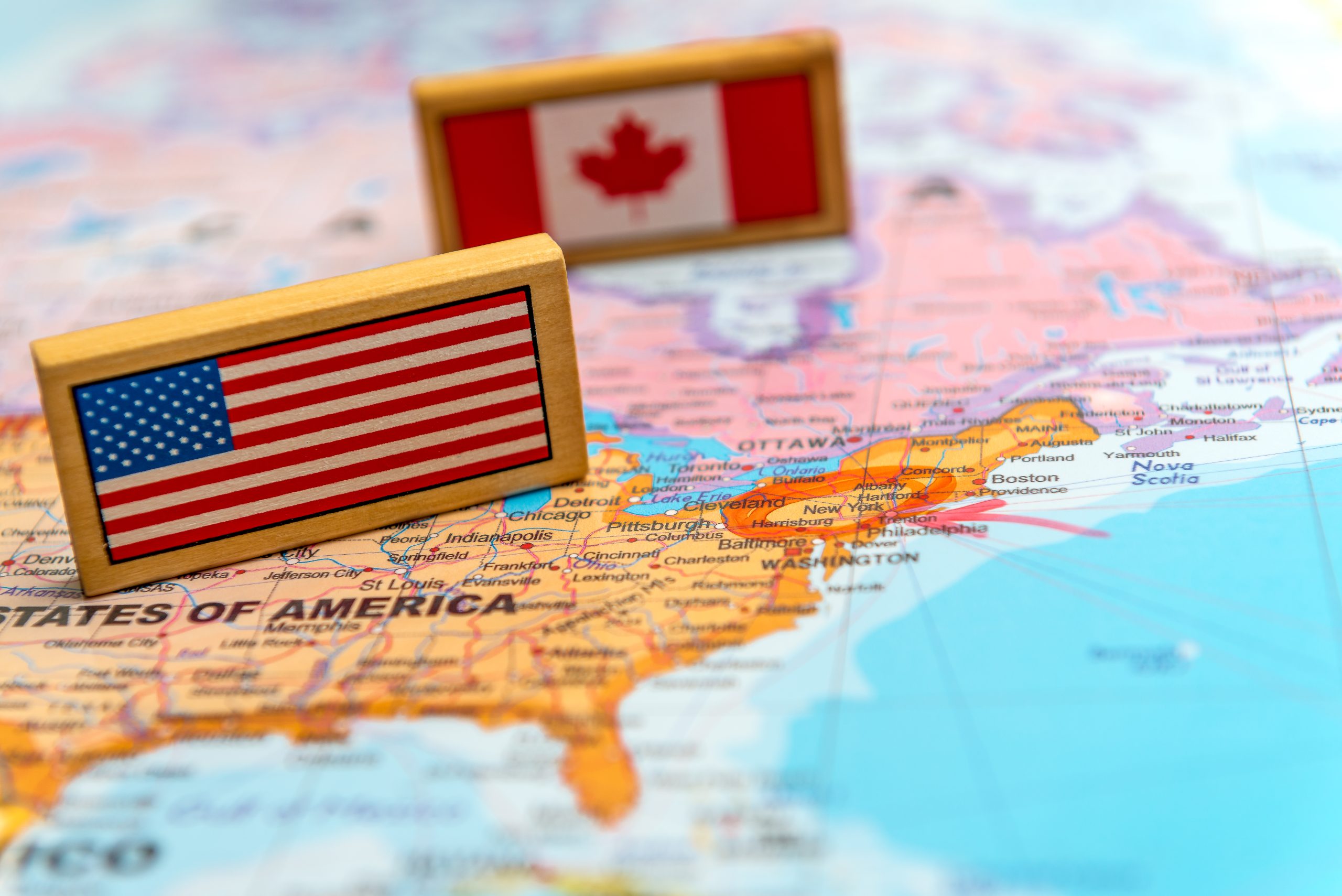
VANCOUVER, BC, February 2, 2026 — The relationship between Canada and the U.S. looks drastically different now compared to previous years, with February 1st representing one year since the trade war began across both countries. As cross-border tariffs and ‘buy local’ messaging moulded supply chains and consumer trends in 2025, many Canadian small businesses are recalibrating how they procure from, and sell to, the U.S.
More than half (57%) of Canadian small businesses with U.S.-related activity (sales, customers, trade) 12 months ago have since scaled it back, while about 1 in 10 (14%) have cut ties with the U.S. altogether, according to The Trade War survey by Merchant Growth, Canada’s online financing and growth solution for small businesses.
“When tariffs, other trade-related fees, and supply chain conditions change quickly, businesses can’t plan with confidence; they can only react and adapt. This shows resilience, but it comes at the expense of their long-term growth,” says David Gens, Founder and CEO of Merchant Growth. “If we want small businesses to keep hiring and growing, they need steady support, from government policy that brings meaningful relief and from consumers who choose to back the businesses that employ their communities.”
The survey captured insights from 103 small businesses across Canada, offering direct visibility into the challenges they faced since the trade war began and how they’re adapting. The data reveals how much small businesses have spent on additional trade-related fees, how many have avoided passing cost hikes to customers, their hiring plans in the coming months, and their plans to manage cash flow.
Tariffs are squeezing margins for many small businesses
Over the past 12 months, about 2 in 5 (41%) of small businesses said tariffs and trade disruptions decreased their profit margin.
That pressure is also reflected in out-of-pocket costs tied to cross-border challenges, as roughly 1 in 3 (32%) said they spent between $5,000 to $25,000 in additional costs due to tariffs and trade-related fees in the past year.
Nearly 1 in 10 businesses (9%) reported substantial added costs, saying they spent between $26,000 to $100,000.
“We foresee increasing disruption due to tariffs, the potential loss of the USMCA, and uncertainty with respect to customer spending,” says a retail business owner from Manitoba.
Businesses absorb more of the price hike shocks
When it comes to passing higher costs through to customers, data suggests that many small businesses prioritized protecting consumer demand in the past 12 months.
Nearly half (48%) said they didn’t pass any of the added costs to customers since the trade war began last year.While many small businesses have absorbed cost increases so far, 43% plan to raise prices over the next 6 months to manage their cash flow.
“I’m hoping to control costs and modify prices to reflect increasing costs, prioritize raises for staff, but profit margin has to increase,” says a dental business owner from Nova Scotia.
Cost-cutting measures, improving cash flow top businesses’ priorities for 2026
As businesses plan for the next phase of the trade war environment, respondents point to a mix of near-term cost discipline, selective price action, and cash flow tools.
Over the next 6 months, small businesses say they plan to pursue the following measures:
- 55% will cut discretionary spending (marketing, travel, subscriptions)
- 45% will take on additional financing (loan, line of credit, merchant cash advance)
- 43% will raise prices
- 29% will negotiate payment terms with suppliers
- 25% will reduce inventory levels
- 19% will pause hiring
- 19% will use personal savings or personal credit
“I expect my business to grow in 2026 through new supplier relationships, private-label opportunities, and increased customer interest in premium, authentic food products. Growth is being driven by product differentiation, local support for small businesses, and stronger seasonal sales. Strategic purchasing and focused marketing will support continued expansion despite broader economic uncertainty,” says Kathy Lynne McLennan, owner of Roots to Wellness in Manitoba.
Headcount has been steady, many plan to hold workforce numbers
Findings from the study suggest that many businesses are managing through disruption without widespread staffing expansion or reduction.
Over the past 12 months, more than half (53%) said their headcount stayed the same, while 23% said their headcount decreased.
Looking ahead, most businesses (59%) said they’re expecting their headcount to stay about the same over the next six months, while about one-third (31%) said they’re expecting their headcount to increase. Only 9% said they’re expecting their headcount to decrease over the next 6 months, which indicates that businesses are remaining cautious but are still keeping options open to grow.
About Merchant Growth
Merchant Growth is a leading Canadian financial technology company that specializes in small business financing. Founded in 2009, Merchant Growth has provided more than $1 billion in growth financing to entrepreneurs across the country. Using technology-driven underwriting, transparent terms, and dedicated customer support, Merchant Growth makes business financing convenient, accessible, and built for growth.
Merchant Growth was named one of Canada’s Top Growing Companies by The Globe and Mail’s Report on Business magazine in 2025.
To learn more, visit: www.merchantgrowth.com.
Survey Methodology: From January 12 to January 23, 2026, Merchant Growth surveyed 103 businesses in Canada that received funding from the company.