


There are plenty of reasons to start a business. Maybe you've spotted a gap in your local market, have a skill you know people will pay for or simply want to build something of your own. Whatever is driving the idea, there is one practical question that eventually has to be answered:
Can your business actually make money?
Some business models naturally have more profit potential than others, but there isn't one type of business that's guaranteed to be profitable. What a business earns is only part of the equation; profitability also depends on how much it costs to deliver the product or service and keep the business operating. That's why even two businesses offering the exact same service can end up with very different results depending on their pricing, expenses, competition and how they're run.
That's also why looking at Canada's most profitable industries only tells part of the story. Industries such as oil and gas extraction, petroleum refining, apartment rental and heavy engineering construction can generate significant profits, but that doesn't necessarily make them realistic businesses for the average person to start. A smaller service business with lower overhead and consistent demand could ultimately be a much stronger opportunity for an individual entrepreneur.
So instead of looking for one definitive answer to "What is the most profitable business in Canada?", it can be more useful to ask a slightly different question: "What could be a profitable business for me?"
What Actually Makes a Business Profitable?
A business generating a lot of revenue isn't necessarily generating a lot of profit. Revenue tells you how much money the business brings in, while profit reflects what remains after the expenses required to operate the business are considered. A company bringing in $1 million annually with $950,000 in expenses is in a very different financial position from one earning $300,000 with significantly lower operating costs.
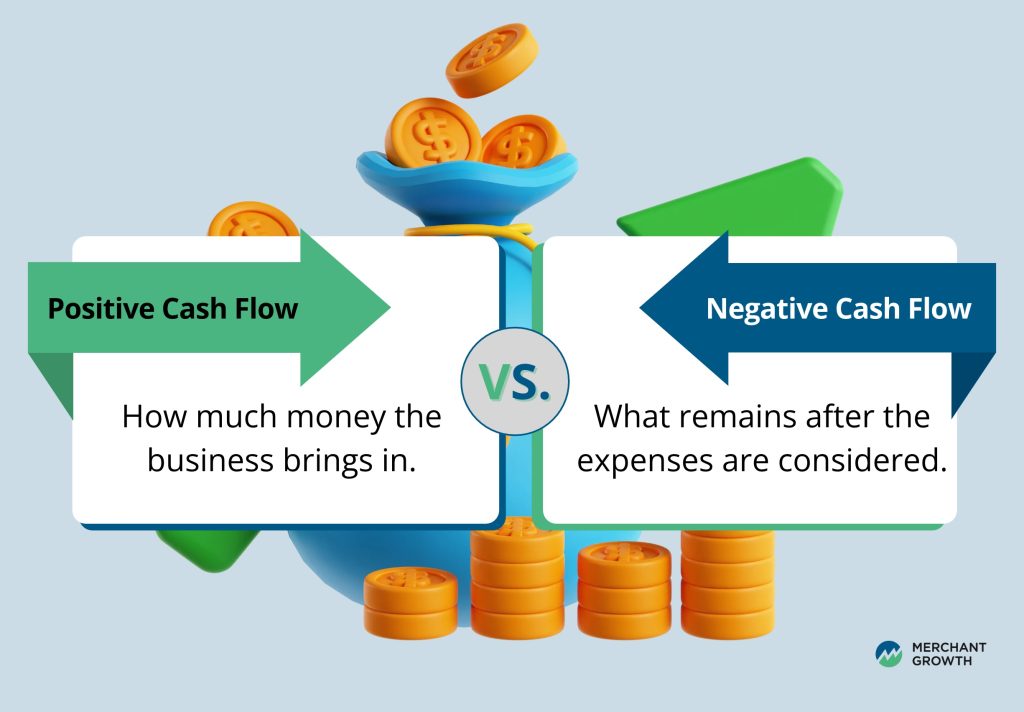
Profit margin is one way of looking at this relationship. It measures how much of a business's revenue remains as profit after relevant expenses are deducted. Higher-margin businesses can sometimes generate meaningful profit at a smaller scale because less of every dollar earned is consumed by the cost of delivering the product or service.
Several factors ultimately come together to determine profitability. There needs to be:
- Sufficient customer demand
- Pricing that supports sustainable margins
- Cost structure that makes sense for the revenue the business can realistically generate.
Competition, recurring revenue and the ability to grow without costs rising at the same pace can also influence the long-term opportunity.
15 Profitable Business Ideas to Consider in Canada
There isn't one best business to start in Canada. Some entrepreneurs have professional expertise they can turn into a service with relatively little upfront investment, while others have the capital and experience to build businesses requiring employees, equipment or inventory. The following ideas cover both established business models and newer opportunities, giving you a starting point for considering what aligns with your skills, resources and market.

1. Bookkeeping and Tax Preparation
Businesses and individuals consistently need help keeping their financial records organized and meeting their tax obligations, creating an opportunity for bookkeepers to build ongoing client relationships rather than relying entirely on one-time projects. The business can also have relatively low physical overhead, particularly for bookkeepers who work remotely and use cloud-based accounting software. For someone with the right financial knowledge and experience, that combination of recurring demand and lower overhead can create an appealing service-based business.
There is also flexibility in how bookkeeping services are priced. According to a 2026 pricing guide from Outsource Bookkeeping Canada, freelance bookkeepers commonly charge between $30 and $90 per hour, with many falling in the $40 to $60 per hour range. The company estimates outsourced monthly bookkeeping services at approximately $300 to $2,000 per month depending on transaction volume, with many small businesses paying between $400 and $800 per month. These aren't guaranteed rates for someone starting a bookkeeping business, but they provide a useful picture of the different ways the service can generate revenue.
The amount a bookkeeper can realistically charge will depend on factors such as experience, location, the complexity of the client's books, transaction volume and the services included. Getting started also requires appropriate financial knowledge, software and a clear understanding of which services you're qualified to provide. For a bookkeeper who can build a consistent client base, recurring monthly packages can provide a path to more predictable revenue while the business grows.

2. Construction and Skilled Trades
Construction and skilled trades can create strong business opportunities for people who already have the required training and experience. From plumbing and electrical work to HVAC, carpentry, welding and specialized contracting, these are services that homeowners and businesses continue to need. They can also provide a path from working independently to building a larger operation with employees, vehicles and multiple crews.
The earning potential within many skilled trades helps illustrate the value customers place on specialized expertise. CourseCompare's 2026 analysis, based on salary data from Indeed and Canada's Job Bank, lists average base salaries of approximately $98,000 for plumbers/pipefitters, $95,000 for refrigeration technicians, $89,000 for industrial electricians and $82,000 for electricians. These are employee salary figures rather than estimates of what a business owner will earn, but they help demonstrate the economic value of skilled work and why experienced tradespeople may eventually see an opportunity to build a business around their expertise.
There can be a considerable investment involved in making that transition. Depending on the trade, an owner may need specialized training or certification, tools, equipment, vehicles, insurance and eventually employees or subcontractors, while licensing and certification requirements can also vary by trade and province. A successful trades business therefore needs to price work high enough to account for those costs, not simply turn a skilled person's hourly earning potential into a business rate.
For someone who already has the appropriate qualifications and experience, however, there can be room to grow beyond an owner-operator model. Adding employees or crews, investing in equipment and taking on larger projects can increase capacity and allow the business to serve more customers. The opportunity comes from combining valuable technical expertise with a business model that can deliver that expertise profitably at a larger scale.

3. Cleaning Services
Cleaning can be a relatively accessible service business to start, with opportunities in residential homes, offices, retail spaces and larger commercial properties. The initial investment can be lower than businesses requiring a storefront or significant inventory, although owners still need to account for cleaning supplies, equipment, transportation, insurance and marketing. There is also room to start with a small number of clients and gradually build a larger operation as demand increases.
Commercial cleaning can be particularly interesting because businesses may need service on an ongoing basis. SKYREX Property Services' 2026 guide to commercial cleaning rates in Ontario estimates standard commercial cleaning at approximately $30 to $60 per hour, while deep or specialized cleaning may range from $50 to $75 or more per hour. Larger commercial jobs may instead be priced by square footage, with the company's estimates ranging from approximately $0.05 to $0.25 per square foot depending on the space and service required.
Recurring contracts can also change the revenue model. SKYREX estimates monthly commercial cleaning costs ranging from approximately $100 to $500 for offices under 1,000 square feet, $500 to $2,000 for spaces between 1,000 and 5,000 square feet and $2,000 to $5,000 or more for larger facilities. Actual pricing can vary based on location, cleaning frequency, the type of facility and additional services such as carpet cleaning, window washing or floor care, so these figures are better viewed as examples of how commercial cleaning can be priced rather than expected earnings for a new business.
As the client base grows, a cleaning business can expand by adding employees or crews, serving a larger geographic area or offering specialized services. That growth also brings additional labour, equipment, insurance and management costs, which means higher revenue doesn't automatically translate into higher profit. The opportunity comes from building a reliable base of recurring customers while pricing each contract to cover the true cost of delivering the service.
4. Digital Marketing and Creative Services
Businesses of all sizes need ways to attract and communicate with customers, creating opportunities for people with expertise in SEO, social media, paid advertising, web design, content creation and other digital services. Many of these businesses can also be started with relatively low physical overhead because the work can be completed remotely without significant inventory or specialized equipment. Depending on the service, revenue can come from individual projects, hourly work or recurring monthly retainers.
Experience and specialization can have a significant impact on earning potential. Freel's Canadian rate data estimates that junior freelance digital marketers typically charge $35 to $55 per hour, while mid-level professionals charge approximately $55 to $95 per hour and senior specialists range from $95 to $155 per hour. The platform notes that rates can also vary based on specialization, project complexity, industry knowledge, portfolio strength and location. These figures represent estimated freelance rates rather than guaranteed earnings, but they help demonstrate how developing more specialized or strategic expertise can increase the value of the services being offered.
There is also flexibility in how a digital marketing business earns revenue. Freel notes that marketers may work hourly, charge fixed prices for defined projects or use monthly retainers for ongoing work. Retainers can provide more predictable revenue, while project-based services may allow a business to price around the value and complexity of a particular deliverable rather than simply the time required to complete it.
Low startup costs, however, don't automatically make digital marketing highly profitable. Owners still need to consistently attract and retain clients, maintain their skills as platforms and technology change, and account for software, contractors, advertising and other operating expenses as the business grows. For someone with strong expertise and a clear way to differentiate their services, the opportunity comes from building a client base that values that expertise and gradually moving beyond simply selling more hours.

5. AI Consulting and Automation Services
Artificial intelligence has created a newer consulting opportunity for people who can help businesses use the technology in practical ways. That might mean identifying repetitive processes that could be automated, improving internal workflows, implementing AI-supported customer service or helping employees use AI tools effectively. The opportunity isn't simply in knowing how to use AI; it's in understanding where the technology can solve a problem well enough that another business is willing to pay for the expertise.
The range of services also creates several potential revenue models. Signal & Form estimates that AI strategy and assessment engagements in Canada commonly range from approximately $1,500 to $5,000, while implementation projects can range from $5,000 to $25,000 depending on their complexity. Ongoing consulting arrangements may range from approximately $2,000 to $10,000 per month, although these are provider estimates rather than guaranteed rates across the industry.
For someone entering this space, the strongest opportunity may be to combine technical knowledge with expertise in a particular business process or industry. As AI tools continue to change, simply knowing today's popular platforms may not provide a lasting advantage. Understanding how to identify worthwhile applications, implement them responsibly and demonstrate a measurable business outcome can create a more durable consulting service.
6. Ecommerce
Ecommerce gives Canadian businesses the ability to sell beyond their immediate communities and potentially reach customers across the country or internationally. Canada is already the world's ninth-largest ecommerce market by revenue according to Anchanto's 2026 market analysis, demonstrating the scale of online shopping within the country. An entrepreneur can enter the market by developing original products, sourcing goods for resale or building a specialized brand around a particular customer need.
The ability to access a large market doesn't necessarily make an ecommerce business easy to operate profitably. Canada's geography can create significant fulfillment and shipping considerations, while businesses also need to account for inventory, packaging, returns, platform fees, payment processing and customer acquisition. Anchanto also points to Canada's provincial tax requirements and bilingual market as factors businesses may need to navigate as they expand.
That makes the economics of each sale particularly important. A store generating significant revenue may retain relatively little if advertising and fulfillment costs consume most of its margin. A potentially profitable ecommerce opportunity needs both a product customers want and a realistic understanding of what it costs to get that product into their hands.

7. Healthcare and Wellness Services
Fitness and wellness can offer opportunities ranging from personal training and fitness instruction to studios, wellness services and other specialized businesses. Statistics compiled by Fitness Avenue from sources including Statistics Canada show that Canadian fitness and recreational sports centres generated $5.8 billion in operating revenue in 2024, an increase of 14.9% from the previous year. The sector's operating profit margin also increased from 5.8% in 2023 to 8.3% in 2024.
That doesn't mean opening a traditional gym is the only way to participate in the market. Depending on qualifications and local demand, entrepreneurs may build businesses around personal training, specialized fitness instruction, small studios, mobile services or other wellness offerings. Different models can have dramatically different cost structures, particularly when comparing an independent professional with a facility that requires commercial rent, equipment and employees.
Qualifications and regulation also matter in this broad category. Certain healthcare services require professional education, licensing or compliance with provincial requirements, while fitness and wellness businesses may have different professional and insurance considerations. Entrepreneurs should evaluate the rules surrounding their particular service rather than treating "health and wellness" as one interchangeable industry.

8. Senior and Home Support Services
Canada's aging population is creating a growing need for services that help older adults remain comfortable and independent at home. More than 1.5 million Canadians receive some form of home care each year, according to Canadian Institute for Health Information data cited by AgePlace Hub. For entrepreneurs with the appropriate skills and qualifications, that demand can create opportunities in non-medical companionship, personal support and other home-based services.
Private service rates also demonstrate how different types of care can support different business models. AgePlace Hub's 2026 Canadian estimates put companion care at approximately $25 to $32 per hour, personal support worker services at $28 to $40 per hour and specialized dementia support at $32 to $45 per hour. Nursing services can command higher rates, although they also require the appropriate professional qualifications.
Those are customer rates rather than an indication of what the business owner takes home. Staffing, insurance, travel, scheduling and administration can all affect the cost of providing care, while provincial rules and professional requirements vary according to the services offered. Trust is also central to the business, making the quality and reliability of the service just as important as demand.

9. Pet Services
Pet sitting, dog walking, grooming, boarding and training can all create opportunities to build a business around recurring customer relationships. Many pet owners need these services repeatedly rather than making a one-time purchase, which can help an established provider develop a more consistent client base. The amount required to get started can also vary considerably, from a relatively lean walking or pet-sitting operation to a grooming or boarding business requiring specialized facilities and equipment.
Pet Sitters International's 2026 State of the Industry Survey provides an interesting look at the potential of one part of this market. Canadian PSI member businesses reported average gross revenue of $166,118 in 2025, up from $100,764 in 2023, while 35% of survey respondents reported a net profit margin of at least 21%. The Canadian respondents served an average of 158 households and completed 3,229 visits during the year.
Those figures reflect businesses belonging to a professional industry association and shouldn't be treated as expected earnings for someone starting a pet-sitting business. They do, however, demonstrate that professional pet care can grow beyond occasional side work into a substantial service business. Building that kind of operation requires reliable service, appropriate insurance, effective scheduling and enough repeat customers to keep capacity consistently filled.

10. Professional Consulting
Experience developed during a career can sometimes become the foundation of a business of its own. Professionals with expertise in human resources, operations, technology, marketing, management or another specialized field can sell that knowledge to organizations that don't have the same expertise internally. Consulting can also have relatively low physical overhead because there may be little inventory or specialized equipment required to deliver the service.
Low overhead doesn't automatically produce a profitable consulting practice. Venn's 2026 Canadian consulting guideidentifies inconsistent pipelines, underpricing, low billable utilization, slow customer payments and poor visibility into profitability as common issues consultants need to manage. It suggests that solo consultants may aim for billable utilization of roughly 60% to 70% of their working time, leaving the remainder for sales, administration and other work required to operate the business.
That highlights an important consideration when turning expertise into a business: not every working hour is a billable hour. Consultants still need to find clients, prepare proposals, manage accounts and operate the business between projects. Creating clear services, specializing in a valuable area and developing recurring client relationships can help make the model more predictable as the business grows.

11. Home and Property Services
Homes, rental properties and commercial buildings continually require maintenance and management, creating opportunities for businesses built around practical local needs. Depending on an entrepreneur's skills, that could include landscaping, lawn care, snow removal, painting, maintenance, repairs or property management. These businesses can also create repeat or seasonal relationships rather than requiring the owner to find a completely new customer for every job.
Property management provides one example of how recurring revenue can work in this broader category. Management businesses typically provide an ongoing service to property owners rather than completing one isolated project, which can make the relationship more consistent than some other property services. Landscaping, maintenance and seasonal services can create their own versions of recurring revenue through scheduled service agreements.
The economics vary considerably depending on the service. Equipment, vehicles, employees, insurance and travel can become significant expenses as an operation grows, while Canadian seasonality can dramatically change the work available throughout the year. An owner therefore needs to consider not only what customers will pay for a service, but how consistently the business can keep its people and equipment generating revenue.

12. Food and Specialty Food Businesses
There will always be demand for food, but that doesn't automatically make every food business highly profitable. Restaurants Canada reported in early 2026 that 44% of restaurants were operating at a loss or breaking even as of November 2025, compared with just 12% in 2019. Food and labour costs were among the industry's biggest concerns, cited by 88% and 89% of operators respectively.
That is an important reminder that an entrepreneur interested in food doesn't necessarily need to begin with a traditional full-service restaurant. Catering, baked goods, prepared foods, specialty products and focused concepts can offer different ways to test demand and build a customer base, sometimes without immediately taking on the costs of a large permanent location. The right model will depend on the product, market and applicable food-safety and business requirements.
Whatever format the business takes, understanding unit economics is essential. Ingredient costs, packaging, labour, waste, equipment, rent, delivery and other expenses all need to fit within the price customers are willing to pay. Strong sales don't create a profitable food business when the margin remaining on each sale is too small to support the operation.

13. Education, Tutoring and Training
Knowledge and professional expertise can also be turned into a business through tutoring, workshops, professional education, online courses and specialized skills training. These services can be delivered locally, virtually or through a combination of the two, giving entrepreneurs flexibility in how they reach students. Startup requirements can also be relatively modest for someone who already has the appropriate subject expertise and teaching skills.
Connect Education estimates that tutors in Canada commonly charge approximately $40 to $60 per hour, although rates can begin around $20 and rise above $100 for experienced tutors or specialized subjects. Actual pricing depends on factors such as qualifications, subject area, experience, location and whether instruction is delivered online or in person.
There are also different ways to grow beyond one-to-one instruction. Group programs, workshops, corporate training, recorded courses and other educational products can allow a business to serve more people without increasing teaching hours at exactly the same rate. The best model depends on the subject and how much individual support customers need to achieve the result they're paying for.

14. IT and Technology Services
As businesses rely more heavily on technology, they also need people who can implement, maintain, troubleshoot and protect it. IT support, managed services, cybersecurity, software development and other technical services can therefore create opportunities for specialists serving businesses that don't have the same capabilities internally. Recurring support and managed-service agreements can also provide more predictable revenue than relying entirely on individual projects.
The broader Canadian market is substantial.Grand View Research estimates that Canada's IT services market generated approximately US$96.3 billion in revenue in 2025 and projects it could reach US$187.5 billion by 2033, representing an estimated compound annual growth rate of 8.6% from 2026 through 2033. Its separate analysis of IT professional services projects even faster growth of 10.9% annually over that period.
Those market figures encompass far more than small independent IT companies, so they shouldn't be interpreted as the revenue opportunity for an individual startup. They do show the scale of spending surrounding technology services as Canadian organizations continue investing in digital systems. For a smaller provider, the opportunity comes from identifying a specific technical need, maintaining current expertise and building enough trust that clients are comfortable relying on the business for important technology and data.

15. Specialized Retail or Local Service Businesses
A potentially profitable business doesn't always have to be attached to a fast-growing national trend. Specialty retail, repair businesses and niche local services can succeed by serving a specific group of customers particularly well. In some communities, identifying something residents currently have to travel elsewhere or go online to purchase can reveal opportunities that won't necessarily appear on a list of Canada's fastest-growing industries.
Retail does bring a different cost structure from many of the service businesses on this list. Inventory, rent, staffing, payment processing and unsold products can all affect margins, while physical retailers also compete with ecommerce businesses and larger chains. A niche therefore needs to be specific enough to differentiate the business while still having enough potential customers to support it.
This is one category where local research matters more than a national statistic. Visit competing businesses, look at what is already available nearby, speak with potential customers and determine whether there is a genuine gap before investing heavily in inventory or a location. Sometimes the most promising opportunity isn't a new national trend at all; it's a need that hasn't been met particularly well in your own community.
Which Profitable Business Idea Is Right for You?
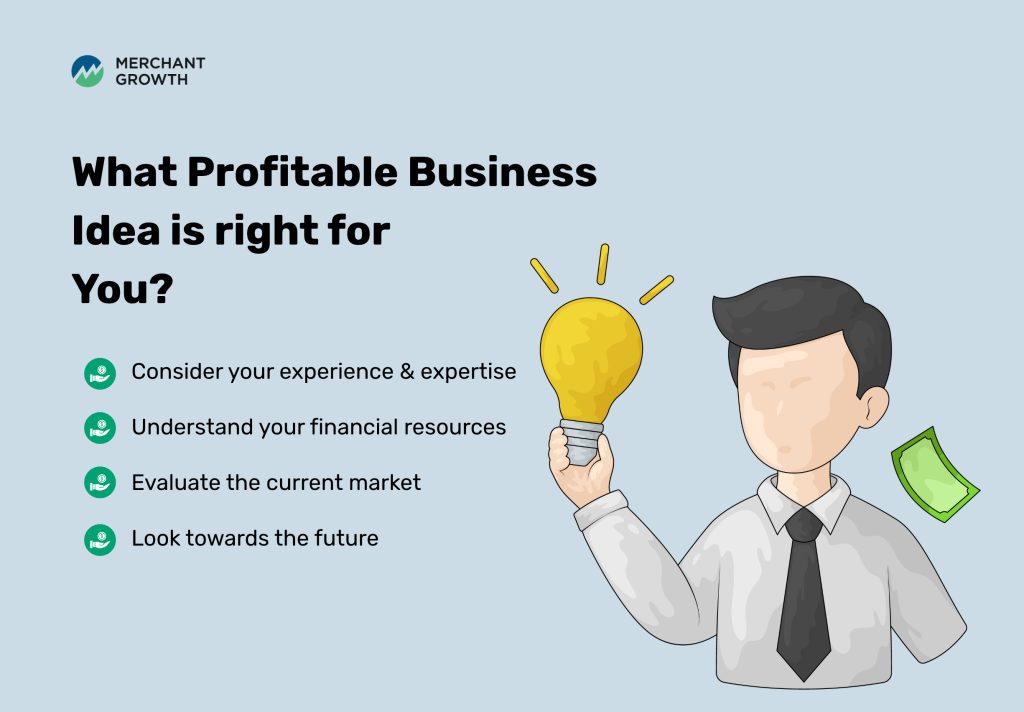
A promising idea on paper still has to make sense for the person building it. Start with your existing skills and experience because those can affect both the cost of getting started and your ability to deliver something customers will pay for. Someone with years of trade experience, for example, is evaluating a construction opportunity from a very different starting point than someone who would need extensive training and licensing before accepting their first job.
Next, consider your financial resources and the type of business you actually want to operate. An ecommerce store may require inventory and advertising before meaningful revenue arrives, while a consultant may be able to begin with a computer, appropriate software and professional insurance. A property-service company might require a vehicle and equipment, while a retail operation could introduce rent, renovations, staffing and inventory.
Your market matters just as much as your personal circumstances. Look at who the customers would be, what alternatives they already have and why they would choose your business. A less glamorous idea with clear local demand and a strong fit with your expertise may be a better opportunity than a high-growth industry where you have no obvious advantage.
Finally, think about what you want the business to become. Some entrepreneurs want to remain hands-on owner-operators, while others want to build a team and eventually step away from day-to-day delivery. Neither approach is inherently better, but they require different business models, cost structures and plans for growth.
How Much Does It Cost to Start a Profitable Business?
There is no universal startup cost for a profitable business, even within the same industry. A consultant working from home and a consulting firm opening an office with several employees are technically in the same broad category but require very different amounts of capital. It is more useful to think about opportunities in general investment ranges and then build a detailed budget for the specific model you're considering.
| Investment level | Examples | Common costs |
|---|---|---|
| Lower | Consulting, digital services, bookkeeping, tutoring | Software, business registration, insurance, marketing |
| Moderate | Cleaning, pet services, ecommerce, property services | Equipment, inventory, vehicles, insurance, marketing |
| Higher | Construction, physical retail, larger service operations | Property, renovations, equipment, inventory, vehicles, employees |
Lower investment doesn't automatically mean greater profitability. A business that costs very little to start can still struggle if customers aren't willing to pay enough for its services, while a more capital-intensive operation can make financial sense when there is sufficient demand and the expected revenue supports the investment. Startup cost is therefore one part of the decision rather than a shortcut for determining which business will make the most money.
The same principle applies as the company grows. A business that initially requires little more than a laptop may eventually invest heavily in employees, software, marketing and office space, while a trades business may need additional vehicles and equipment to accept more work. Understanding what the next stage will cost can be just as important as calculating the price of opening the doors.
Before You Invest, Make Sure People Will Actually Buy
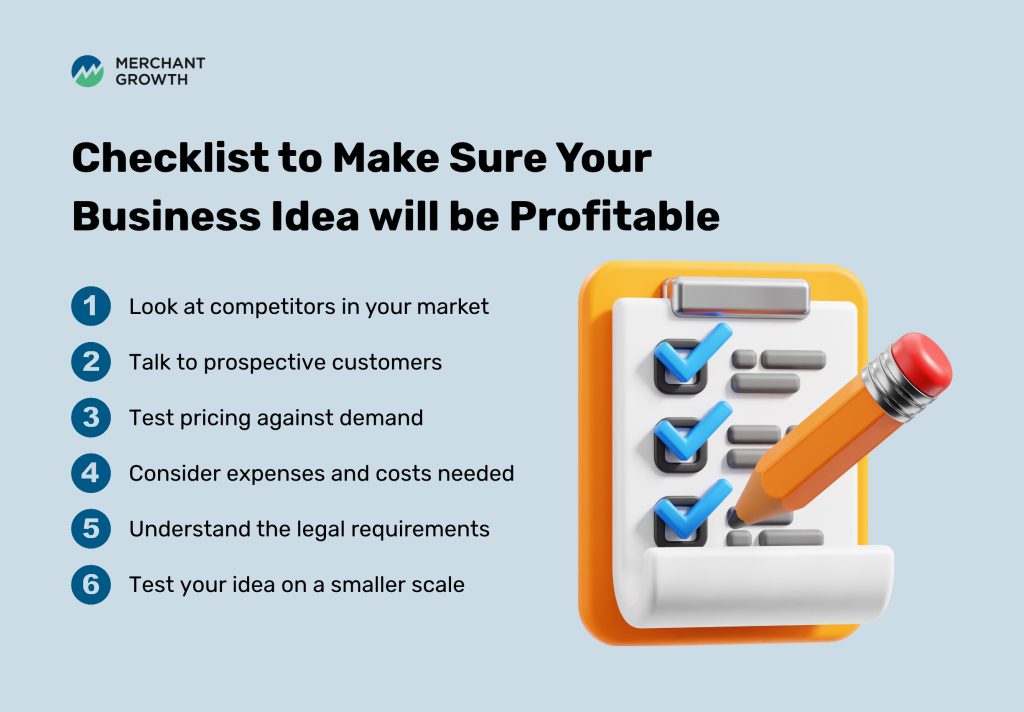
Research can tell you that an industry is growing, but it can't guarantee customers will choose your business. Before committing significant money, look at competitors in your local or online market and identify what customers are currently buying. Talk to potential customers where possible and test whether the problem you intend to solve is important enough for them to pay for your solution.
Pricing should be tested alongside demand. Estimate the actual cost of providing the product or service, including expenses that are easy to overlook, and determine how many sales you would need to cover those costs. A concept can attract plenty of interest and still be financially weak if the price customers will accept doesn't leave enough room for sustainable margins.
Where possible, start by testing a smaller version of the idea. A food entrepreneur might begin with markets or catering before committing to a storefront, while a consultant could validate a service with several clients before building a larger team. Testing won't eliminate business risk, but it can provide evidence that real customers are willing to pay before you make a larger financial commitment.
There are practical requirements to investigate as well. Depending on the business, you may need licences, permits, insurance, professional qualifications or regulatory approvals before operating. Building a simple cash-flow forecast at this stage can also help you understand not only how much the business may cost to start, but when expenses will occur relative to expected customer payments.

A Profitable Business Still Needs Cash Flow
Profitability doesn't mean cash will always be available exactly when the business needs it. A retailer may need to purchase inventory weeks or months before customers buy it, while a contractor may purchase materials and pay employees before receiving final payment from a client. A growing business might hire additional staff or increase marketing spending before those investments produce additional revenue.
These timing differences make cash-flow planning important even when the underlying opportunity is financially sound. Owners need to understand which expenses must be paid upfront, how long it typically takes to collect customer revenue and how much cash the business needs to keep operating during the gap. That can influence how quickly the business can grow and whether additional working capital may eventually be required.
Planning for those requirements early is generally easier than discovering them after the business has already committed to an expansion. Equipment, inventory, technology, hiring, renovations and marketing can all require investment before their financial return is realized. A realistic growth plan should therefore consider both whether an investment can generate profit and how the business will fund it in the meantime.
Build a Business That Makes Sense for You
The most profitable businesses in Canada aren't automatically the best businesses for every Canadian entrepreneur. A strong opportunity brings together real customer demand, manageable costs, sustainable margins and a business model the owner has the resources and ability to execute. Those ingredients matter far more than whether an idea appears near the top of a national ranking.
Use lists of lucrative business ideas as a starting point for research rather than a promise of results. Investigate your market, understand the costs, test whether customers will pay and be realistic about the expertise and time the business requires. The goal isn't simply to find a profitable industry; it's to build a business that has a realistic path to becoming profitable for you.

When a Profitable Opportunity Requires More Capital
For an established business, growth can create a different challenge. You may already know customers want what you sell and have evidence that the model works, but taking advantage of the next opportunity could require inventory, equipment, vehicles, technology, marketing, employees, renovations or another location. In those situations, the investment often needs to happen before the additional revenue it is intended to generate arrives.
That is where business financing can become one part of a broader growth plan. Rather than using capital to pursue an untested idea, an established business may use financing to act on demand it has already identified, increase capacity or manage the timing between an investment and the revenue it is expected to produce. The important step is understanding what the capital will fund, what the business expects it to accomplish and how the resulting payments fit into cash flow.
Merchant Growth provides flexible business financing for established Canadian businesses looking to invest in their next stage of growth. Whether that means purchasing inventory, adding equipment, hiring, increasing marketing or expanding operations, having access to capital can help a business move on a proven opportunity without relying entirely on cash already on hand.