


Buying a Business in Canada: What You Need to Know Before You Take Over
What if you could skip the early uncertainty of starting from scratch and step directly into something that’s already running? Taking over an existing business gives you access to customers, revenue, and operations from day one.
That said, this isn’t a shortcut to success. It still requires careful planning, financial investment, and a strong understanding of what you’re taking on. You’re not just acquiring assets; you’re taking responsibility for how the business performs moving forward.
At its core, this path is less about building something new and more about stepping in, understanding what works, and improving it over time. In this guide, we’ll walk through how to buy a business in Canada, from finding the right opportunity to financing, regional considerations, and what it takes to make the transition successful.

Is Buying a Business Right for You?
Choosing between buying a business and starting one from scratch is an important decision, and the right option depends on your goals, experience, and risk tolerance. Buying an existing business can offer advantages that are difficult to replicate in a startup environment, particularly when it comes to stability and predictability.
One of the biggest benefits is the presence of an established foundation. You may be acquiring an existing customer base, trained employees, supplier relationships, and proven processes. This can reduce some of the uncertainty that typically comes with launching a new business, especially in the early stages.
However, there are trade-offs to consider. Buying a business often requires a larger upfront investment, and you may inherit challenges such as outdated systems, inefficiencies, or operational issues. It’s important to think about whether you’re comfortable stepping into an existing structure and making improvements over time. The best fit is one that aligns with your skills, your interests, and how you want to operate as an owner.
How to Buy a Business in Canada (Step-by-Step)
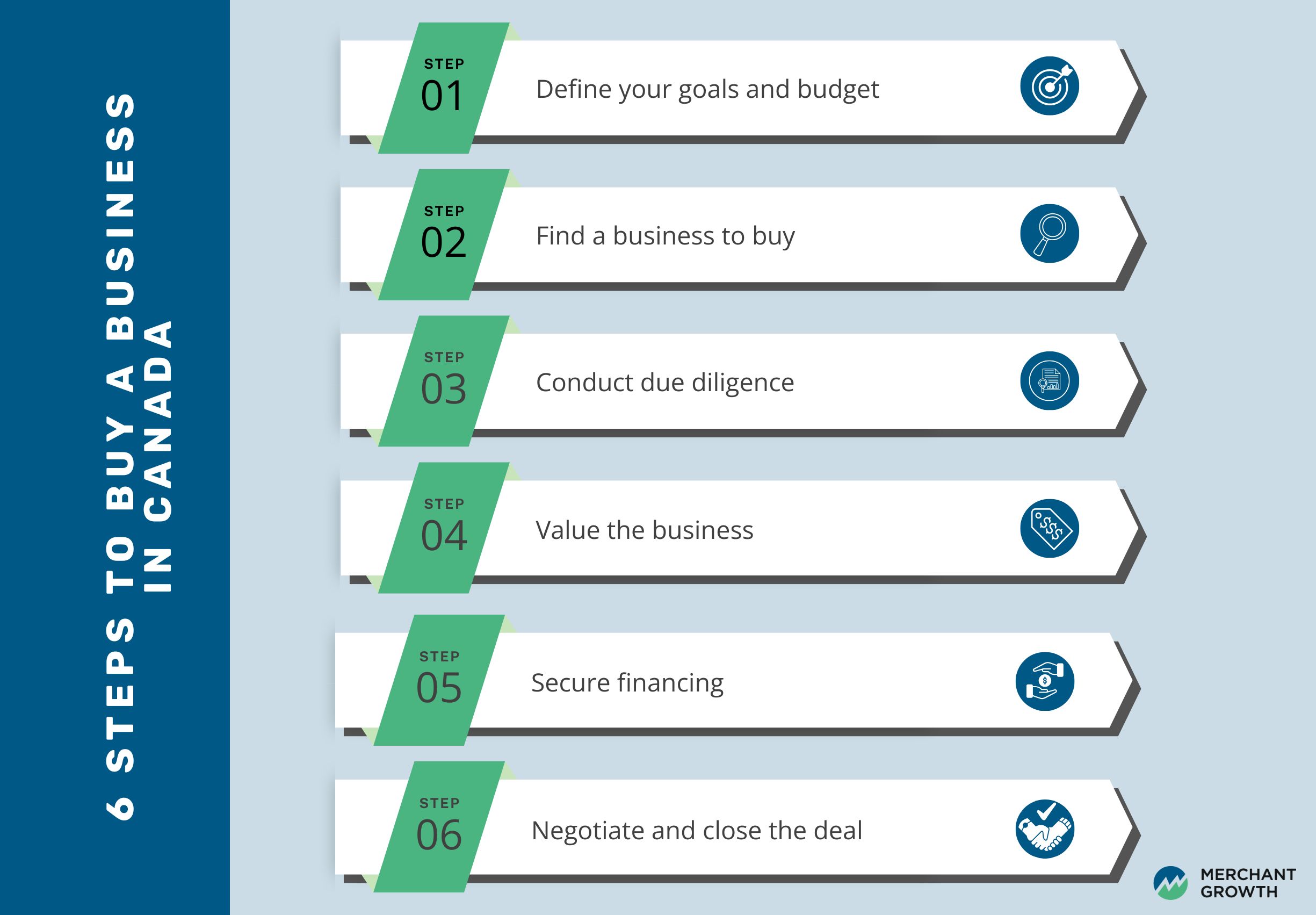
Buying a business can feel like a big process at first, but when you break it down into clear steps, it becomes much more manageable. While every deal is different, most acquisitions follow a similar path, from defining what you want to closing the transaction. Taking the time to move through each stage thoughtfully can help you avoid costly mistakes and feel more confident in your decisions.
1. Define Your Goals and Budget
Before you start looking at businesses, it’s important to get clear on what you actually want. This goes beyond just choosing an industry; it includes thinking about how involved you want to be, what kind of schedule you’re comfortable with, and what success looks like for you in the long term.
For example, some buyers are looking for a hands-on role where they’re involved in daily operations, while others prefer a business that can run more independently. You may also want to consider whether you’re focused on growth, stability, or lifestyle. These factors will shape the type of business that makes sense for you.
Your budget is just as important as your goals. Understanding how much you can invest upfront, how much financing you’ll need, and what level of risk you’re comfortable with will help narrow your options. Being realistic at this stage makes the rest of the process more focused and helps prevent you from pursuing businesses that aren’t a good financial fit.
2. Find a Business to Buy
Once you know what you’re looking for, the next step is finding the right opportunity. There are a few different ways to approach this, and each method has its place depending on your situation.
Working with a business broker can be especially helpful if you’re new to the process. Brokers often have access to established businesses with verified financials and can guide you through the early stages of evaluating opportunities. This route tends to be more structured and can save time, particularly if you want support with negotiations later on.
Online marketplaces are useful if you’re still exploring and want to get a sense of what’s available. They allow you to compare businesses across industries, price ranges, and locations, which can help you refine your criteria. However, not every listing will be detailed or accurate, so it’s important to treat this as a starting point rather than a final decision tool.
Your network can also be a valuable source of opportunities. Some business owners prefer to sell privately, and these deals may never be publicly listed. Talking to industry contacts, advisors, or even letting people know you’re looking can sometimes lead to opportunities that others don’t see.
In many cases, the best approach is to use a combination of these methods. This increases your chances of finding a business that not only fits your budget but also aligns with your experience and long-term goals.
3. Conduct Due Diligence
Once you’ve identified a business that interests you, the next step is to take a much closer look. Due diligence is where you move beyond initial impressions and verify the details of the business. This includes reviewing financial statements, contracts, leases, employee agreements, and any outstanding liabilities.
It’s also an opportunity to understand how the business operates day to day.
- How dependent is it on the current owner?
- Are there key employees who play a critical role?
- How stable are customer relationships?
These are the kinds of questions that don’t always show up in financial reports but can have a big impact on your decision.
Working with professionals such as accountants and lawyers is especially valuable at this stage. They can help identify risks, interpret financial data, and ensure that nothing important is overlooked. While this step can take time, it’s one of the most important parts of the entire process and should never be rushed.
4. Value the Business
Once you understand the business in detail, the next step is determining what it’s worth. Valuation is about assessing whether the asking price makes sense based on the business’s financial performance, assets, and future potential.
There are several ways to approach valuation. Some businesses are valued based on a multiple of earnings, while others rely more heavily on asset value or cash flow. The right method often depends on the industry and the type of business you’re looking at.
It’s also important to consider what is driving the value. For example, a business with strong recurring revenue may be more valuable than one with inconsistent sales, even if the total revenue looks similar. Understanding these nuances can help you make a more informed offer and avoid overpaying.
5. Secure Financing
For most buyers, financing plays a key role in completing the purchase. This often involves combining personal funds with external financing to cover the total cost. The way you structure this financing can have a direct impact on how manageable the business is after you take over.
Some buyers rely on traditional loans, while others incorporate seller financing or bring in partners. The right approach depends on the size of the deal, the financial health of the business, and your own financial position.
It’s important to think beyond just securing the funds needed to close the deal. You also want to ensure that the business can comfortably support repayment while still allowing room for growth and unexpected expenses. A well-structured financing plan sets you up for stability after the purchase.
6. Negotiate and Close the Deal
Once financing is in place and due diligence is complete, the final step is negotiating the terms of the purchase and closing the deal. This includes agreeing on price, payment structure, transition support, and any conditions tied to the sale.
This stage is about more than just the purchase price. Details like how long the current owner will stay involved, how inventory is handled, and how liabilities are transferred can all have a significant impact on your experience as the new owner.
Having legal support during this phase is essential to ensure that all agreements are clearly documented and that your interests are protected. Once everything is finalized, the transaction is completed, and ownership officially transfers.
Stepping back, the process of buying a business is less about rushing to the finish line and more about making informed decisions at each stage. Taking a thoughtful approach helps reduce risk and gives you a much stronger foundation as you move into ownership.
How to Finance Buying a Business
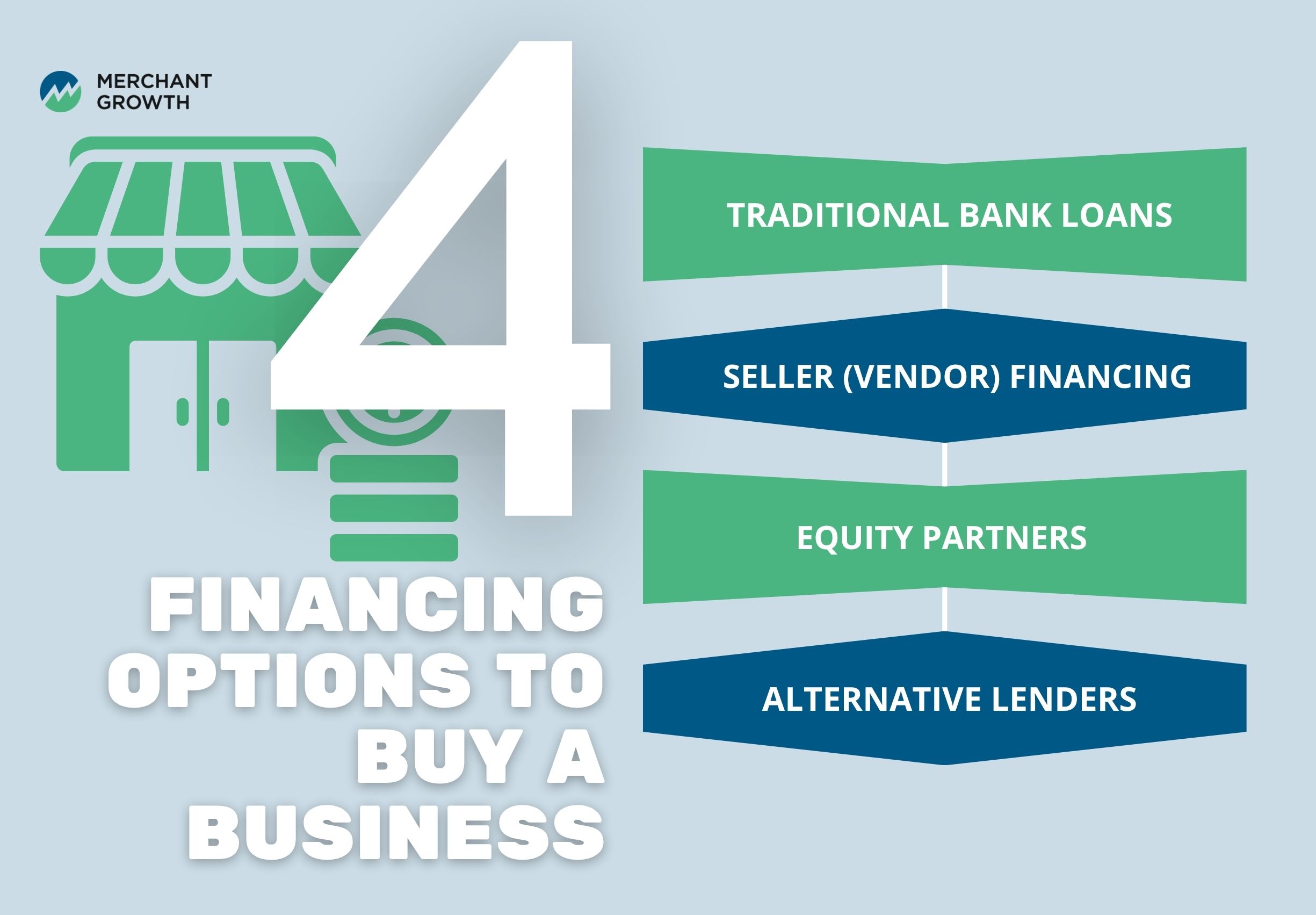
Financing is often one of the most important and complex parts of buying a business. The right structure can support your success, while the wrong one can create unnecessary pressure on cash flow. Understanding the different options available helps you choose an approach that aligns with your situation and the type of business you’re acquiring.
Traditional Bank Loans
Bank loans are one of the most common financing options, particularly for established businesses with consistent revenue and strong financial records. Lenders will typically assess the business’s performance, your personal financial position, and the overall risk of the transaction.
This option is often best suited for businesses with predictable cash flow and clear financial history, such as established retail operations or service-based businesses. While interest rates may be competitive, approval requirements can be strict, and the process may take longer.
Seller (Vendor) Financing
Seller financing occurs when the current owner agrees to finance part of the purchase price. This can reduce the amount of upfront capital required and create more flexibility in structuring the deal.
This approach is particularly useful when a seller wants to ensure the business continues to succeed after the transition. It is often seen in smaller or privately owned businesses where the seller is open to supporting the buyer through the transition period.
Equity Partners
Bringing in equity partners involves raising capital in exchange for a share of ownership in the business. This can reduce the amount of debt required and provide additional expertise or resources.
This option may be more suitable for larger acquisitions or businesses with strong growth potential. However, it also means sharing control and decision-making, which is an important consideration for many buyers.
Alternative Lenders
Alternative lenders can provide more flexible financing options, particularly for businesses that may not meet traditional bank requirements. These lenders often have faster approval processes and may focus more on cash flow than strict financial history.
This option can be helpful for businesses in transition, industries with less predictable revenue, or situations where timing is critical. While costs may be higher than traditional loans, the flexibility can be valuable depending on your needs.
There is no single “right” way to finance a business purchase. The best approach often involves a combination of options that balance affordability, flexibility, and risk. Taking the time to structure financing carefully can make a significant difference in how manageable the business is after the purchase.
What to Look for Before You Buy a Business
Once you’ve found a business that looks promising, it’s important to take a step back and evaluate it from a few different angles. Strong revenue or a good location can make a business seem like a great opportunity at first glance, but those surface-level details don’t always tell the full story. Understanding how the business operates, where its value comes from, and what risks may be present will give you a much clearer picture of what you’re stepping into.
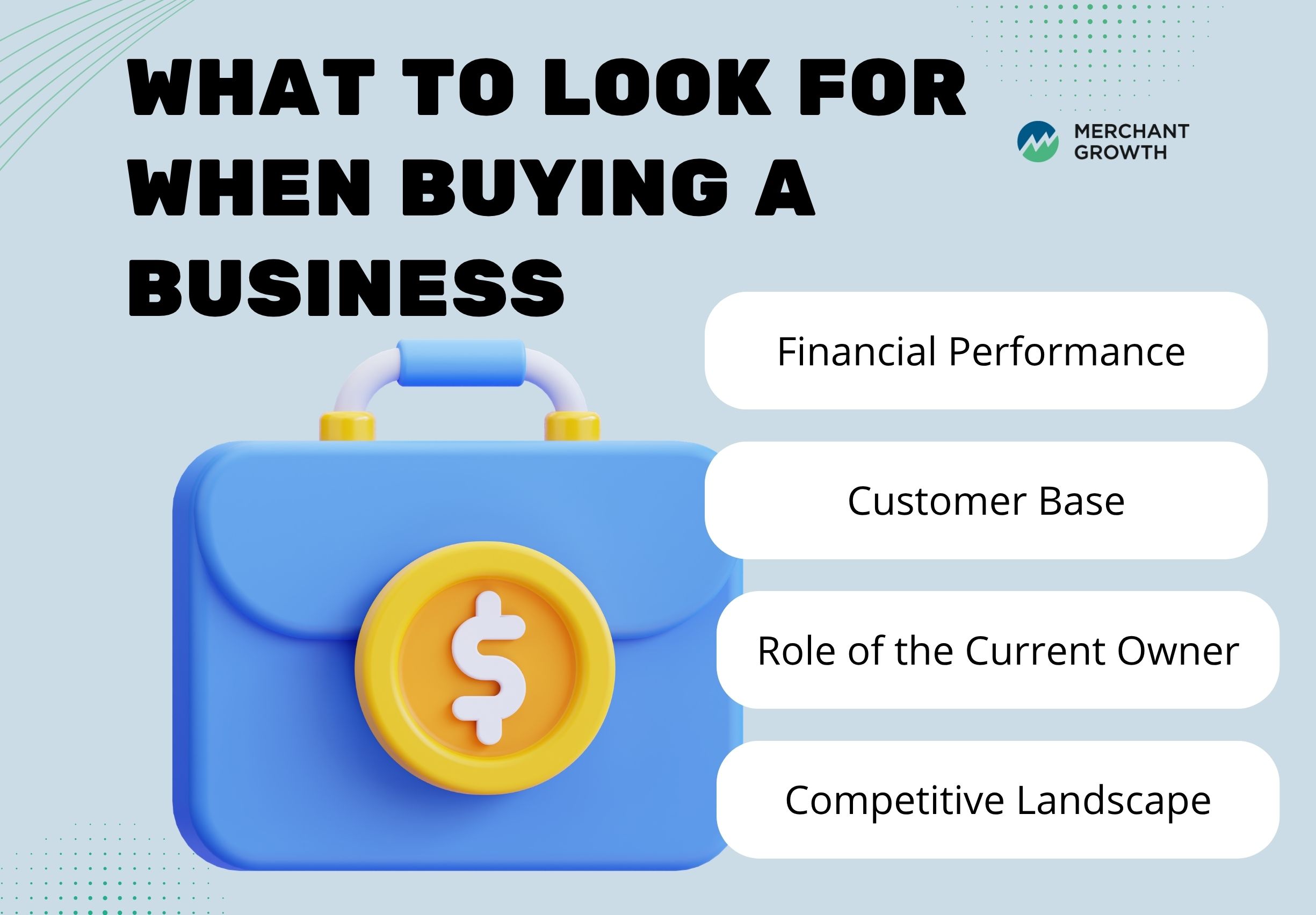
Taking the time to look closely at a few key areas can help you move from interest to informed decision-making. These factors not only influence the price you’re willing to pay, but also how smoothly the transition into ownership will go.
Financial Performance & Cash Flow
Consistent revenue and reliable cash flow are some of the strongest indicators of a stable business. Reviewing historical financial statements allows you to identify trends, understand seasonality, and see how the business performs over time. It also helps you assess whether the business can realistically support financing and ongoing operational costs.
Beyond the numbers themselves, it’s worth looking at how predictable that performance is. A business with steady, recurring income may offer more stability than one that relies heavily on seasonal spikes or one-time projects.
Customer Base
A strong and diversified customer base can significantly reduce risk. Businesses that rely on a small number of clients or contracts may be more vulnerable if those relationships change after the transition. Understanding who the customers are, how long they’ve been with the business, and how frequently they engage can provide valuable insight into stability.
It’s also helpful to consider customer loyalty and how the business attracts new customers. A well-established brand or strong referral network can make a meaningful difference in long-term performance.
Role of the Current Owner
In many small businesses, the owner plays a central role in daily operations, sales, or key relationships. If that’s the case, it’s important to understand how those responsibilities will transfer once the business changes hands.
For example, if the owner is heavily involved in customer relationships or business development, you may need to plan for a more gradual transition. Businesses with clearly defined systems and responsibilities that don’t rely on one individual are often easier to step into and manage effectively.
Competitive Landscape
Looking at the broader market helps you understand where the business stands and what its future might look like. This includes evaluating competitors, identifying industry trends, and considering any barriers to entry that protect the business from new competition.
A business with a clear position in its market, whether through pricing, service, or specialization, is often better positioned for stability and growth. Understanding these dynamics can help you assess not just where the business is today, but where it could go over time.
Common Risks When Buying a Business
While many risks can be managed, it’s important to recognize them early in the process. Some of Buying a business comes with a certain level of risk, even when everything looks solid on the surface. While many of these risks can be managed or reduced, the key is recognizing them early and understanding how they might impact your decision. In many cases, issues that seem small at first can become more significant after the transition if they aren’t properly addressed.
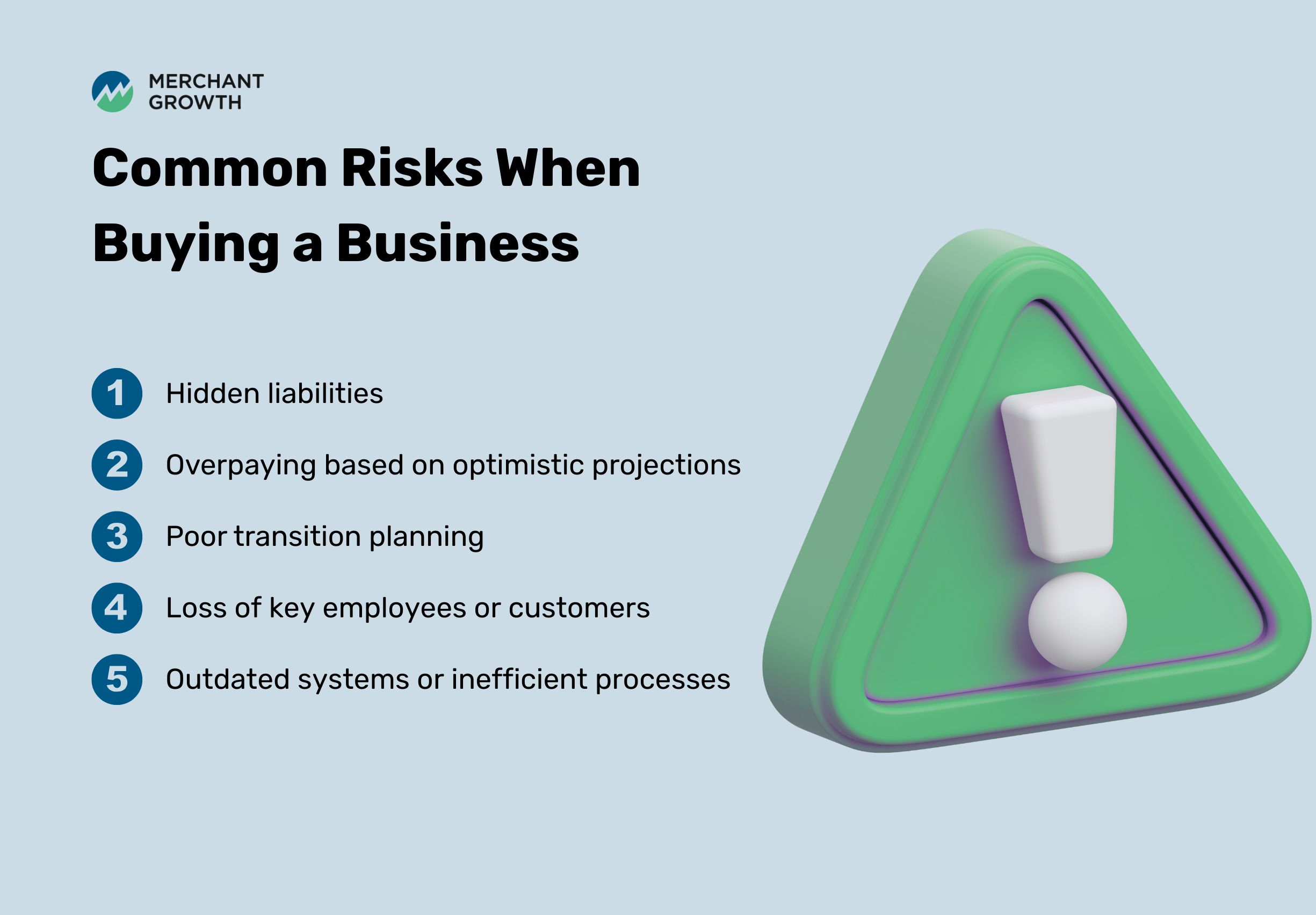
Being aware of the most common risks helps you ask better questions, focus your due diligence, and negotiate more effectively. Some of the most common include:
- Hidden liabilities such as unpaid debts, legal issues, or outstanding obligations
- Overpaying based on optimistic projections rather than verified performance
- Poor transition planning leading to operational disruptions
- Loss of key employees or customers after the ownership change
- Outdated systems or inefficient processes that require additional investment
Understanding these risks allows you to address them during due diligence and negotiations rather than after the purchase is complete.

Transitioning Ownership Successfully
The transition period is where many acquisitions either succeed or struggle. Even a strong business can face challenges if the handover is not handled carefully. Maintaining stability during this phase is essential for preserving the value you’ve acquired.
A successful transition often begins before the deal is finalized. This can include developing a clear plan with the current owner, identifying key employees, and understanding how daily operations are managed. Having the previous owner available for a defined transition period can also help ensure continuity.
In the early stages of ownership, it’s often beneficial to observe before making major changes. This allows you to understand what is working well and where improvements can be made. Gradual adjustments, rather than immediate overhauls, tend to be more effective and less disruptive.
Over time, as you become more familiar with the business, you can begin to implement changes that align with your vision. A thoughtful transition helps build trust with employees and customers while setting a strong foundation for future growth.
Buying a Business Across Different Regions in Canada
Opportunities to buy a business can vary significantly depending on where you’re looking. Each region has its own economic drivers, customer expectations, and regulatory considerations, all of which can influence how a business operates and what it’s worth. Understanding these regional differences can help you focus your search and make more informed decisions.
Ontario
Ontario offers one of the largest and most diverse business markets in Canada, with strong opportunities across retail, services, manufacturing, and professional sectors. The volume of available businesses gives buyers more choice, but it also creates a more competitive environment, particularly in major cities like Toronto and Ottawa.
Because of this competition, valuations tend to be higher, and desirable businesses can move quickly. Buyers in Ontario often need to be well-prepared with financing and ready to act once they find the right opportunity. At the same time, the size and diversity of the market can make it easier to find a business that aligns closely with your experience and long-term goals.
British Columbia
British Columbia is known for its strong service economy, with many opportunities in hospitality, tourism, health and wellness, and lifestyle-oriented businesses. In areas like Vancouver and Victoria, businesses often benefit from steady demand and strong consumer spending, but this can come with a higher cost of entry.
Buyers should pay close attention to location-based factors, as performance can vary significantly between urban centres and smaller communities. In some cases, businesses may be heavily influenced by seasonal trends, particularly in tourism-driven regions. Understanding these patterns is important when evaluating cash flow and long-term sustainability.
Alberta
Alberta’s business landscape is often influenced by industries such as energy, construction, and trades. This can create strong opportunities for buyers interested in operational or service-based businesses that support these sectors. Compared to more competitive markets, there may be greater flexibility in pricing and deal structure.
However, economic cycles can have a more noticeable impact in Alberta, particularly when tied to resource markets. Buyers should consider how changes in the broader economy could affect demand and plan accordingly. Businesses with diversified revenue streams or strong local demand may offer more stability in this environment.
Quebec
Buying a business in Quebec involves a few unique considerations, particularly around language and regulatory requirements. Many businesses operate primarily in French, and understanding the local market is essential for building relationships with employees, customers, and suppliers.
Quebec also has a strong presence of small, independently owned businesses with deep community ties. This can create valuable opportunities, but it also means that reputation and relationships play a significant role in long-term success. Buyers may benefit from working with local advisors who understand the nuances of the market.
Atlantic Canada (Nova Scotia, New Brunswick, PEI, Newfoundland & Labrador)
Atlantic Canada often offers lower entry costs compared to larger provinces, making it an attractive option for buyers looking to enter the market with less upfront capital. Businesses in these regions tend to be more community-focused, with strong emphasis on relationships and local reputation.
While the market size may be smaller, many businesses benefit from consistent, stable demand. Buyers should consider factors such as population size, economic drivers, and customer loyalty when evaluating opportunities. For those looking for a more balanced lifestyle or long-term ownership, Atlantic Canada can present compelling options.
Tips for Buying a Business Successfully
Approaching the process with the right mindset can make a meaningful difference in the outcome. While every deal is unique, there are a few principles that consistently help guide successful acquisitions:
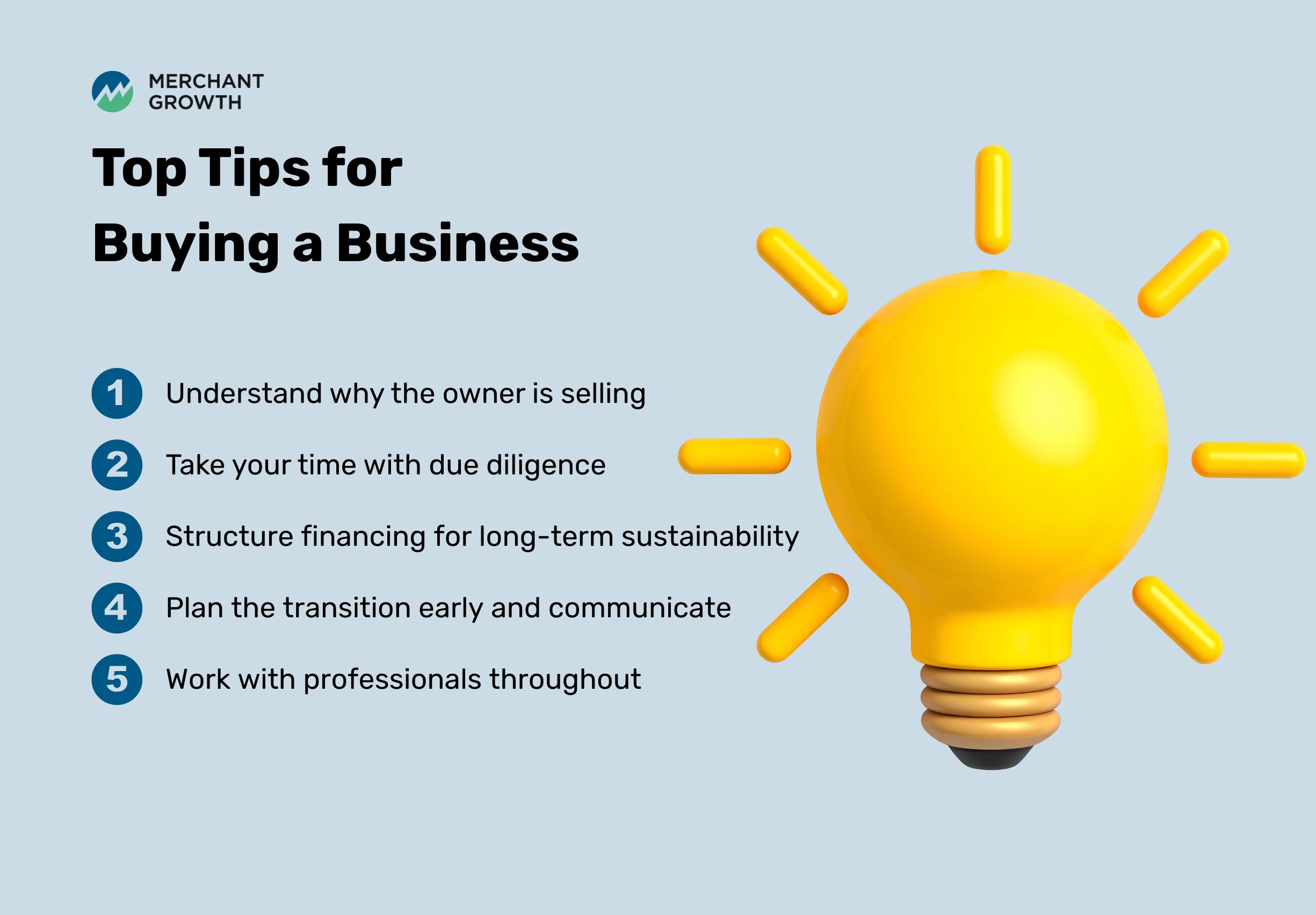
- Understand why the owner is selling and what it may indicate about the business
- Take your time with due diligence and avoid rushing key decisions
- Structure financing in a way that supports long-term sustainability
- Plan the transition early and communicate clearly with employees and customers
- Work with professionals such as accountants and lawyers to guide the process
Buying a business is both a financial and operational decision. Taking a thoughtful and disciplined approach helps reduce risk and creates a stronger foundation for success once you step into ownership.
How Merchant Growth Can Support Your Next Step
Buying a business is only one part of the journey. Successfully operating and growing it is what determines long-term success, and that often requires access to working capital after the transition.
Merchant Growth provides flexible funding solutions for Canadian businesses that have been in operation. While this means financing isn’t available at the initial purchase stage, it can become a valuable resource once the business is up and running under your ownership.
Whether you’re managing cash flow, investing in improvements, or supporting growth, having access to funding at the right time can help you move forward with greater confidence.