


Hustle Culture in Canada: Burnout, Work-Life Balance, and the Pressure to Always Be Productive
There was a time when being “busy” became a status symbol. Long workdays, side hustles, late-night emails, and nonstop productivity were often celebrated as proof of ambition and success. Phrases like “rise and grind” and “sleep when you’re dead” became deeply embedded in modern work culture, especially among entrepreneurs and professionals trying to get ahead.
Today, however, more people are beginning to question whether constant hustle is actually sustainable. Burnout rates are rising, work-life boundaries are disappearing, and many Canadians are feeling overwhelmed by the pressure to always be productive. According to Statistics Canada, 43% of Canadians report feeling under constant stress, while 36% say they do not have enough time for fun. These numbers reflect a growing reality that many people are working harder than ever while feeling increasingly exhausted in the process.
At the same time, conversations around work are starting to shift. Younger generations are placing more value on flexibility, wellbeing, and balance, while business owners are beginning to recognize that long-term success cannot depend entirely on nonstop overwork. Hustle culture may have normalized exhaustion, but more people are now realizing that sustainable success requires something very different.
What Is Hustle Culture and Why Is Everyone Always Working?
Hustle culture is the belief that success comes from constantly working, staying productive, and maximizing every available hour of the day. It promotes the idea that hard work alone determines success and that slowing down, resting, or disconnecting from work can be viewed as falling behind.
In many ways, hustle culture goes beyond simply having a strong work ethic. It often encourages people to tie their self-worth directly to productivity and achievement. Instead of viewing work as one part of life, hustle culture can make productivity feel like a measure of personal value.
Social media has played a major role in accelerating this mindset. Entrepreneurs, influencers, and professionals frequently share highly curated versions of nonstop productivity, showcasing packed schedules, side hustles, early mornings, and constant work as symbols of ambition. Over time, this messaging has made overworking feel normalized, particularly among younger professionals and business owners trying to keep up in increasingly competitive industries.
The challenge is that hustle culture rarely highlights the long-term consequences of operating this way. Constant productivity may create short bursts of momentum, but over time it can lead to exhaustion, stress, and a growing inability to disconnect from work entirely.

How Hustle Culture Became the New Normal
The rise of hustle culture did not happen overnight. Over the last decade, technology, social media, remote work, and entrepreneurial grind have all contributed to creating an environment where people feel expected to always be available and constantly productive. As digital tools have become more integrated into daily life, the boundaries between work, rest, and personal time have become increasingly blurred.
Smartphones and Digital Communication
Smartphones and digital communication tools have made it easier than ever to stay connected to work at all times. Emails, messages, and notifications now follow people everywhere, making it difficult to fully disconnect even outside traditional working hours. Remote work has also blurred the boundaries between personal and professional life, causing many people to feel like they are always partially “on the clock.”
This constant connectivity can significantly impact work-life balance over time. Research has shown that increased smartphone use for work outside regular working hours is strongly linked to higher levels of work-life conflict. In fact, 19 separate studies found a significant association between using smartphones for work during off-hours and increased work-life imbalance, highlighting how difficult it has become for many professionals to mentally separate from work.
While digital communication has improved flexibility and efficiency in many workplaces, it has also contributed to the expectation that people should always be reachable. Over time, this can make rest feel interrupted and create pressure to respond quickly, even during personal time.
AI, Automation, and the Pressure to Stay Productive
Artificial intelligence is becoming another major factor shaping modern work culture. AI tools can improve efficiency, automate repetitive tasks, and help businesses streamline operations, which is one reason adoption continues to grow across Canada. A recent KPMG survey found that 35% of Canadian businesses are already using AI in their operations.
At the same time, AI can also unintentionally reinforce hustle culture by increasing expectations around productivity and output. When tasks become faster to complete, many workers and business owners feel pressure to do even more within the same amount of time rather than using that extra capacity for balance or recovery. The constant availability of AI tools can also contribute to the feeling that work never fully stops.
There is also a social side to AI adoption that often gets overlooked. As more communication, brainstorming, and task management move through digital systems, some workers may feel increasingly isolated from coworkers and workplace collaboration. While AI can be an extremely helpful operational tool when used strategically, it can also contribute to the growing expectation that people should always be producing, optimizing, and staying connected.
Entrepreneurship Culture
Entrepreneurship culture has also helped normalize overworking. Startup culture often glorifies sacrifice, long hours, and relentless commitment, creating the impression that burnout is simply part of building something successful. Social media reinforces this mindset by constantly rewarding visibility, productivity, and performance.
Many entrepreneurs also carry significant emotional and financial pressure while trying to grow a business. In fact, 36% of entrepreneurs report that mental health challenges interfere with their ability to work at least once a week. Despite this, many founders still feel pressure to push through exhaustion because hustle culture often treats burnout as proof of ambition rather than a warning sign.
The reality is that entrepreneurship naturally involves hard work and uncertainty, especially during periods of growth. However, when constant stress and overworking become normalized, it becomes much harder for entrepreneurs to build businesses that are sustainable long-term.
Side Hustles and the Monetization of Hobbies
At the same time, many people feel increasing pressure to monetize hobbies, pursue side hustles, or turn every free moment into something productive. Instead of rest being viewed as necessary, it is often treated as something that needs to be “earned.” Over time, this mindset can make slowing down feel uncomfortable, even when people are mentally and physically exhausted.
Side hustles have become especially common in Canada as people look for additional income streams or more financial flexibility. According to Omnisend’s 2026 Side Hustle Economy Report, about 31% of Canadians currently have a side hustle. While side businesses can create opportunities and financial support, they can also contribute to longer working hours and reduced downtime when people struggle to fully disconnect from productivity.
The challenge is not necessarily having ambition or pursuing additional goals. The problem arises when every hobby, passion, or free evening starts feeling like something that should generate income or measurable output. Eventually, people may lose the ability to rest without feeling guilty for not being productive enough.
The Psychology Behind Hustle Culture Burnout
One of the reasons hustle culture becomes so difficult to escape is because it often operates on a psychological level rather than just a professional one. Many people begin connecting achievement with self-worth, which creates pressure to constantly accomplish more in order to feel successful, valuable, or secure.
Social Comparison, Social Media, and the Pressure to Keep Up
Social comparison also plays a major role in reinforcing hustle culture, particularly through social media. Every day, people are exposed to carefully curated versions of success that highlight promotions, business wins, productivity routines, luxury lifestyles, and constant achievement. Even when someone is already overwhelmed or exhausted, seeing others appear constantly productive can create pressure to work harder in order to avoid feeling left behind.
This behaviour is closely connected to what psychologists call Social Comparison Theory. The theory suggests that people naturally evaluate themselves by comparing their lives, achievements, and progress to those of others around them. Social media amplifies this instinct because people are no longer comparing themselves to just coworkers or friends. They are comparing themselves to entrepreneurs, influencers, executives, creators, and strangers online who are often only sharing highly polished highlights of their lives.
Over time, these constant comparisons can distort expectations around what productivity and success should look like. Many people begin feeling like they are never doing enough because there is always someone online appearing to accomplish more. Hustle culture thrives in these environments because social media often rewards visibility, busyness, and constant output rather than balance or recovery.
Guilt Around Rest and Why Slowing Down Feels So Difficult
Hustle culture can also create deep feelings of guilt around rest. Many people struggle to fully relax without feeling unproductive, causing downtime to feel stressful instead of restorative. Instead of viewing breaks as necessary for recovery, rest often becomes something people feel they need to “earn” after reaching a certain level of productivity.
This guilt has become increasingly common in modern work culture. In fact, one recent study found that 47% of workers feel guilty about taking a vacation. Even when people take time off physically, many still remain mentally connected to work through emails, notifications, or anxiety about falling behind while they are away.
Over time, this mindset can create a harmful cycle where people continue pushing themselves even when their energy, creativity, and mental wellbeing are declining. Hustle culture often teaches people to ignore exhaustion instead of recognizing it as a signal that recovery is necessary.
Breaking this cycle usually requires intentional habit changes and healthier boundaries around work. Strategies that can help reduce guilt around rest include:
- Setting clear work hours and communication boundaries
- Scheduling breaks and time off in advance
- Reducing after-hours notifications and work alerts
- Reframing rest as part of productivity rather than the opposite of it
- Prioritizing hobbies and activities that are not tied to achievement or income
- Taking smaller breaks consistently instead of waiting until burnout becomes severe
Learning how to rest without guilt can take time, especially for people who have spent years equating productivity with self-worth. However, sustainable success depends on recognizing that recovery is not laziness. It is an essential part of maintaining long-term creativity, focus, and overall well-being.
Signs You May Be Burned Out From Hustle Culture
Burnout rarely happens all at once. In many cases, it develops gradually after prolonged periods of stress, overwork, and mental exhaustion. Because hustle culture normalizes being overwhelmed, many people fail to recognize burnout until it starts affecting both their work and personal life significantly.
Emotional and psychological impact of burnout
One of the most common signs of burnout is emotional exhaustion. People may feel constantly drained regardless of how much rest they get, while everyday responsibilities begin feeling heavier and more difficult to manage. Motivation often declines as well, even toward projects or goals that once felt exciting.
Burnout can also affect focus, creativity, and decision-making. Many people experience brain fog, irritability, reduced concentration, or difficulty completing simple tasks efficiently. Others may struggle to disconnect from work mentally, even during evenings, weekends, or vacations.
Physical symptoms of burnout
Physical symptoms can appear too. Sleep problems, headaches, anxiety, fatigue, and increased stress levels are all commonly associated with chronic overwork. When stress becomes constant, the body eventually begins responding as though it is permanently operating in survival mode.
One of the biggest warning signs is feeling guilty for resting. When people begin viewing breaks, hobbies, or downtime as “unproductive,” it often reflects how deeply hustle culture has shaped their relationship with work and achievement.
Why Entrepreneurs and Business Owners Struggle to Slow Down
Entrepreneurs are often especially vulnerable to hustle culture because business ownership naturally involves high levels of responsibility and uncertainty. Many business owners feel personally responsible for every part of the business, making it difficult to disconnect or step away without worrying that something will fall apart.
Why Financial Stress Fuels Overworking
Financial pressure can make this even more intense. Cash flow challenges, rising operating costs, staffing shortages, and economic uncertainty often force entrepreneurs to take on additional responsibilities themselves rather than delegate or invest in support systems. In uncertain economic conditions, many founders feel pressure to work harder simply to maintain stability.
The Social Pressure to Always Be “Grinding”
There is also strong social pressure surrounding entrepreneurship. Hustle culture frequently portrays successful founders as people who sacrifice everything for their business, creating unrealistic expectations around what entrepreneurship should look like. Long hours and constant availability are often treated as proof of dedication, even when they come at the expense of health and well-being.
The reality is that entrepreneurship does require hard work, especially during periods of growth or uncertainty. However, there is a major difference between working hard with intention and operating in a constant state of exhaustion. Businesses built entirely around founder burnout are often much harder to sustain long-term.
Is Gen Z Rejecting Hustle Culture?
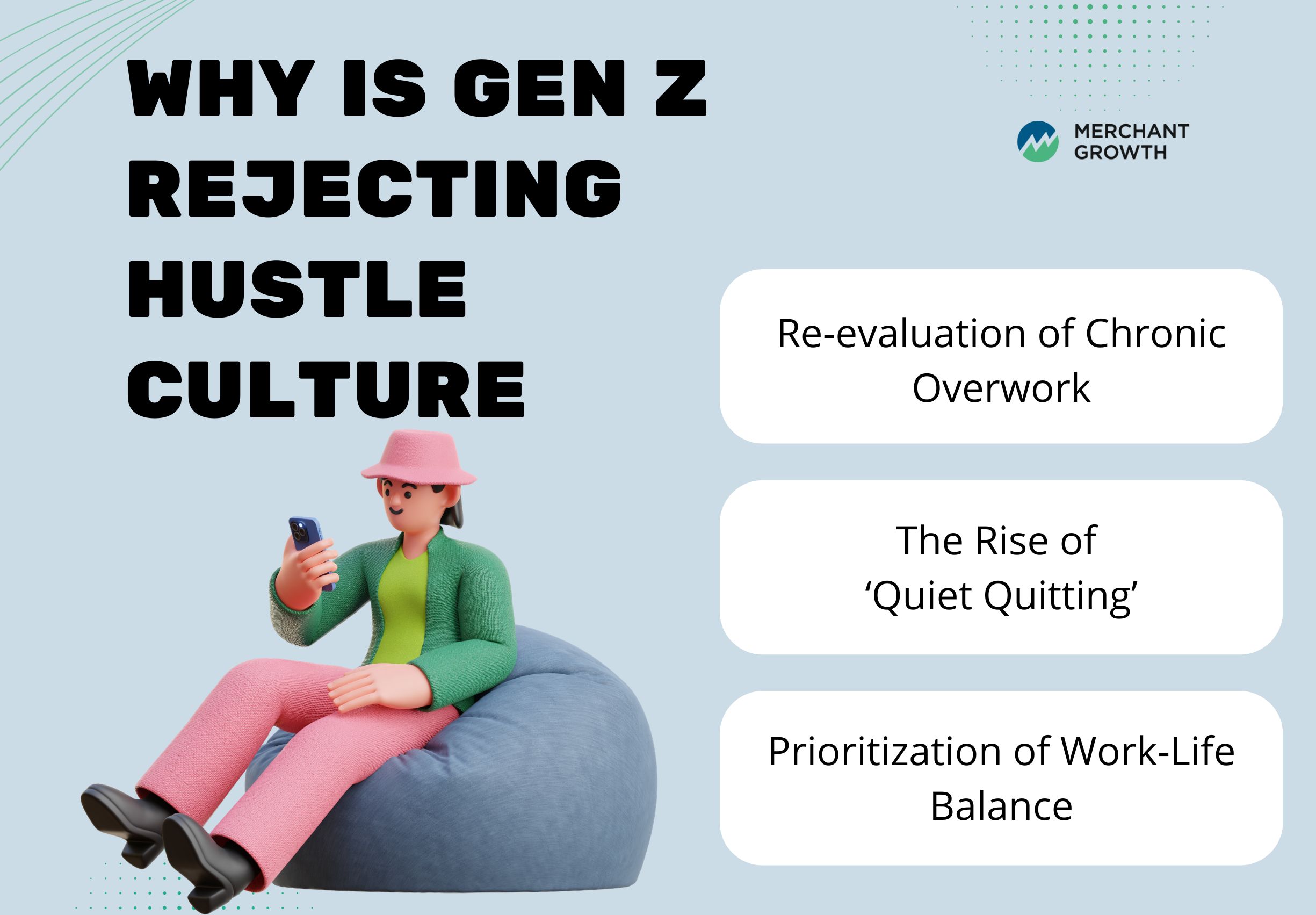
One of the biggest shifts happening in modern work culture is the growing pushback against hustle culture, particularly among younger generations. Many Gen Z workers and entrepreneurs are rethinking what success looks like and placing greater importance on mental health, flexibility, and work-life balance. Instead of viewing nonstop productivity as the ultimate goal, many younger professionals are becoming more intentional about protecting their time, energy, and overall wellbeing.
Why Younger Generations Are Re-Evaluating Work
This shift is partly a response to watching previous generations experience chronic burnout, stress, and work-related exhaustion. Younger workers are increasingly questioning whether constant overworking actually leads to long-term happiness or fulfillment. As a result, conversations around boundaries, mental well-being, burnout prevention, and sustainable work habits have become far more mainstream in both workplace culture and social media discussions.
There is also growing interest in concepts like slow living, flexible work, and intentional productivity. Instead of maximizing every hour for output, many people are focusing more on creating balance and protecting their energy long term. This shift is increasingly influencing how younger professionals evaluate employers, career paths, and entrepreneurship itself.
The Rise of Quiet Quitting
The rise of trends like “quiet quitting” also reflects this changing mindset. Quiet quitting does not literally mean leaving a job. Instead, it refers to employees stepping back from the expectation that work should consume their entire identity or personal life.
Many young workers are becoming less willing to sacrifice their mental health, relationships, and personal time for workplaces that promote constant availability and overperformance without healthy boundaries. In many ways, quiet quitting became less about disengagement and more about pushing back against unrealistic expectations tied to hustle culture.
Work-Life Balance Is Becoming a Priority
Recent data supports this shift in priorities. According to a 2024 Gallup poll, 68% of Gen Z workers said they would take a pay cut for a job that offered better work-life balance. This highlights how strongly younger generations are beginning to value flexibility, wellbeing, and sustainability alongside financial success.
This does not mean ambition is disappearing. Many younger professionals still value career growth, entrepreneurship, and financial independence. However, there is a growing recognition that success should not require constant exhaustion in order to maintain it.
Hustle Culture vs Work-Life Balance: How to Build Sustainable Success
Building work-life balance is much easier to talk about than it is to actually practice, especially in a culture where productivity is constantly rewarded, and comparison is everywhere online. For entrepreneurs and professionals, stepping away from work can feel uncomfortable because there is often pressureto always be available, responsive, and moving forward.
The challenge is that long-term success becomes difficult to sustain when work consumes every part of life. Creating healthier work habits does not mean lowering ambition. It means building routines, systems, and boundaries that allow people to perform consistently without operating in a constant state of exhaustion.
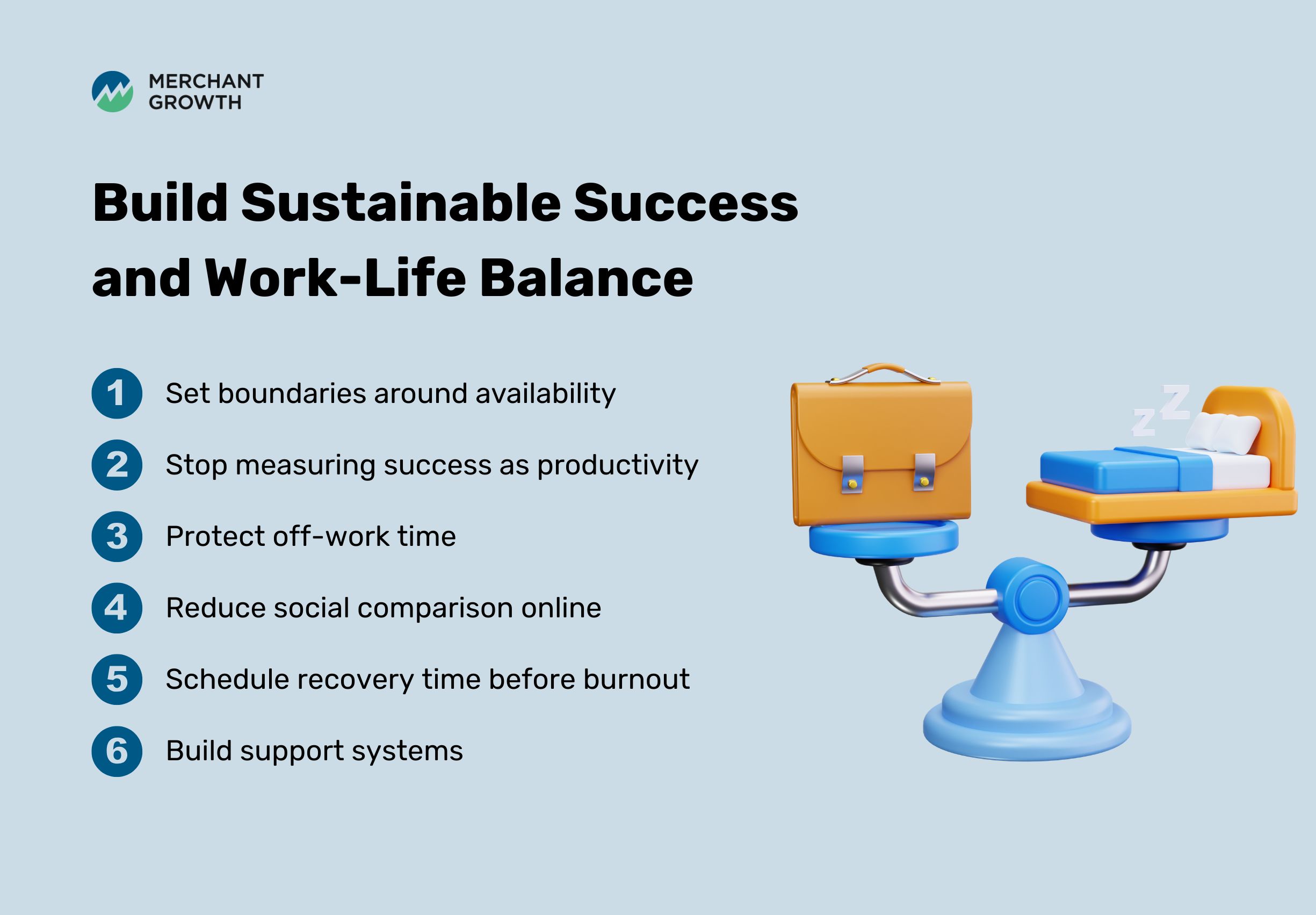
Set Boundaries Around Availability
One of the biggest contributors to burnout is feeling constantly reachable. Emails, messages, and notifications can quickly create the expectation that work should continue long after the workday officially ends.
Creating clearer boundaries around communication can help reduce this pressure significantly. This may include setting work hours, limiting after-hours notifications, or creating designated times to respond to emails instead of remaining constantly connected throughout the day.
Growing concerns around burnout and constant accessibility have even influenced workplace policy in Canada. In Ontario, employers with 25 or more employees are now required to have written policies around disconnecting from work outside regular working hours. While the legislation does not completely prohibit after-hours communication, it reflects a broader shift toward recognizing the importance of healthier boundaries and work-life balance in modern workplaces.
For entrepreneurs and professionals alike, boundaries are becoming less about productivity and more about sustainability. Protecting personal time helps create healthier routines, improves focus, and reduces the long-term pressure that hustle culture often creates.
Stop Measuring Success Through Constant Productivity
Hustle culture often teaches people to measure their value based on how busy they are. Over time, this can make rest feel unproductive and create guilt around slowing down.
Shifting away from this mindset requires recognizing that productivity is not the same as well-being. Sustainable success depends more on consistency, focus, and long-term health than nonstop output every hour of the day.
Protect Time That Is Not Tied to Work
Many professionals struggle to fully disconnect because hobbies, downtime, and even vacations can start feeling like missed opportunities to work or stay productive. Creating intentional personal time that is completely separate from work can help restore healthier balance.
This may include prioritizing hobbies, exercise, family time, or social activities without turning them into side hustles or productivity goals. Rest becomes far more effective when it is not attached to performance or achievement.
Reduce Social Comparison Online
Social media can easily distort expectations around success because people are constantly exposed to curated highlights of other people’s careers and accomplishments. Comparing everyday reality to someone else’s highlight reel often creates unnecessary pressure to work harder or achieve more.
Reducing comparison may involve limiting exposure to productivity-focused content, unfollowing accounts that trigger stress, or spending less time consuming work-related content outside business hours. Creating healthier online habits can reduce some of the pressure that fuels hustle culture.
Schedule Recovery Time Before Burnout Happens
Many people wait until they are completely exhausted before taking breaks, vacations, or time away from work. By that point, recovery often takes much longer because burnout has already fully developed.
Building smaller forms of recovery into daily and weekly routines can help prevent chronic stress from escalating. Short breaks, evenings away from screens, vacations, and intentional downtime all play an important role in maintaining long-term energy and focus.
Build Support Systems Instead of Doing Everything Alone
Entrepreneurs and professionals often struggle with the belief that they need to handle everything themselves. Over time, this creates unnecessary pressure and increases the risk of burnout.
Delegation, operational support, mentorship, and stronger systems can help reduce workload while improving long-term sustainability. Asking for support is not a sign of weakness. In many cases, it is one of the most important steps toward creating healthier and more sustainable success.
Create a Work Culture That Supports Balance
Burnout prevention is not only an individual responsibility. Businesses and leadership teams also play a major role in shaping workplace culture and expectations around productivity.
One of the most effective ways businesses can reduce burnout culture is by encouraging healthier boundaries around communication and availability. When employees feel expected to respond to emails or messages at all hours, it becomes difficult to fully disconnect and recover outside work.
Realistic workloads also matter. Constant urgency and excessive workloads can quickly create chronic stress within teams, particularly when employees feel they cannot take breaks without falling behind. Businesses that prioritize sustainable workflows are often more successful at maintaining long-term employee engagement and retention.
Flexibility and autonomy can also improve workplace wellbeing significantly. Employees who feel trusted to manage their schedules and responsibilities often experience lower stress levels and stronger job satisfaction. Supporting time off, mental health, and work-life balance ultimately benefits both employees and overall business performance.
Creating healthier work culture does not mean reducing ambition or productivity. In many cases, businesses with healthier workplace expectations actually perform better long term because teams are more engaged, focused, and sustainable over time.
How Merchant Growth Supports Sustainable Business Growth
Financial pressure is one of the biggest reasons entrepreneurs struggle to slow down. When cash flow becomes tight or operational demands increase, many business owners feel forced to take on more responsibilities personally instead of investing in support systems that could reduce workload and improve efficiency.
Access to financing can help businesses create more flexibility during periods of growth or uncertainty. Funding may help businesses hire staff, invest in automation, improve operational systems, manage inventory, or strengthen overall cash flow stability. These investments can reduce some of the constant pressure founders carry while helping businesses operate more sustainably long term.
Merchant Growth helps Canadian small businesses access flexible financing solutions designed to support operational stability and sustainable growth. Whether businesses are investing in infrastructure, improving efficiency, or navigating financial challenges, additional flexibility can help entrepreneurs focus more strategically on long-term success instead of nonstop survival mode.
Hustle culture has made overworking feel normal, but sustainable success is built through balance, resilience, and healthier systems that support long-term growth. Businesses become stronger when founders are able to lead effectively without sacrificing their wellbeing in the process.