


Recession-Resistant Businesses: How Small Businesses Can Navigate Economic Uncertainty
Economic uncertainty is becoming an increasing concern for Canadian small business owners. Inflation, tariffs, changing consumer spending habits, and ongoing recession discussions are creating pressure across many industries, causing businesses to rethink growth plans and focus more heavily on long-term stability.
At the same time, uncertainty does not mean businesses should panic. Economic slowdowns affect industries differently, and some business models tend to remain more stable because they provide essential services, practical value, or products that consumers continue prioritizing regardless of financial conditions.

Merchant Growth surveyed 129 small businesses to understand how entrepreneurs are feeling about the Canadian economy. Nearly half of business owners (47%) surveyed believe Canada is already in a recession, while another 23% expect one within the next year. Many businesses are already adjusting spending, expansion plans, and staffing strategies in response to changing economic conditions.
Understanding how recessions affect consumer behaviour, what industries tend to remain more resilient, and how businesses can prepare strategically can help entrepreneurs navigate uncertainty more confidently.
Key Takeaways
- Recession-resistant businesses often provide essential or value-driven products and services
- Customer affordability and loyalty become increasingly important during slower economies
- Strong cash flow management can help businesses remain stable during uncertainty
- Diversified revenue streams improve flexibility during economic slowdowns
- Ecommerce and digital tools can strengthen resilience and customer reach
- Businesses that prepare proactively are often better positioned than businesses that react emotionally
What Is a Recession?
A recession is a period of economic decline where overall business activity slows down for an extended period of time. During recessions, consumers and businesses often become more cautious with spending, which can lead to lower sales, reduced investment, layoffs, and slower economic growth.
For small business owners, recessions are usually felt through changes in customer behaviour. Consumers may delay large purchases, reduce discretionary spending, and prioritize affordability over convenience or luxury. Businesses may also become more cautious about expansion, inventory purchases, or hiring decisions.
Common signs of a recession often include:
- Reduced consumer confidence
- Slower spending habits
- Hiring slowdowns
- Reduced business investment
- Higher closure rates in vulnerable industries
Not every industry experiences recessions the same way. Some sectors see major declines in demand, while others remain relatively stable because they provide products or services consumers continue needing regardless of economic conditions.
What Is Economic Uncertainty?
Economic uncertainty refers to periods where businesses and consumers feel unsure about future financial conditions. This uncertainty often influences spending decisions, investment activity, and overall business confidence.
Several factors are currently contributing to uncertainty in Canada, including inflation, interest rates, tariffs, trade disruptions, and slowing consumer spending. As conditions become less predictable, many businesses begin making operational adjustments to reduce risk and protect stability.
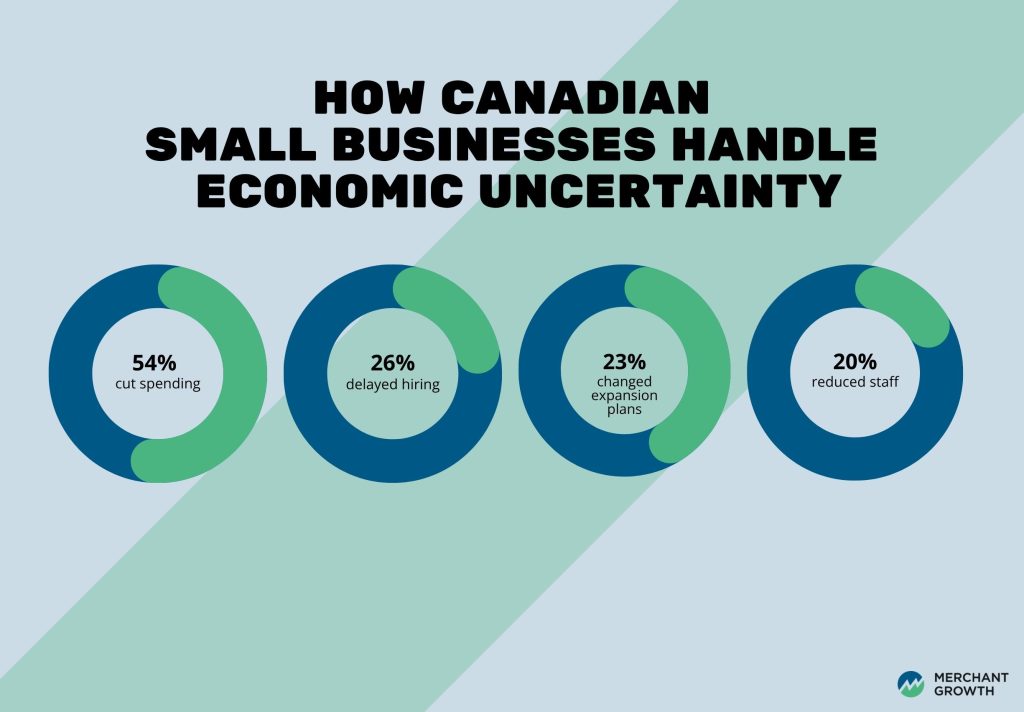
Merchant Growth survey findings show:
- 54% of businesses have cut spending
- 26% delayed hiring
- 23% paused or cancelled expansion plans
- 20% reduced staff
These adjustments often begin before a recession is officially confirmed because businesses are trying to prepare proactively for changing market conditions.
While uncertainty can create challenges, it also rewards businesses that stay adaptable, monitor financial performance closely, and respond strategically instead of reactively.
What Are Recession-Resistant Businesses?
Recession-resistant businesses are businesses that tend to maintain steadier demand during economic downturns. These companies are often connected to essential services, affordability, recurring customer needs, or practical products that consumers continue purchasing even during slower economies.
It is important to understand that recession-resistant does not mean completely recession-proof. Nearly every business can still experience challenges during economic slowdowns. However, some industries are generally more stable because the services they provide remain necessary regardless of broader market conditions.
Businesses that often perform more consistently during recessions typically focus on:
- Essential products or services
- Affordability and value
- Recurring customer demand
- Repair and maintenance services
- Operational flexibility
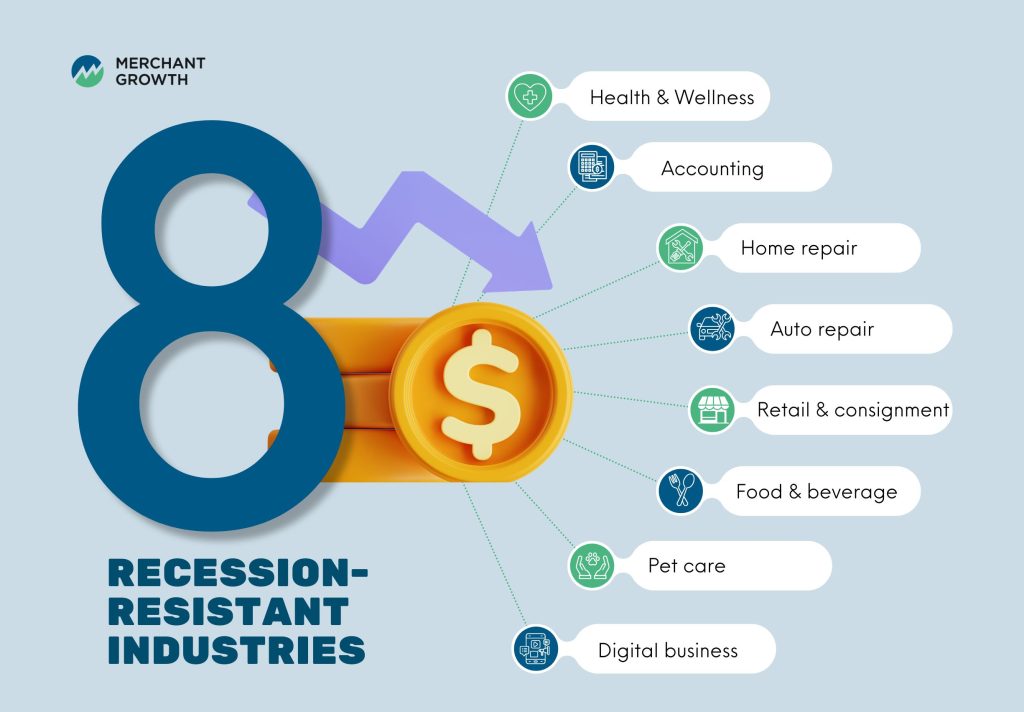
Recession-Resistant Businesses That Tend to Perform Better During Economic Slowdowns
While no business is completely immune to economic downturns, some industries tend to remain more stable because they provide essential services, practical value, or recurring customer demand. During recessions, consumers often prioritize affordability, maintenance, and necessity-based spending over luxury purchases.
Businesses that perform more consistently during uncertain periods are often those that solve everyday problems or help customers manage financial pressure more effectively.
Healthcare and Wellness Businesses
Healthcare and wellness businesses are often considered some of the most recession-resistant industries because medical and wellness needs continue regardless of economic conditions. While consumers may reduce discretionary spending in other areas, healthcare services are typically viewed as necessary expenses.
Examples of recession-resistant healthcare and wellness businesses include:
- Physiotherapy clinics
- Mental health counselling services
- Dental practices
- Chiropractic clinics
- Home healthcare providers
- Wellness and rehabilitation centres
Mental health and wellness services can also see increased demand during uncertain periods as financial stress and anxiety rise. Many healthcare businesses benefit from recurring appointments and long-term patient relationships, which can create more predictable revenue during downturns.
Accounting and Bookkeeping Services
Economic slowdowns often increase demand for accounting and bookkeeping services because businesses become more focused on budgeting, forecasting, tax planning, and financial visibility.
Examples of recession-resistant financial service businesses include:
- Bookkeeping firms
- Tax preparation services
- Payroll management companies
- Fractional CFO services
- Business accounting firms
- Financial consulting services
During periods of uncertainty, many businesses rely more heavily on financial professionals to help manage cash flow, reduce expenses, and make strategic operational decisions.

Home and Appliance Repair Businesses
Repair and maintenance businesses often remain stable during recessions because consumers delay expensive purchases and instead invest in maintaining what they already own.
Examples of recession-resistant home repair businesses include:
- Appliance repair companies
- HVAC services
- Plumbing businesses
- Electrical repair companies
- Handyman services
- Roofing and maintenance contractors
- Home cleaning and maintenance businesses
These businesses solve immediate household problems that consumers cannot easily postpone. Essential repairs related to heating, plumbing, appliances, or home safety typically remain necessary regardless of economic conditions.
Auto Repair and Maintenance Businesses
Vehicle maintenance is another industry that often performs consistently during economic downturns. When consumers postpone buying new vehicles, they usually invest more in maintaining their current cars to extend their lifespan.
Examples of recession-resistant automotive businesses include:
- Auto repair shops
- Tire and brake service providers
- Oil change and maintenance businesses
- Collision repair centres
- Mobile mechanic services
- Auto parts retailers
Reliable transportation remains essential for many Canadians, particularly in areas with limited public transit. This helps create ongoing demand for maintenance and repair services even during slower economic periods.
Discount Retail and Consignment Businesses
During recessions, consumers often become more price-conscious and focused on maximizing value. Discount retailers and consignment businesses can benefit as shoppers look for affordable alternatives to traditional retail purchases.
Examples of recession-resistant value-focused retail businesses include:
- Discount stores
- Dollar stores
- Thrift and consignment shops
- Used furniture retailers
- Liquidation businesses
- Discount grocery stores
- Online resale marketplaces
Second-hand shopping and discount purchasing often become more normalized during economic slowdowns, creating opportunities for businesses positioned around affordability and value.
Food and Beverage Businesses
Food spending remains essential during recessions, although consumer behaviour within the industry often shifts toward affordability and convenience. Customers may reduce luxury dining and prioritize budget-friendly options instead.
Examples of recession-resistant food and beverage businesses include:
- Grocery and convenience stores
- Budget-friendly restaurants
- Quick-service restaurants
- Meal prep and takeout businesses
- Coffee shops
- Wholesale food suppliers
- Catering companies focused on essential or corporate events
Food & Beverage and Foodservice businesses were also among the top industries represented in Merchant Growth’s survey findings, highlighting how closely operators are monitoring changing consumer spending patterns.
Businesses in this category often perform best during downturns when they focus on pricing strategy, customer loyalty, and operational efficiency.
Pet Care Businesses
Pet care businesses tend to remain relatively stable because many consumers continue prioritizing spending on pets even during periods of financial uncertainty. For many households, pet-related expenses are viewed as necessary rather than optional.
Examples of recession-resistant pet care businesses include:
- Veterinary clinics
- Pet grooming businesses
- Pet food retailers
- Dog walking services
- Pet daycare providers
- Mobile grooming companies
- Online pet supply stores
Recurring customer behaviour also supports stability within this industry because pet owners continue purchasing food, medications, and essential care products consistently.
Ecommerce and Digital Businesses
Ecommerce and digital businesses can offer advantages during economic slowdowns because they often operate with lower overhead costs and greater flexibility than traditional brick-and-mortar businesses.
Examples of recession-resistant ecommerce and digital businesses include:
- Ecommerce retailers
- Subscription box companies
- Digital marketing agencies
- Online education platforms
- SaaS businesses
- Freelance and digital service providers
- Content creation and media businesses
Digital businesses often benefit from:
- Lower physical operating costs
- Broader customer reach
- Flexible marketing opportunities
- Automation and scalability
- Faster adaptation to changing trends
Businesses with strong digital infrastructure are often better positioned to remain agile as customer behaviour evolves during uncertain economic periods.
How Recessions Affect Small Businesses
Even recession-resistant businesses still face challenges during economic downturns. Slower consumer spending, tighter budgets, and changing purchasing habits can create pressure across many industries.
Cash flow management often becomes one of the biggest concerns for small businesses during recessions. Revenue may become less predictable while expenses remain relatively fixed, forcing businesses to make difficult operational decisions.
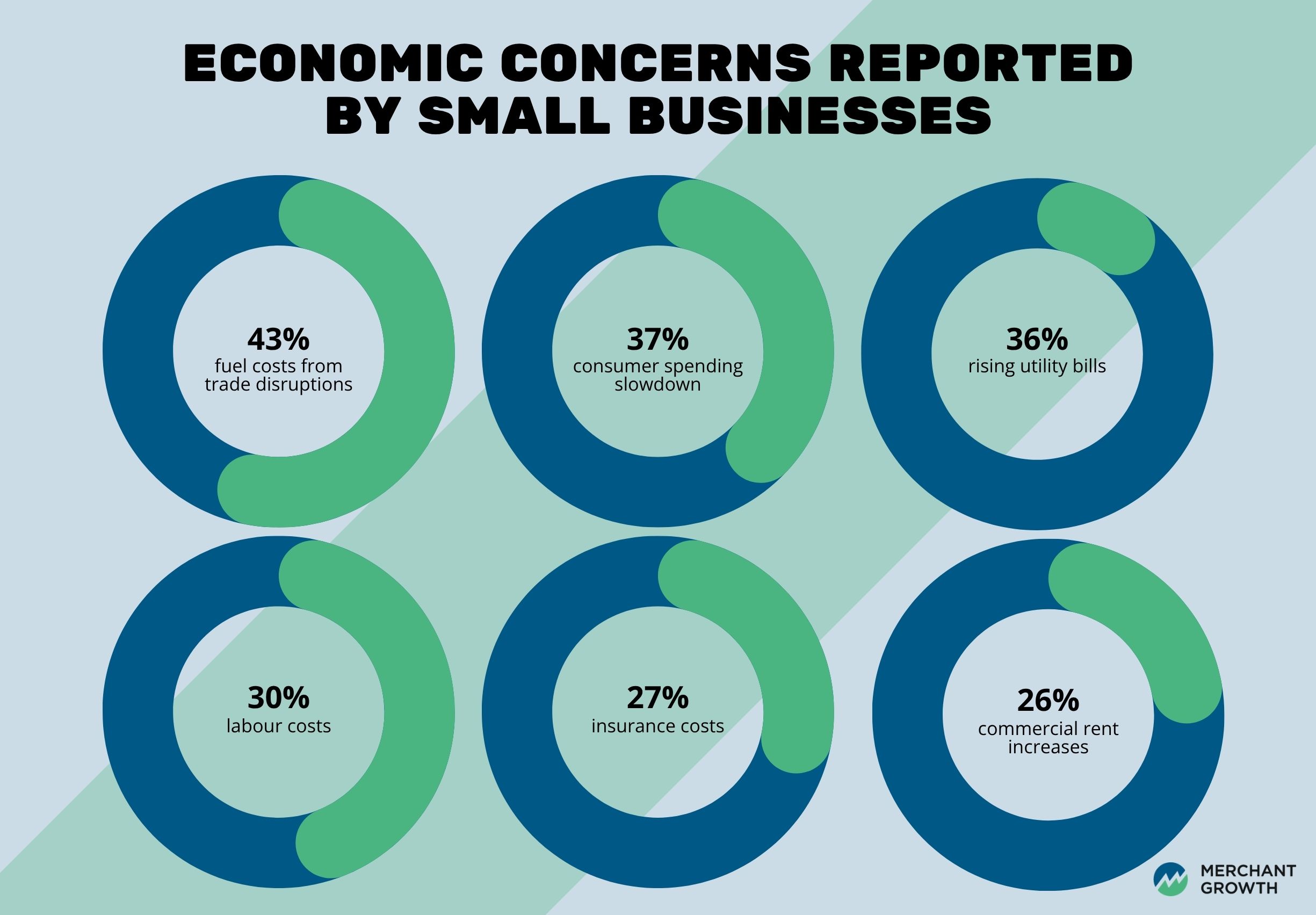
Merchant Growth survey findings identified several major concerns businesses are already experiencing:
- Fuel costs from trade disruptions — 43%
- Consumer spending slowdown — 37%
- Rising utility bills — 36%
- Labour costs — 30%
- Insurance costs — 27%
- Commercial rent increases — 26%
Inventory planning can also become more difficult during slower economies because businesses need to balance maintaining supply while avoiding unnecessary overhead costs.
Economic slowdowns can create pressure even for stable businesses, which is why preparation and strategic planning are so important.

How Small Businesses Can Prepare for a Recession
Preparing for a recession is not about panic-driven cost-cutting. It is about strengthening business resilience so operations remain stable even if economic conditions become more challenging.
Strengthen Cash Flow Management
Cash flow becomes increasingly important during economic slowdowns. Businesses should closely monitor expenses, improve budgeting practices, maintain financial visibility, and avoid unnecessary spending where possible.
Building stronger financial reserves and managing inventory strategically can also help businesses remain more flexible during uncertain periods.
Focus on Customer Retention
Retaining existing customers is often more cost-effective than constantly acquiring new ones during slower economies. Businesses that prioritize communication, customer experience, and value delivery are often better positioned to maintain stable revenue.
Strong customer relationships can also create more repeat business and referrals when consumers become more selective with spending.
Diversify Revenue Streams
Businesses relying too heavily on a single customer base, product category, or sales channel may be more vulnerable during recessions. Expanding services, adding ecommerce capabilities, or reaching new customer segments can improve stability and reduce financial risk.
Diversification also creates greater flexibility if customer behaviour shifts unexpectedly.
Improve Operational Efficiency
Businesses that streamline workflows, reduce unnecessary expenses, and invest in automation can often operate more effectively during uncertain periods.
Digital tools and operational improvements may also reduce administrative workload while improving scalability and customer experience long-term.
Stay Flexible and Adaptable
Economic conditions can change quickly during recessions. Businesses that monitor customer behaviour closely and remain willing to adjust pricing, offerings, or operational strategies are often more successful in adapting to change.
Flexibility is one of the biggest competitive advantages small businesses have during uncertain economic conditions.
What Companies Can Withstand a Recession?
Businesses that withstand recessions successfully are not necessarily businesses that avoid challenges entirely. More often, they are businesses that adapt effectively when conditions change.
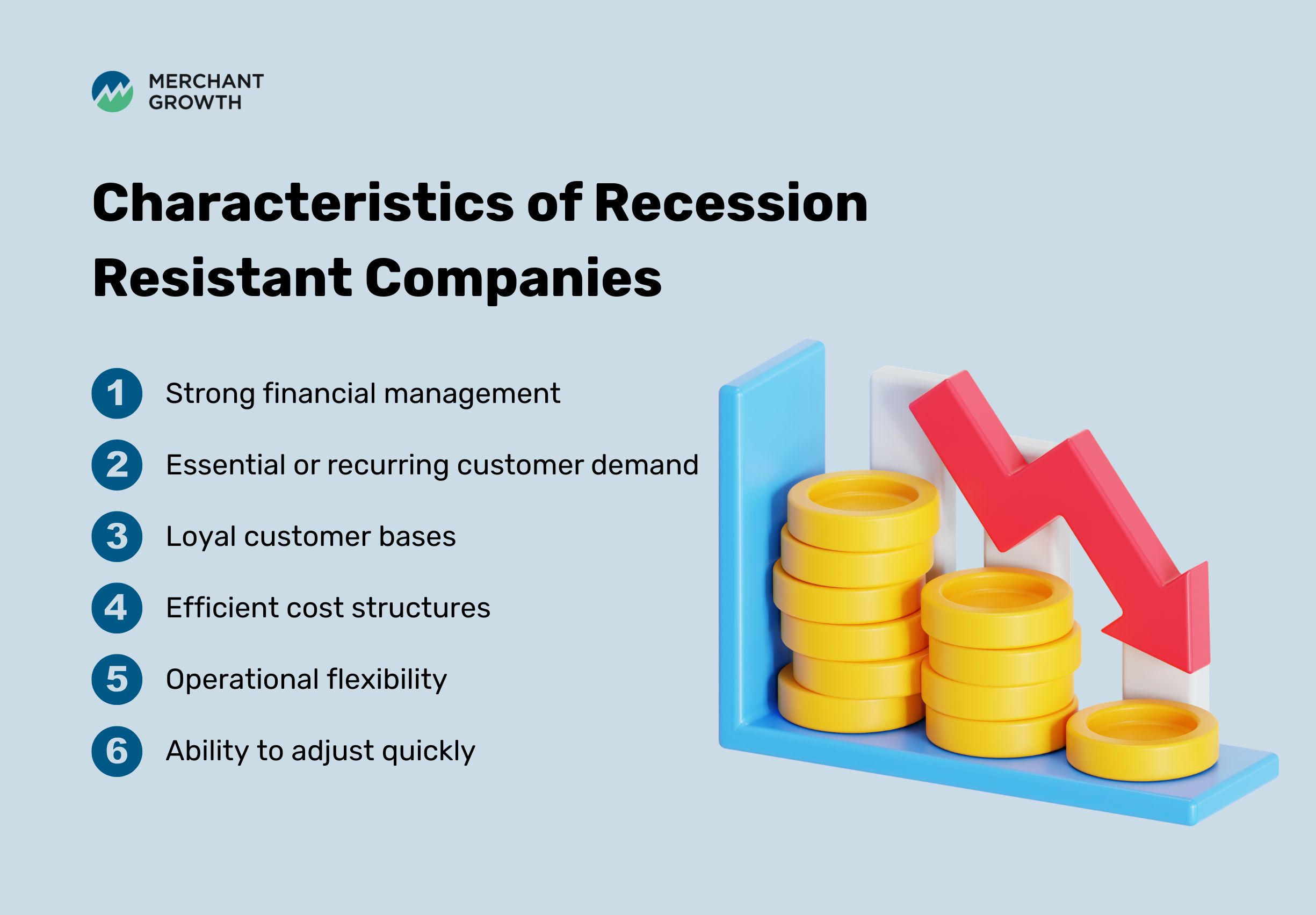
Companies that tend to remain more stable during recessions often share several characteristics:
- Strong financial management
- Essential or recurring customer demand
- Loyal customer bases
- Efficient cost structures
- Operational flexibility
- Ability to adjust quickly to changing market conditions
Businesses that balance operational efficiency with strong customer experience are often better positioned to maintain stability during uncertain economic periods.
Adaptability matters more than perfection during recessions. Companies that respond strategically to changing economic conditions usually perform better than businesses that resist change or delay adjustments too long.
How Merchant Growth Helps Businesses Navigate Economic Uncertainty
Economic uncertainty can place significant pressure on small business operations and growth plans. Many entrepreneurs are balancing rising costs, slower spending, and tighter margins while still trying to invest in the future of their business.
Financial flexibility can help businesses maintain stability while continuing to invest strategically in operations and growth opportunities.
Access to financing may help businesses:
- Strengthen cash flow
- Purchase inventory
- Invest in operational improvements
- Improve ecommerce and digital capabilities
- Support customer retention initiatives
- Expand into new revenue opportunities
Merchant Growth helps Canadian small businesses access flexible financing solutions designed to support long-term resilience and sustainable growth. Whether businesses are managing short-term challenges or preparing for future opportunities, proactive planning and financial flexibility can help entrepreneurs navigate uncertainty with greater confidence.