

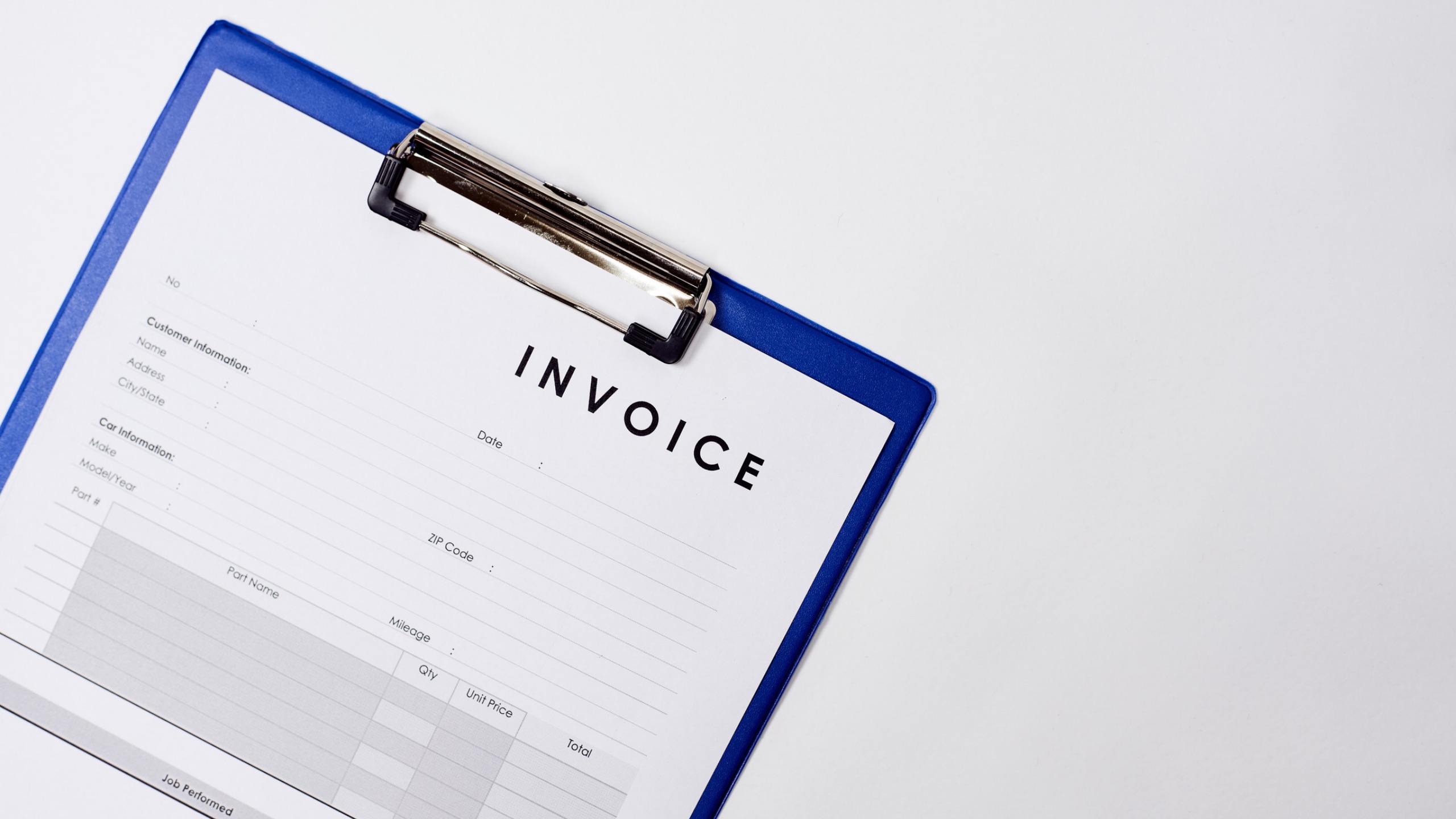
An invoice and a receipt can contain some of the same information, but they represent two different points in a transaction. An invoice requests payment from a customer, while a receipt confirms that payment has been made. If a business provides a service today and gives the customer 30 days to pay, it may send an invoice now and provide or record proof of payment once the money is received.
The easiest way to understand the difference is to follow the money through a typical transaction:
- Sale or Service
- Invoice
- Payment
The invoice documents what the customer owes, the payment moves the money from the customer to the business and the receipt provides a record of the completed payment. Depending on how and when a customer pays, a business may use both an invoice and a receipt during the same transaction.
Understanding where each document fits isn't only useful for keeping paperwork organized. It helps a business distinguish between sales it has made, money customers still owe and cash it has collected. That distinction becomes particularly important for businesses that invoice customers and wait days or weeks for payment.
Invoice vs. Receipt at a Glance
The main difference between an invoice and a receipt is the status of the payment they document. An invoice generally shows an amount that needs to be paid, while a receipt records an amount that has already been paid. Here's how the two compare across a typical business transaction.
| Invoice | Receipt | |
|---|---|---|
| Main purpose | Request or document payment owed | Confirm payment received |
| When it's issued | Generally before payment | After payment |
| Payment status | Usually outstanding | Completed |
| Key amount | Amount due | Amount paid |
| Important dates | Invoice date and payment due date | Transaction or payment date |
| Accounting role | Helps track sales and accounts receivable | Helps document completed payments |
| Used by | Business and customer | Business and customer |
An invoice and receipt can therefore relate to the exact same sale without being interchangeable documents. One records the financial obligation created by the transaction, while the other provides evidence that the obligation has been settled. Looking at both can give a business a more complete picture of where a transaction currently stands.
What Is an Invoice?
An invoice is a document a business sends to a customer outlining goods or services provided and the amount the customer owes. Invoices are particularly common when payment isn't collected immediately, such as when a contractor completes work for a client, a supplier sells to another business on payment terms or when a freelancer bills at the end of a project. The invoice creates a clear record of what was provided, how much is due and when the customer is expected to pay.
From an accounting perspective, an invoice can also create an amount in accounts receivable, which simply means money customers owe the business. That amount may count toward sales or revenue depending on the business's accounting method, but the cash hasn't necessarily arrived yet. Until the customer pays, the business can't use that outstanding invoice to cover an expense sitting in its bank account.
Imagine a contractor completes a $5,000 project on September 1 and gives the customer 30 days to pay. The contractor sends an invoice documenting the work, the $5,000 amount due and the payment deadline. The invoice tells both parties exactly what is owed but sending it doesn't put $5,000 into the contractor's bank account.
What Information Is Typically Included on an Invoice?
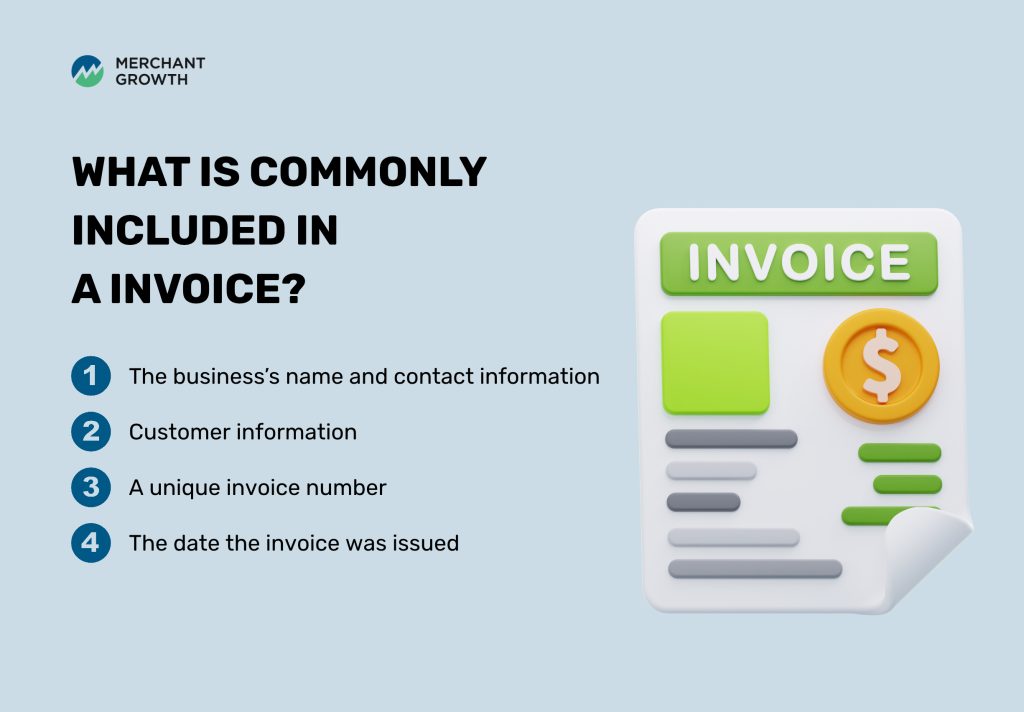
A clear invoice should give the customer enough information to understand the transaction and make the payment correctly. Although the exact requirements can depend on the business and transaction, invoices commonly include:
- The business's name and contact information
- Customer information
- A unique invoice number
- The date the invoice was issued
They should also clearly describe the products or services being billed.
The financial details typically include quantities or rates where applicable, the subtotal, applicable taxes and the total amount due. Payment terms and the due date tell the customer when payment is expected, while payment instructions explain how it can be made. Including these details consistently can also make invoices easier for the business to track and reconcile later.
Canadian businesses also need to consider applicable GST/HST requirements when preparing invoices and maintaining their records. The information required can vary depending on the transaction and amount, so businesses should make sure their invoicing practices reflect the tax and record-keeping requirements that apply to them. This is especially important when customers may need the documentation to support their own business records or input tax credit claims.
What Is a Receipt?
A receipt is documentation confirming that a payment or transaction has been completed. It provides a record for both the customer and business showing that money was received in connection with a particular purchase or service. Rather than showing an outstanding balance, it helps document the completed financial side of the transaction.
Returning to our contractor, suppose the customer pays the $5,000 invoice on September 25. The contractor records that payment and can provide documentation showing that the $5,000 has been paid. The transaction has now moved from money owed to money received, and the business's records should reflect that change.
Receipts are also common in transactions where no traditional invoice is required. If someone buys an item from a retailer and pays immediately at checkout, there may never be a period when the business needs to formally request payment later. The receipt can simply document the purchase and payment that occurred at the same time.
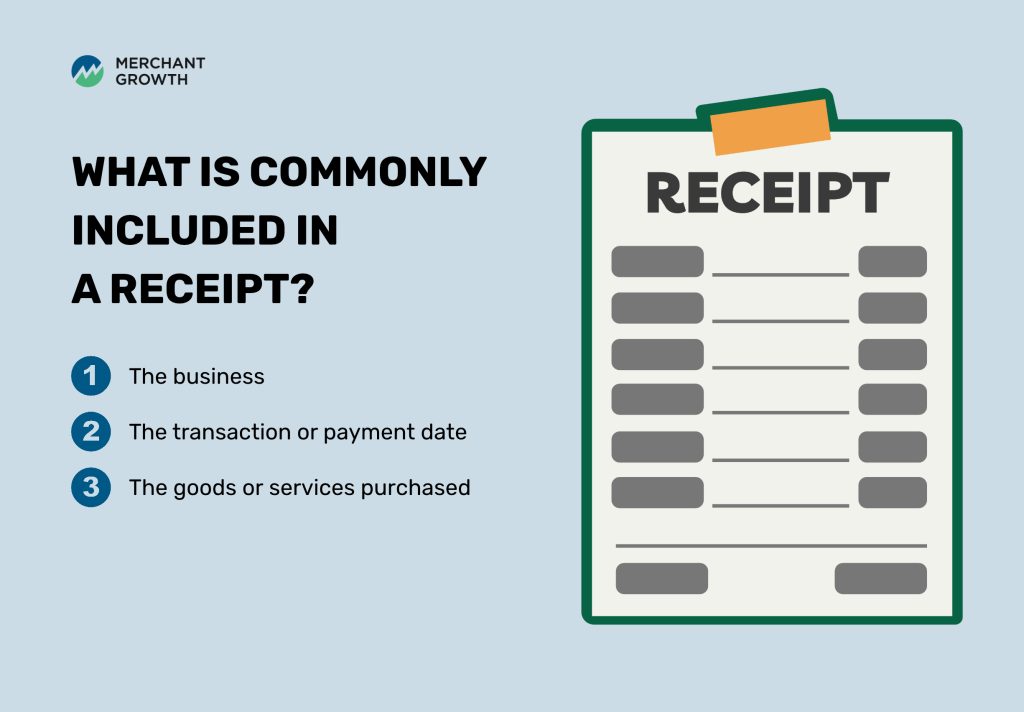
What Information Is Included on a Receipt?
A receipt generally identifies
- The business
- The transaction or payment date
- The goods or services purchased
It should also show the amount paid and applicable taxes so there is a clear record of the financial transaction. Depending on the payment method and business system, it may also include a payment method, transaction reference or other identifying information.
The specific information required will depend on the nature of the transaction and any applicable tax or record-keeping requirements. What matters from a practical bookkeeping perspective is that the record can be connected back to the payment and underlying purchase. Someone reviewing the transaction later should be able to understand what the payment was for, how much was paid and when it occurred.
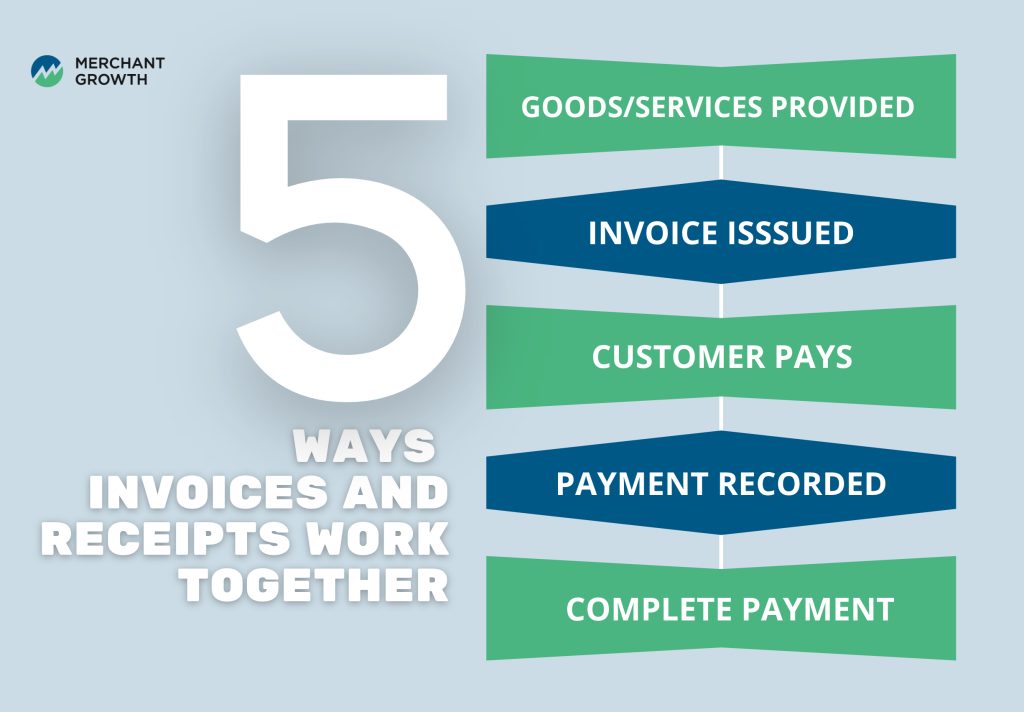
How Do an Invoice and Receipt Work Together?
Instead of thinking of an invoice and receipt as competing documents, it is more useful to think about where each belongs within the life of a sale. For businesses that allow customers to pay after goods or services have been provided, there can be several distinct steps between making the sale and having the money available. Following those steps makes it easier to see what each document contributes.
Goods or services are provided.
The business completes work or makes a sale to the customer. At this point, the business has delivered something of value, but payment may still be outstanding.
An invoice is issued.
The business documents what the customer owes, provides the relevant transaction details and establishes when payment is expected. The amount can now be tracked as outstanding until the customer pays.
The customer pays.
Money actually moves from the customer to the business. This is the point when an amount that previously existed as an outstanding customer balance becomes money the business has collected.
The payment is recorded.
The business updates its records so the invoice no longer appears as unpaid. Recording payments accurately prevents the business from chasing customers for money they've already sent and helps keep accounts receivable current.
The completed payment is documented.
A receipt or other appropriate proof of payment provides a record that the transaction was completed. Both the business and customer can then maintain documentation showing what was purchased and what was paid.
Not every transaction needs to move through all five steps separately. A customer purchasing a $50 product and paying immediately at checkout doesn't usually need a traditional invoice requesting payment first. A service business giving customers 30-day terms, however, needs a reliable way to track the period between delivering the service and collecting the money.
Do You Need a Receipt If You Already Have an Invoice?
Having an invoice doesn't necessarily provide the same information as having evidence of payment. An invoice can establish what a customer was charged, but if it still shows an outstanding amount, it doesn't demonstrate that the customer actually paid it. Maintaining a clear record of payment can therefore be important for both sides of the transaction.
For example, an invoice showing Amount Due: $1,000 tells you that the customer has a $1,000 obligation. Documentation showing Paid: $1,000 on September 15 tells you that the obligation was fulfilled and when the payment occurred. If a question comes up months later, the second piece of information can be just as important as knowing what was originally charged.
Whether a business needs to generate a separate receipt will depend on the transaction and the system it uses. Some point-of-sale and accounting systems automatically create payment confirmations, while others update the original invoice once payment is received. The important part is maintaining records that make the payment status clear rather than assuming the original invoice alone proves that money changed hands.
Can an Invoice Be Used as a Receipt?
An unpaid invoice shouldn't be treated as proof of payment because it only establishes that an amount was charged or owed. However, modern accounting systems can make the distinction less visually obvious than it once was. Some systems update an invoice after payment to show that the balance has been paid in full and include details about when or how the payment was received.
In those circumstances, a paid invoice containing appropriate payment information may provide evidence that payment occurred. Other businesses may still generate or maintain a separate receipt or payment record instead. The exact document format matters less than having reliable records that clearly communicate the status of the transaction.
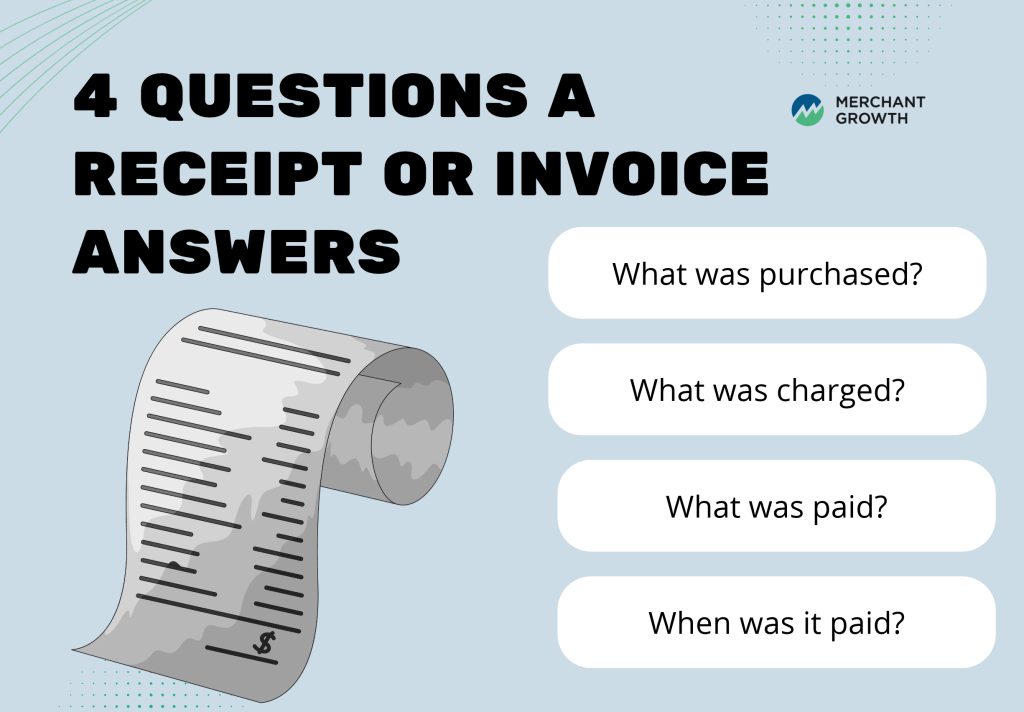
A useful practical rule is to make sure your documentation can answer four questions:
- What was purchased?
- What was charged?
- What was paid?
- When was it paid?
If a paid invoice contains enough information to answer those questions, it may serve both purposes within a particular system. The general distinction remains useful, though: an invoice establishes an amount owed, while a receipt or payment record establishes that the money was received.
Invoice vs. Receipt vs. Bill: What's the Difference?
The words bill and invoice are sometimes used to describe the same underlying obligation from different perspectives or in different business contexts. A service provider might send a customer an invoice, while the customer thinks of that document as a bill that needs to be paid. Both generally communicate that money is owed.
A restaurant provides an easy example. At the end of the meal, you're given a bill showing what you owe, then you make the payment. The receipt you receive documents the completed transaction afterward.
The terminology can vary by industry and situation, so businesses don't necessarily need to get caught up in whether every payment request is technically called a bill or invoice. What matters for the purpose of financial records is being able to distinguish an outstanding obligation from a completed payment. A receipt remains useful because it documents the latter.
Why the Difference Matters for Your Bookkeeping
Invoices and receipts aren't simply documents exchanged with customers. They also provide different information that helps a business maintain accurate financial records. Keeping that information organized makes it easier to see what has been sold, which customers still owe money, and which payments have already been collected.
Invoices can help track sales, customer balances, payment due dates and outstanding accounts. For businesses that extend payment terms, this information forms part of accounts receivable and can show how much money is still expected from customers. Reviewing outstanding invoices can also help identify overdue accounts that require follow-up.
Receipts and other payment records show when those outstanding amounts turn into completed payments. They can support account reconciliation, customer payment histories and financial records by helping the business match money entering an account with the transaction it belongs to. This is particularly useful when multiple customers are paying invoices at different times throughout the month.
Together, these records allow a business to follow a transaction from sale through collection without confusing the different stages. Making a sale, invoicing the customer and collecting the money are related events, but they don't always happen at the same time. Good bookkeeping preserves those distinctions, so the business knows exactly where each transaction stands.
An Invoice Isn't the Same as Cash in the Bank
Outstanding invoices can create a misleading picture if a business looks only at sales without also considering how much money has actually been collected. Imagine a business invoices customers for $50,000 this month but has received only $30,000 of those payments so far. The remaining $20,000 may be expected from customers, but it isn't currently available to pay employees, suppliers, rent or other immediate expenses.
This is why businesses that offer payment terms should monitor both what customers owe and what has been received. A growing accounts receivable balance can represent successful sales, but it can also create cash pressure when customers take longer to pay than the business takes to incur its own expenses. Understanding the difference helps owners make decisions based on available cash rather than assuming every dollar invoiced is already accessible.
That doesn't mean offering payment terms is inherently a problem. Many businesses routinely operate with a gap between delivering work and collecting payment. The important part is knowing how large that gap is and accounting for it when planning upcoming financial obligations.
How to Keep Invoices, Payments and Receipts Organized
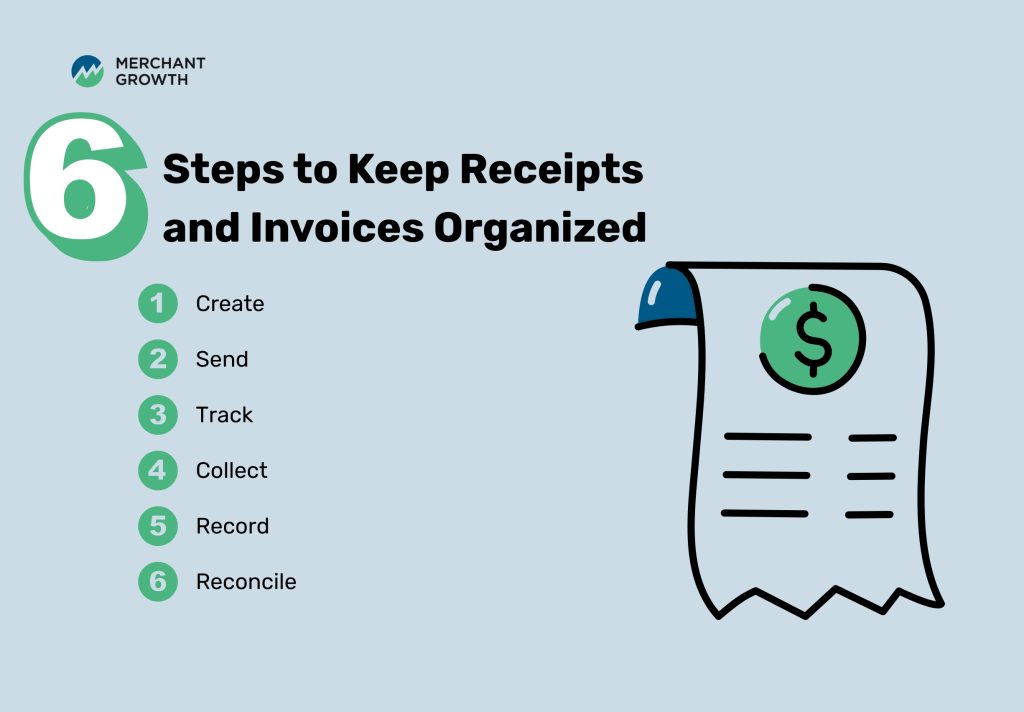
A consistent process makes it easier to understand the status of customer payments without having to piece together information from emails, bank transactions and individual documents. Start by numbering invoices consistently, sending them promptly and making payment terms and due dates easy for customers to understand. Once invoices have been sent, track which ones remain outstanding rather than waiting for overdue balances to become obvious.
When a payment arrives, record it against the appropriate invoice as soon as reasonably possible. Maintain clear proof of payment and make sure the amount received, transaction date and applicable tax information are reflected accurately in your records. Regularly reconciling invoices against payments can help identify missing transactions, partial payments or balances that should no longer be showing as outstanding.
Accounting and invoicing software can make this workflow easier by connecting several stages in one system. Depending on the platform, a business may be able to create and send an invoice, monitor its status, record the customer's payment and maintain the corresponding transaction documentation. The goal isn't to add technology for its own sake, but to create a system where the business can quickly determine what's been billed, what's still outstanding and what's already been paid.
A useful workflow to remember is
- Create
- Send
- Track
- Collect
- Record
Each step moves the transaction forward while keeping the financial records aligned with what actually happened. Following the same process consistently becomes increasingly valuable as the number of customers and transactions grows.
Invoice vs. Receipt: Remember the Payment Timeline
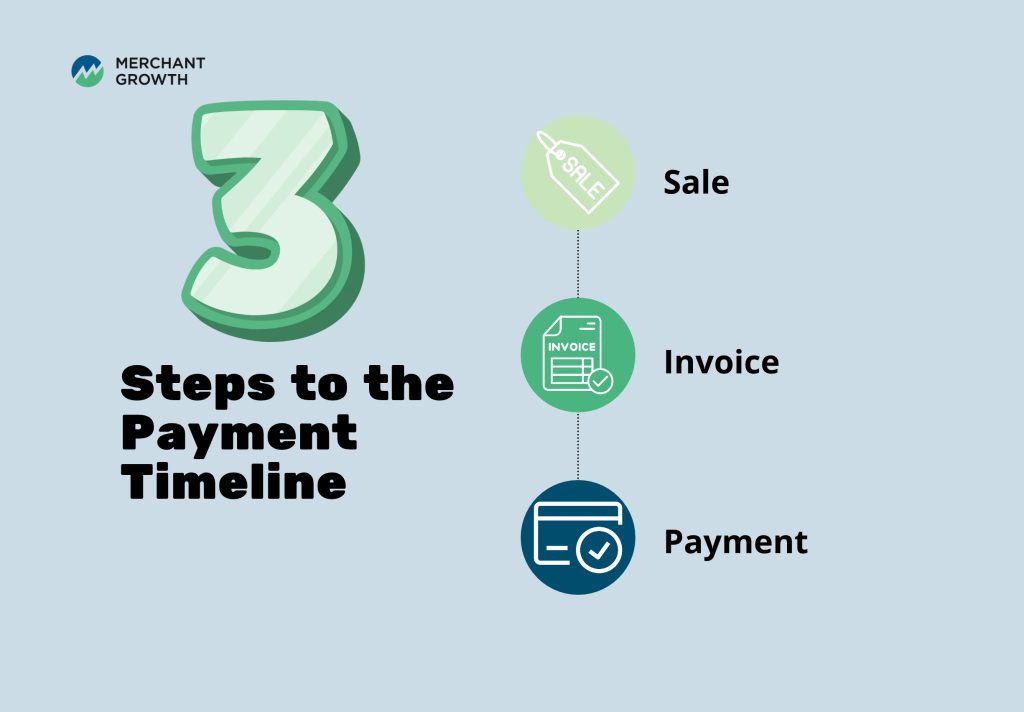
The simplest way to remember the difference between an invoice and receipt is to follow the transaction:
- Sale
- Invoice
- Payment
An invoice tells you what is owed, while a receipt tells you what was paid. Depending on how a business collects payments, those stages may happen seconds apart or several weeks apart.
Keeping each stage organized gives business owners a clearer view of both outstanding customer payments and money already received. It also makes bookkeeping, reconciliation and record keeping easier because transactions can be followed from the original sale through to the completed payment. Good financial documentation isn't simply administrative paperwork; it helps owners understand where their money stands.

When You're Waiting for Customer Payments
Even with a strong invoicing process, businesses that offer payment terms can experience a natural delay between completing work and receiving the resulting cash. That timing becomes more significant when payroll, inventory purchases, supplier invoices or other operating expenses are due while substantial customer invoices remain outstanding. For an established business, growth can add further pressure when expenses increase before the additional revenue has been collected.
Strong invoicing and payment processes can help reduce unnecessary delays and give business owners better visibility into what they're owed. They can't eliminate every timing gap, particularly when longer payment terms are a normal part of doing business with customers. Understanding what has been invoiced, what has been collected and when remaining payments are expected makes it easier to determine whether a gap is temporary or requires a broader change.
When an established Canadian business identifies a temporary cash-flow gap or a planned investment that requires capital before incoming revenue arrives, working capital can provide additional flexibility. Merchant Growth offers flexible business financing that can support needs such as inventory, equipment, payroll, marketing and other business investments. Explore Merchant Growth's business financing options to see what may be available for your business.