


Small Business BC Guide: How to Start and Grow a Business in British Columbia
Starting a business in British Columbia can feel both exciting and overwhelming at the same time. From choosing the right business idea to registering the company, finding funding, and attracting customers, there are countless moving pieces that entrepreneurs need to navigate in the early stages of building a business. For many first-time founders, it can be difficult knowing where to start or which steps matter most.
At the same time, British Columbia continues to be one of the strongest provinces in Canada for entrepreneurship and small business growth. BC has more small businesses per capita than any other province, and small businesses employed 41% of BC’s workforce in 2022. From Vancouver’s growing technology sector to tourism, trades, ecommerce, agriculture, wellness, and professional services, entrepreneurs across the province continue to create businesses that support both local communities and the broader economy.
This guide breaks down everything entrepreneurs need to know about starting and growing a small business in BC, including how to choose a business idea, register a business, access grants and funding, navigate common challenges, and build a stronger foundation for long-term growth.
Key Takeaways
- BC has one of the strongest small business ecosystems in Canada
- Choosing the right business idea starts with market demand, skills, and long-term sustainability
- Registering a business in BC involves business structure selection, licensing, and tax registration
- Small business grants, loans, and funding programs are available throughout British Columbia
- Networking, mentorship, and entrepreneur resources can help businesses grow faster
- Digital tools and operational flexibility are becoming increasingly important for long-term success
- Building a sustainable business requires planning, financial management, and adaptability over time

Why British Columbia Continues to Be a Strong Province for Small Businesses
British Columbia has long been recognized as one of Canada’s strongest provinces for entrepreneurship. The province supports a diverse economy that includes tourism, technology, natural resources, construction, professional services, retail, agriculture, health and wellness, and ecommerce. This diversity creates opportunities for entrepreneurs across a wide range of industries and business models.
One of BC’s biggest advantages is the variety of markets available to entrepreneurs. Large urban centres like Vancouver and Victoria provide access to larger customer bases, startup communities, and innovation networks, while smaller communities throughout the province continue to create opportunities for local service businesses, trades, tourism, and niche markets. Entrepreneurs are often able to tailor their business ideas around regional needs and local demand rather than competing solely in oversaturated national markets.
British Columbia also has a strong network of entrepreneur resources and support organizations. Business owners can access mentorship programs, educational workshops, funding resources, startup incubators, and networking communities designed specifically to support small business growth. These resources can make the startup process feel far less isolating, especially for first-time entrepreneurs navigating unfamiliar territory.
At the same time, entrepreneurship in BC still comes with challenges. Rising operating expenses, commercial rent costs, and staffing shortages can place pressure on growing businesses. However, entrepreneurs who build flexible business models and strong operational foundations are often better positioned to adapt and grow successfully over time.

Choosing the Right Business Idea in BC
One of the biggest mistakes entrepreneurs make is choosing a business idea based entirely on trends or short-term hype. While market trends can inspire, long-term business success usually depends on finding an idea that aligns with customer demand, personal strengths, operational sustainability, and realistic financial expectations.
The strongest business ideas often solve a clear problem or fulfill an ongoing need within a community or industry. Entrepreneurs should consider factors such as startup costs, competition levels, customer demand, lifestyle goals, and long-term scalability before committing to a business concept. In many cases, the most sustainable businesses are not necessarily the trendiest ones. They are the businesses that consistently provide value and can adapt as markets evolve.
BC’s economy creates opportunities across multiple industries, particularly for businesses tied to local services, tourism, digital work, health and wellness, trades, and online commerce. Entrepreneurs who understand regional demand and changing consumer behaviour are often better equipped to identify opportunities with long-term potential.
Small Business Ideas BC Entrepreneurs Are Exploring
Many entrepreneurs in BC are building businesses around industries that offer flexibility, recurring customer demand, and lower startup overhead. Service-based businesses remain especially popular because they often require lower upfront investment while allowing entrepreneurs to scale gradually over time.
At the same time, the best business idea is rarely about simply following trends. Long-term success usually depends on understanding market demand, operational costs, customer needs, and how sustainable the business will be over time. Entrepreneurs who choose business models aligned with both their skills and local opportunities are often better positioned for long-term growth.

Home Services and Skilled Trades
Home services and skilled trades continue to be some of the strongest small business opportunities in British Columbia. Population growth, housing demand, renovations, and ongoing infrastructure development continue creating demand for businesses tied to residential and commercial property maintenance.
Businesses like:
- Electrical work
- Plumbing
- HVAC services
- Landscaping
- Cleaning services
- Painting
- Handyman businesses
- Renovation companies
remain in high demand throughout many BC communities. These businesses often benefit from recurring customer needs and strong word-of-mouth referrals, especially when service quality and reliability are consistent.

Tourism and Hospitality Businesses
Tourism remains a major part of British Columbia’s economy, creating opportunities for entrepreneurs interested in hospitality, travel, food, and local experiences. BC’s natural landscapes, outdoor recreation, wineries, ski destinations, and coastal communities continue attracting both domestic and international visitors throughout the year.
Entrepreneurs are exploring opportunities such as:
- Boutique accommodations
- Guided tours
- Adventure tourism
- Cafes
- Food trucks
- Local experience businesses
- Event services
However, tourism businesses can also experience seasonal fluctuations, making strong planning and cash flow management especially important.

Ecommerce and Online Retail
Ecommerce businesses continue growing across BC as more consumers shop online and businesses expand beyond local markets. Online stores often allow entrepreneurs to start with lower overhead compared to traditional retail storefronts while providing flexibility to scale gradually over time.
Popular ecommerce opportunities include:
- Niche retail products
- Handmade goods
- Apparel
- Beauty products
- Wellness brands
- Subscription boxes
- Specialty food products
Many entrepreneurs are also combining ecommerce with social media marketing and content creation to build stronger direct-to-consumer brands.

Health and Wellness Services
Health and wellness businesses have become increasingly popular throughout British Columbia as consumers place greater focus on physical health, mental well-being, fitness, and preventative care. Entrepreneurs in this space are often able to build businesses around both recurring services and strong community relationships.
Examples include:
- Fitness studios
- Yoga instruction
- Counselling services
- Massage therapy
- Nutrition coaching
- Wellness clinics
- Skincare services
- Holistic health businesses
Many wellness entrepreneurs are also combining in-person services with online programs, memberships, or digital resources to create additional revenue streams.

Food and Beverage Businesses
Food and beverage businesses continue attracting entrepreneurs across BC, particularly in urban centres and tourism-driven communities. Popular start-up paths include:
- Restaurants
- Cafes
- Bakeries
- Meal prep companies
- Specialty food brands
- Breweries
- Mobile food businesses
At the same time, food businesses often face higher operational costs and tighter margins than many service-based industries. Entrepreneurs entering this space usually benefit from strong financial planning, operational efficiency, and a clearly defined customer experience from the beginning.

Professional Consulting and Freelance Services
Consulting and freelance businesses remain attractive because they often allow entrepreneurs to monetize existing skills with relatively low startup costs. Many professionals transition into self-employment after building experience in industries like marketing, finance, human resources, technology, or business operations.
Common consulting and freelance businesses include:
- Bookkeeping
- Business consulting
- Copywriting
- Graphic design
- Web development
- Photography
- Coaching
- Administrative support services
These businesses can often start part-time before scaling into full-time operations.

Digital Marketing and Creative Businesses
As businesses continue investing more heavily in digital visibility, demand for creative and digital marketing services continues growing across BC. Entrepreneurs with skills in:
- Branding
- Content creation
- Video production
- Advertising
- SEO
- Social media management
Find increasing opportunities to support local businesses.
Creative service businesses also offer flexibility because many can operate remotely or from home. This lower overhead structure allows entrepreneurs to scale gradually while building recurring client relationships over time.

Home-Based Businesses and Remote Work Opportunities
Home-based businesses continue growing in popularity throughout British Columbia, particularly as more people pursue flexible work arrangements and online business opportunities. Starting from home can help entrepreneurs reduce overhead costs while testing demand before committing to larger commercial expenses.
Popular home-based business ideas in BC include:
- Freelance writing
- Graphic design
- Consulting
- Coaching
- Virtual assistant services
- Online stores
- Content creation
- Bookkeeping
- Wellness-based businesses
Many entrepreneurs are also building successful ecommerce businesses that allow them to reach customers outside their local community.
However, entrepreneurs should still research local municipal requirements before operating from home. Some municipalities have zoning restrictions, licensing requirements, or operational limitations depending on the type of business activity taking place within residential areas.
Which Small Business Ideas Tend to Be the Most Sustainable?
The most profitable business idea is not always the one with the fastest growth potential. In many cases, businesses with manageable overhead, recurring customer demand, and strong retention strategies are often more sustainable long term.
Entrepreneurs who build businesses gradually, monitor expenses carefully, and focus on operational stability are often better equipped to navigate changing market conditions. While no business is completely risk-free, businesses that solve consistent customer problems and adapt over time usually create stronger long-term opportunities.
How to Start a Small Business in BC
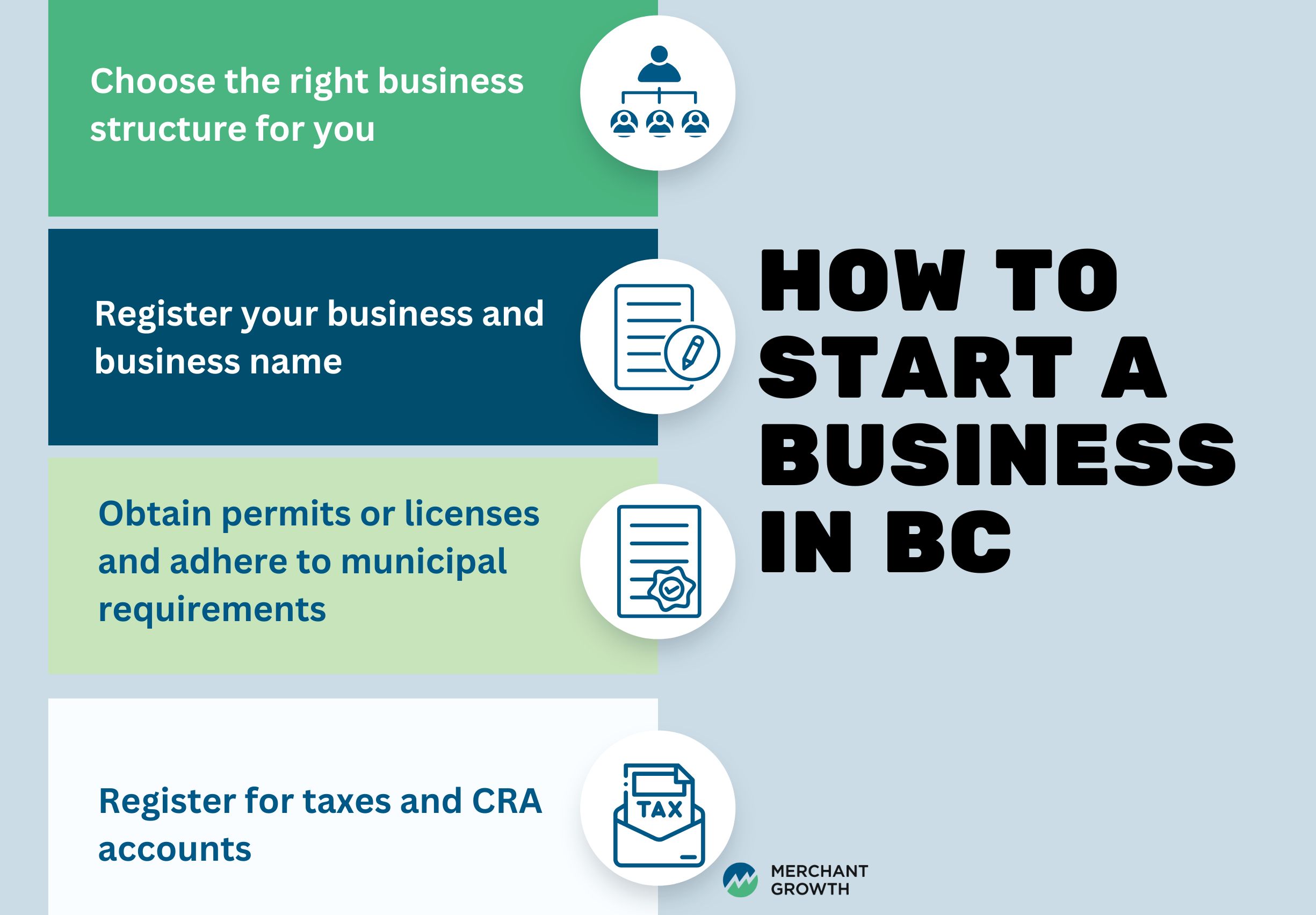
Starting a business in British Columbia involves several legal and administrative steps that help establish the business properly from the beginning. While the process can initially seem intimidating, breaking it down step by step makes it much more manageable.
Choosing the Right Business Structure
One of the first decisions entrepreneurs need to make is selecting a business structure. In BC, the most common options include sole proprietorships, partnerships, and corporations.
Sole proprietorships are often the simplest and least expensive structure for new entrepreneurs because the business and owner are legally considered the same entity. Partnerships involve two or more individuals sharing ownership responsibilities, while corporations create a separate legal entity that can provide liability protection and different tax considerations.
The right structure depends on factors like revenue expectations, liability concerns, operational complexity, and future growth plans. Many entrepreneurs consult accountants or legal professionals before making this decision, particularly if they expect significant growth or plan to hire employees later on.
Registering a Business in BC
Once a business structure has been selected, entrepreneurs may need to register their business name through BC Registry Services. Sole proprietors operating under their personal legal name may not always require registration, but businesses operating under a unique business name generally do.
The registration process typically involves submitting a business name approval request before completing registration officially. Entrepreneurs should also confirm that their desired business name is not already in use and aligns with trademark considerations where applicable.
For incorporated businesses, additional registration steps and corporate filings may be required depending on the structure selected.
Permits, Licences, and Municipal Requirements
Many businesses in BC also require municipal business licences or industry-specific permits before operating legally. Requirements vary depending on the city, municipality, and type of business involved.
Restaurants, wellness businesses, home-based operations, construction companies, and retail businesses may all face different licensing or zoning requirements. Entrepreneurs should research both provincial and municipal regulations early in the planning process to avoid delays later on.
Home-based businesses should pay particular attention to local zoning restrictions, parking considerations, and operational limitations that may apply within residential areas.
Registering for Taxes and CRA Accounts
Most businesses will also need to register for various Canada Revenue Agency accounts depending on their operations. This may include GST/HST accounts, payroll accounts, or corporate tax accounts.
Entrepreneurs should understand their tax responsibilities early, especially if they plan to hire employees or generate revenue above GST/HST thresholds. Maintaining organized bookkeeping and financial records from the beginning can help businesses avoid complications later as they grow.
The Real Challenges Small Businesses Face in BC
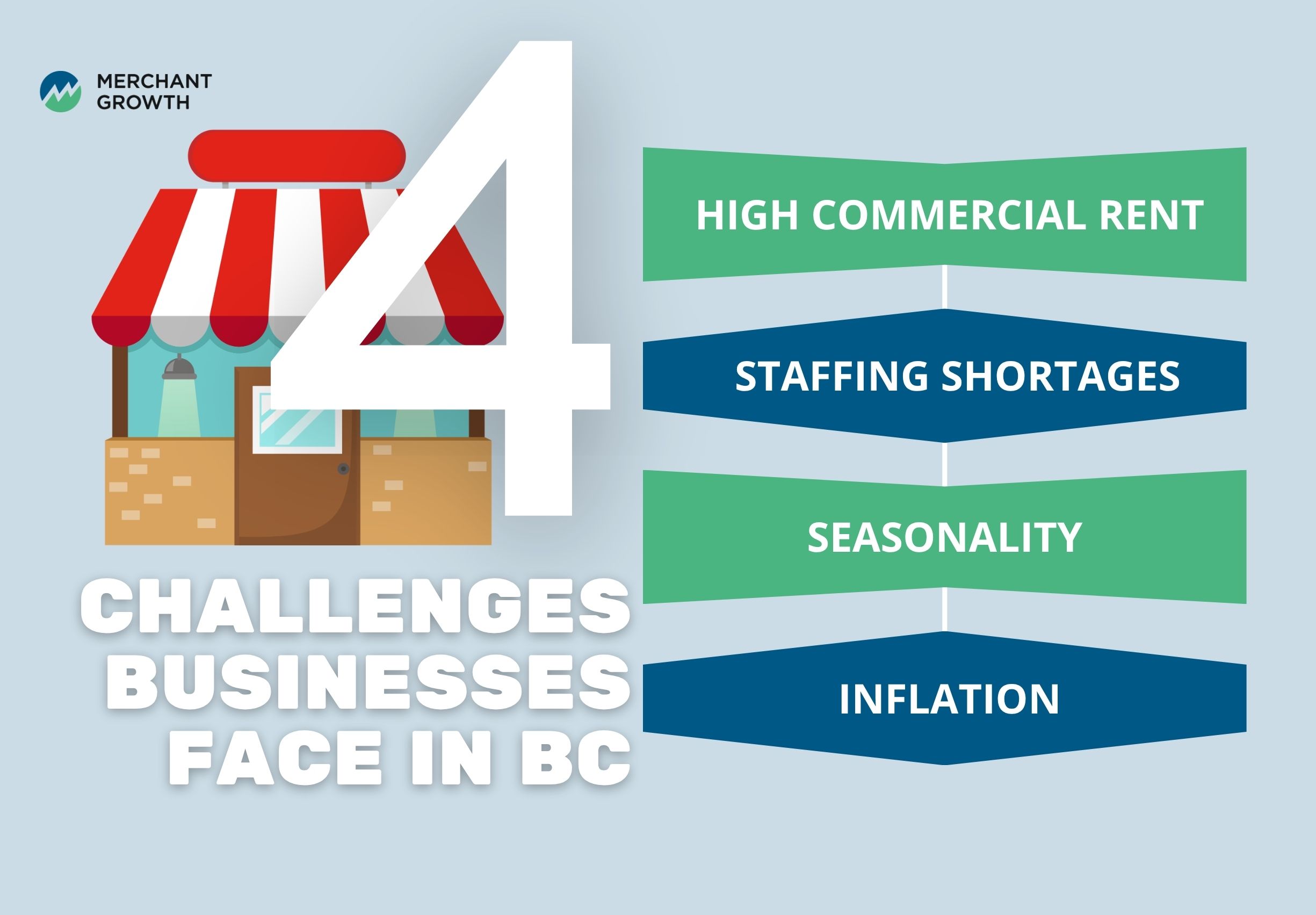
While entrepreneurship creates exciting opportunities, operating a business in British Columbia also comes with unique regional pressures. Understanding these challenges early can help entrepreneurs prepare more effectively instead of reacting to problems after they arise. Many of the most successful businesses in BC are not necessarily the ones that avoid challenges completely, but the ones that plan for uncertainty and remain flexible as conditions change.
High Commercial Rent Costs
Commercial rent remains one of the biggest financial pressures for businesses operating in larger urban centres like Vancouver and Victoria. Retail storefronts, restaurants, wellness studios, salons, and customer-facing service businesses often face especially high leasing costs, making location strategy a major part of long-term financial planning.
Lease pricing can vary significantly depending on the region, business type, and square footage requirements. In higher-demand urban areas, entrepreneurs may also face additional expenses beyond monthly rent, including property taxes, maintenance fees, utilities, parking costs, and tenant improvements. These added expenses can increase startup overhead far beyond what many first-time business owners initially budget for.
For many entrepreneurs, the challenge is not simply affording rent during strong sales periods. It is maintaining a stable cash flow during slower seasons or economic downturns when fixed lease costs remain unchanged. This is one reason many businesses in BC are exploring smaller footprints, hybrid business models, ecommerce integration, or home-based operations before committing to larger commercial spaces.
Staffing Shortages and Hiring Challenges
Staffing shortages continue to create operational pressure across many industries in British Columbia. Hospitality, retail, construction, healthcare, and skilled trades businesses throughout the province have all faced ongoing recruitment and retention difficulties in recent years.
The healthcare sector has experienced some of the most significant staffing pressures. In BC’s nursing sector, 51% of institutions reported vacancy rates exceeding 10% for Licensed Practical Nurses (LPNs), highlighting how widespread labour shortages have become across essential industries. These shortages not only impact healthcare organizations directly, but also place additional strain on surrounding industries competing for workers in already tight labour markets.
For small business owners, hiring challenges often extend beyond simply finding workers. Rising wage expectations, employee burnout, scheduling flexibility, and retention concerns have all become increasingly important operational considerations. Businesses that invest in workplace culture, flexibility, training, and long-term employee retention strategies are often better positioned to maintain operational stability.
The Instability of Seasonal Businesses
Seasonality can create additional uncertainty for businesses closely tied to the tourism, hospitality, agriculture, or outdoor recreation industries. Many businesses throughout BC experience significant fluctuations in customer demand depending on weather patterns, tourism trends, and seasonal travel activity.
For example, ski communities, coastal tourism businesses, wineries, and summer recreation companies may experience extremely busy peak seasons followed by much slower off-seasons. While strong seasonal revenue can create major growth opportunities, it can also create cash flow instability if businesses are not budgeting carefully throughout the year.
This seasonality often forces business owners to think differently about staffing, inventory management, and operational planning. Many entrepreneurs build additional revenue streams, diversify services, or rely on slower-season promotions in order to create more consistent year-round income.
Inflation and Rising Operational Expenses
Inflation and rising operating costs continue to place pressure on businesses across British Columbia. Fuel, insurance, utilities, inventory costs, transportation expenses, and supply chain disruptions have all increased operating expenses for many companies over the last several years.
At the same time, BC’s broader financial environment has created additional uncertainty for business owners. The province recently reported deteriorating finances alongside multiple new tax increases and a record-setting deficit of $13.3 billion. While these broader economic conditions do not affect every business equally, they contribute to ongoing concerns around affordability, operating costs, and long-term economic stability.
For entrepreneurs, rising expenses can quickly reduce profit margins if pricing, budgeting, and operational efficiency are not managed carefully. Businesses that regularly review expenses, improve operational systems, and maintain financial flexibility are often better equipped to adapt as economic conditions change.
The strongest businesses are usually the ones that build flexibility into their operations early. Entrepreneurs who monitor expenses carefully, maintain financial reserves, and adapt to changing market conditions are often better positioned to navigate uncertainty while continuing to grow sustainably over time.
Small Business Grants and Funding in BC
Access to funding remains one of the biggest challenges for many entrepreneurs, especially during the early stages of growth. While some businesses can launch with minimal startup costs, many eventually require additional capital for equipment, inventory, staffing, marketing, renovations, or operational expansion.

BC Small Business Grants and Government Programs
British Columbia offers a variety of grants and funding opportunities for entrepreneurs depending on the industry, location, and stage of business growth. Some programs focus specifically on innovation, technology adoption, hiring incentives, tourism, sustainability, export development, or regional economic growth initiatives designed to support local business expansion.
Entrepreneurs in BC also have access to support through organizations like Innovate BC, which helps businesses involved in technology, research, and innovation access funding programs, mentorship, commercialization support, and industry connections. Programs like these are designed to help BC businesses strengthen innovation, scale operations, and compete more effectively within growing industries.
The province has also continued investing heavily in artificial intelligence and technology development through initiatives tied to economic growth and productivity. One example is the Regional Artificial Intelligence Initiative (RAII), delivered through PacifiCan, which supports businesses commercializing or adopting AI technologies in British Columbia. The initiative can provide businesses with up to $3 million per project and up to $5 million for eligible non-profit organizations supporting AI ecosystem development and adoption.
Tourism businesses throughout BC may also qualify for specialized tourism funding and development programs. Through PacifiCan’s Tourism Growth Program, eligible tourism businesses can apply for interest-free repayable funding of up to $250,000 to support tourism operations, destination development, and long-term visitor economy growth. Destination BC and other provincial tourism initiatives also provide additional resources, destination development funding, marketing support, and event funding opportunities throughout the province.
BC businesses focused on sustainability and climate resilience may also benefit from programs like the Community Climate Funding Program, which supports projects tied to climate action, infrastructure improvements, energy efficiency, and community sustainability initiatives across the province.
Federal programs may also provide support for BC businesses through wage subsidies, export programs, training grants, and industry-specific funding initiatives. Women entrepreneurs, Indigenous entrepreneurs, newcomers, and underrepresented founders may also qualify for specialized funding and mentorship programs designed to improve access to business support and long-term growth opportunities.
However, entrepreneurs should understand that grants are often highly competitive and may not fully cover operational expenses. Strong applications, detailed business plans, realistic financial projections, and clearly defined growth strategies are often necessary when applying for funding programs. Many businesses also combine grants with financing or other funding sources in order to create more flexibility as they grow.

Exploring Small Business Financing Options
In addition to grants, many businesses rely on financing to support growth and operational stability. Traditional bank loans, lines of credit, startup financing, and alternative lending options can all provide businesses with additional flexibility depending on their needs.
Alternative financing solutions have become increasingly important for businesses that may not qualify easily for traditional lending or require faster access to working capital. Financing may help businesses manage inventory, hire staff, invest in marketing, purchase equipment, or improve cash flow during slower periods.
The right financing strategy depends heavily on the business model, revenue patterns, and long-term goals. Entrepreneurs who understand their financial position clearly are often better equipped to use financing strategically rather than reactively.
Entrepreneur Resources and Support Organizations Across BC
Starting a business can feel significantly less overwhelming when entrepreneurs actively use the support systems available to them. British Columbia has a large network of entrepreneur organizations, mentorship programs, educational resources, and startup communities designed to help businesses succeed.
Women’s Enterprise Centre (WeBC)
Women entrepreneurs throughout British Columbia can also access support through Women’s Enterprise Centre (WeBC). The organization provides mentorship opportunities, funding support, educational programs, and business resources designed specifically for women-owned businesses.
Programs like these can help entrepreneurs access not only funding but also valuable networking opportunities and long-term business support.
Local Entrepreneur Communities and Innovation Hubs
Many municipalities and regional economic development organizations throughout BC also offer entrepreneur support programs. Chambers of Commerce, startup incubators, coworking spaces, and local business groups can all help entrepreneurs build relationships and access community support.
Universities and innovation centres, including programs connected to UBC and other institutions, also provide mentorship, startup guidance, and skills development opportunities for entrepreneurs building scalable businesses.
Building a business becomes much easier when entrepreneurs stop trying to do everything entirely alone. Community support, networking, and mentorship can often help businesses grow faster while reducing some of the uncertainty that comes with entrepreneurship.

How to Build a Small Business That Lasts Long Term
Launching a business is exciting, but building something that remains stable and profitable over time is where the real challenge begins. Long-term success usually depends less on the initial launch and more on how effectively a business manages finances, builds customer trust, and adapts as markets evolve. The strongest businesses are rarely the ones growing the fastest overnight. They are often the ones building steady momentum while staying flexible through changing conditions.
Focus on Cash Flow and Operational Stability
Many businesses struggle not because customers disappear entirely, but because cash flow becomes difficult to manage consistently. Unexpected expenses, seasonal fluctuations, slower sales periods, or rising operating costs can all create pressure if businesses are not monitoring finances closely.
Entrepreneurs who actively budget, forecast revenue, monitor expenses, and maintain operational flexibility are often better equipped to handle uncertainty without making reactive decisions. Building financial reserves and planning ahead for slower periods can also help businesses remain more stable as economic conditions change.
Build Strong Customer Relationships Early
Customer relationships often become one of the most valuable assets a business can build over time. Loyal customers are more likely to return consistently, refer others, leave positive reviews, and support businesses even during more challenging economic periods.
Businesses that prioritize communication, customer experience, and long-term relationship-building are often more resilient than businesses focused only on attracting new customers constantly. In many industries, strong retention and reputation can become a major competitive advantage.
Invest in Digital Visibility and Online Presence
Today’s customers often research businesses online long before making purchasing decisions. Websites, social media presence, online reviews, SEO, and digital marketing all play a major role in helping businesses build visibility and credibility.
Digital tools can also help businesses operate more efficiently while expanding beyond local markets. Ecommerce platforms, automation tools, email marketing, and online booking systems can all help businesses improve customer experience while creating more operational flexibility over time.
Stay Adaptable as Markets Change
One of the biggest advantages small businesses have is the ability to adapt quickly. Customer expectations, technology, industry trends, and economic conditions are constantly evolving, and businesses that stay flexible are often better positioned to grow long term.
Adaptability may involve adjusting pricing, expanding services, diversifying revenue streams, improving operational systems, or responding to changing customer behaviour. Sustainable businesses are rarely built around staying exactly the same. They continue evolving alongside the markets they serve.

Buying a Business in BC vs Starting From Scratch
Not every entrepreneur starts by building a business entirely from the ground up. Buying an existing business can also provide a path into entrepreneurship with certain advantages already in place, including customers, operational systems, supplier relationships, staff, and recurring revenue.
For some entrepreneurs, purchasing an established business can reduce some of the uncertainty that comes with launching a completely new company. Existing businesses may already have brand recognition, proven demand, and operational processes that allow new owners to focus more on growth and improvements rather than building everything from zero.
At the same time, buying a business still requires careful planning and due diligence. Entrepreneurs should review financial statements, lease agreements, operational challenges, customer retention trends, and legal obligations carefully before moving forward with a purchase.
Whether starting from scratch or purchasing an existing company, long-term success still depends on strong leadership, financial management, adaptability, and the ability to build sustainable operations over time.

How Merchant Growth Supports Small Businesses in BC
Access to funding can play a major role in helping businesses remain stable and continue growing through changing market conditions. Whether entrepreneurs are managing seasonal fluctuations, investing in expansion, improving operations, or strengthening cash flow, financial flexibility can help businesses move forward more confidently.
Merchant Growth provides flexible financing solutions designed to support Canadian small businesses at different stages of growth. Funding may help businesses invest in staffing, inventory, marketing, renovations, digital tools, equipment, or operational improvements that support long-term sustainability.
Starting and growing a small business in BC comes with both opportunity and uncertainty. The strongest businesses are often built gradually through careful planning, adaptability, and consistent operational improvements over time. Merchant Growth helps entrepreneurs access financing solutions that support stability, flexibility, and long-term business growth in an increasingly competitive business environment.